Midsummer Eve

**Grammatical Prologue** So as everyone does not think I am spelling/grammatically challenged (which I self-admittedly am, but do my best to hide), there are several ways to write “Midsummer’s Eve”. The Englishised version includes [’s], hence the well-known Midsummer’s Eve. However, the Swedes don’t utilize the apostrophe nor additional [s], leaving us with Midsummer Eve. I figured I better use the Swedish version, and keep the ancestors proud. So…


Midsummer is Sweden’s favorite holiday, much anticipated after months of nearly sun-free winter days. The summer solstice once marked the start of the growing season for Nordic countries, but now is the kick-off to all things summer!

We headed north from Stockholm to the Lake Siljan region, where the Swedes were rumored to kick up their clogs the highest! Midsummer festivities entail raising a Maypole, singing, dancing, and eating traditional foods. Only betrothed Swedes are allowed to stay up all night and wait for the 3am sunrise (in theory, the sun “sets”, but the night never actually gets entirely dark). Those who are single are encouraged to go to bed with seven varieties of wild flowers under their pillows, meant to bring dreams of a true-love.
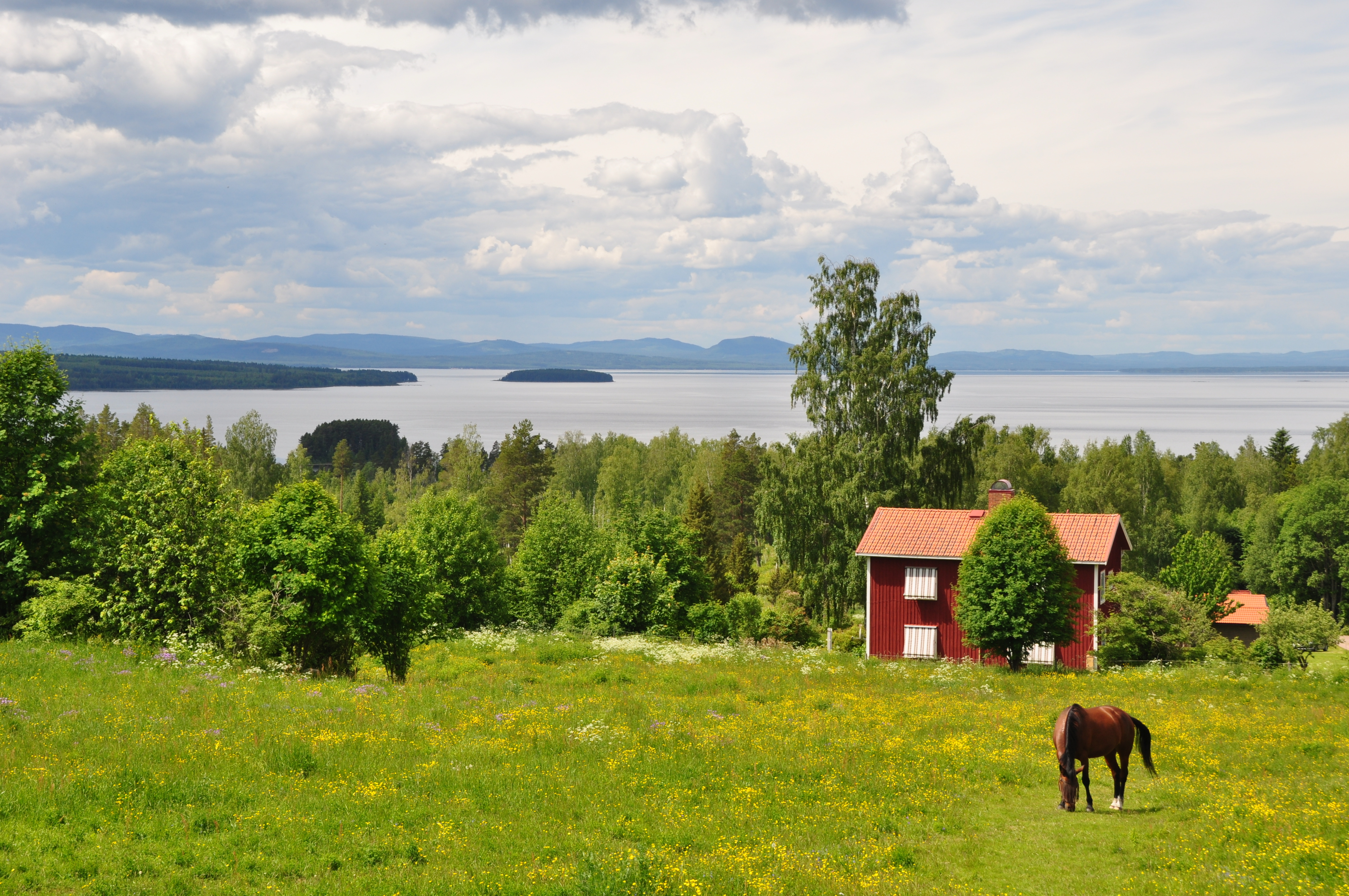
Lake Siljan countryside

As we drove out of Stockholm’s metropolis, the country side quickly took over and the opportunities for picking wild flowers were everywhere. Road sides were dotted with people collecting holiday bouquets, driveways were decorated with tin buckets of flowers or hanging bunches, and everyone donned a wreath of spring blooms: people, dogs, bikes, and even cars.
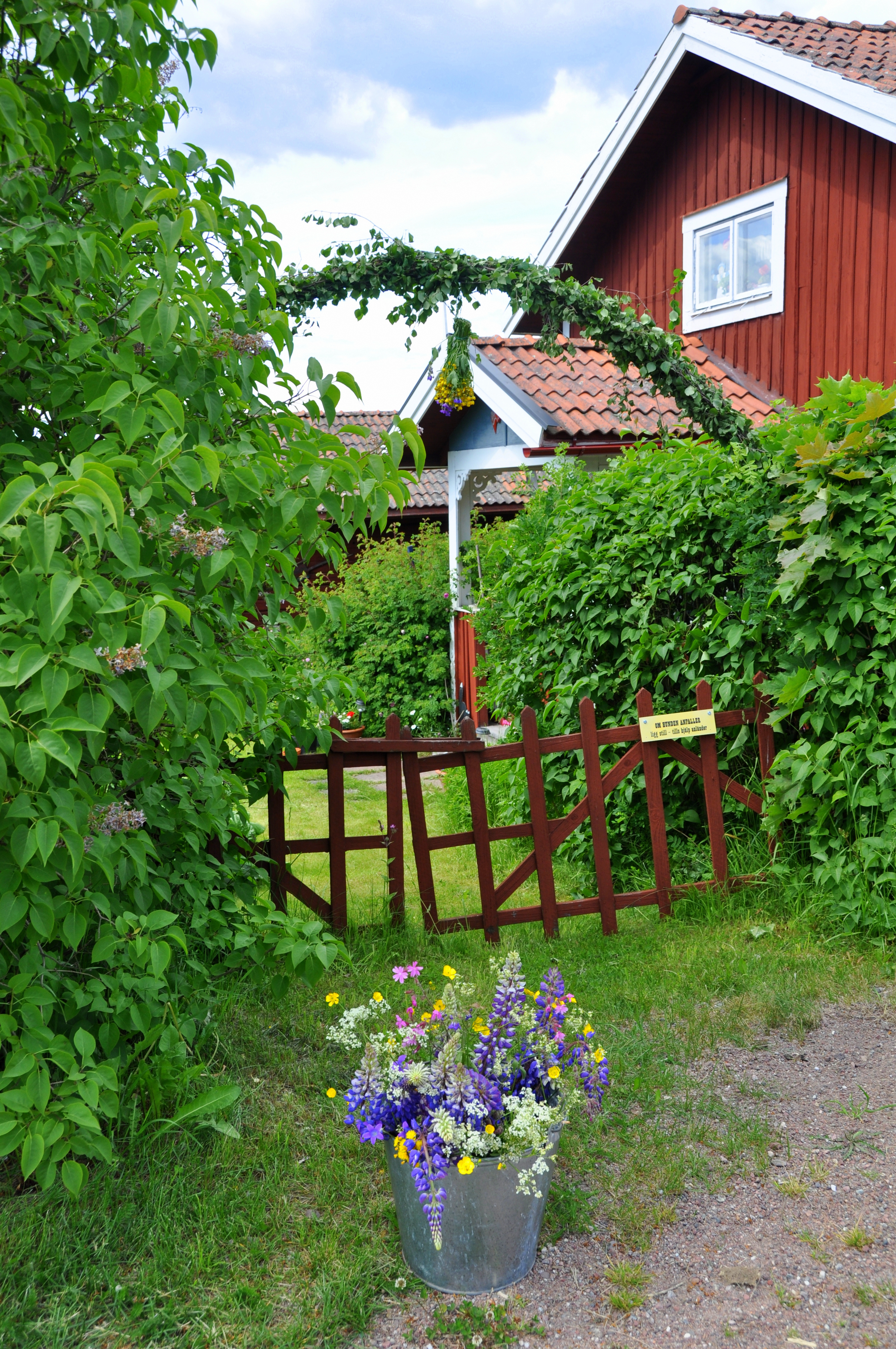
wildflower decorations

Having no idea what to expect, Joe and I chose three small towns around the lake and started our Midsummer Eve celebration. Each village was different and had something truly unique to share.

First was Rättvik. We almost left this celebration, upon realizing that it was occurring in the middle of a trailer/camping park. The revelers turned out in droves though, and soon we were shoulder to shoulder with the locals, enjoying the activities. The Maypole lay in the middle of a grassy area, at the center of the camp, right next to a huge pile of branches and flowers. After the Master of Ceremonies tied on the first greenery, everyone got involved.
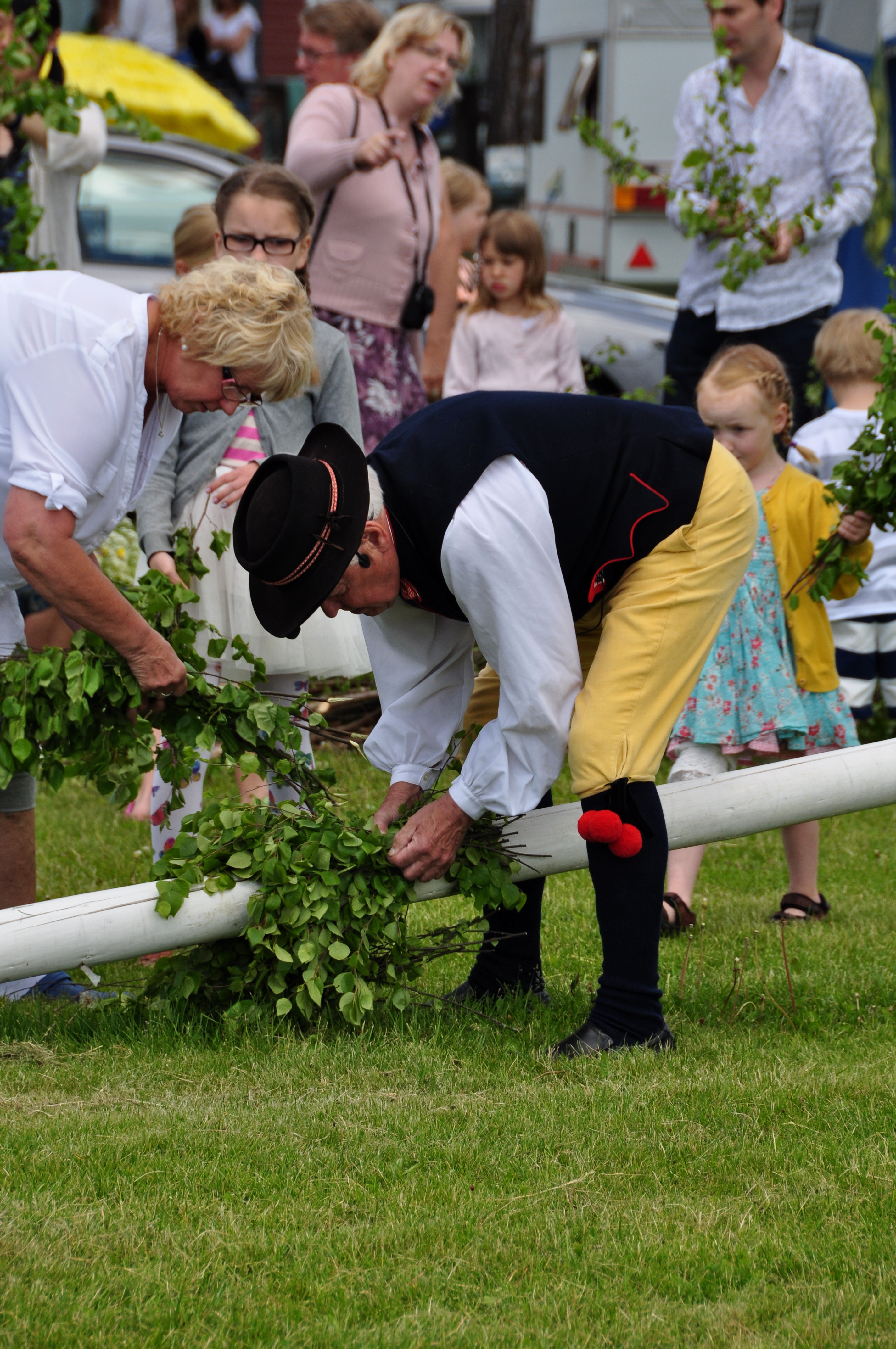
Swedish Master of Ceremonies ties on the first greens
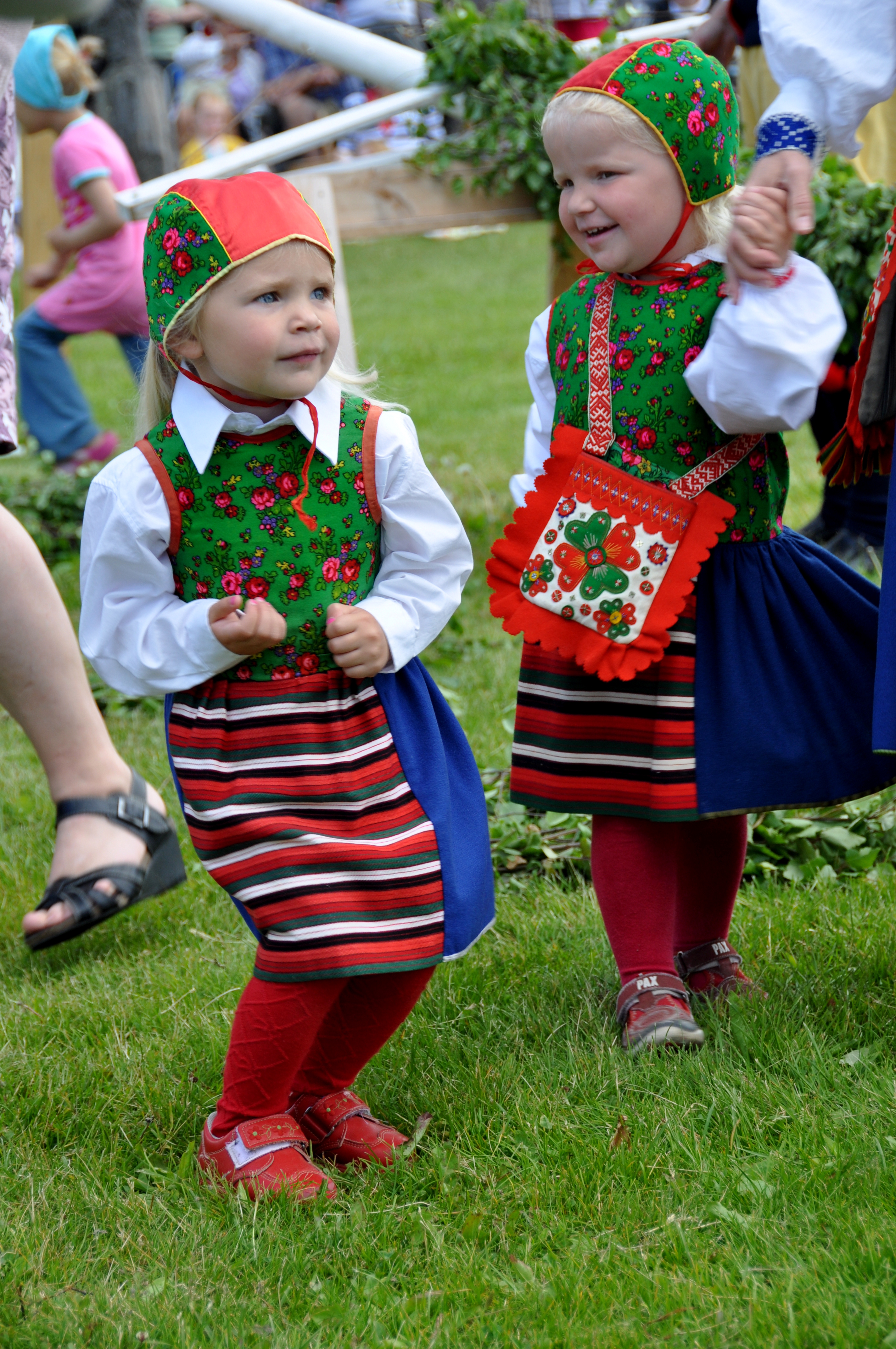
 

Malm girls in a previous life?

Once covered in greens, the raising process began! In order to lift the pole higher than their shoulders, the men used sets of long sticks, tied together at the end and propped against the ground. The MC directed this process, yelling for everyone to heave, and then stop, and then rearrange the sticks to prepare for the next heave. This process took less than 5 minutes, and was greeted with three celebratory hoots upon completion.
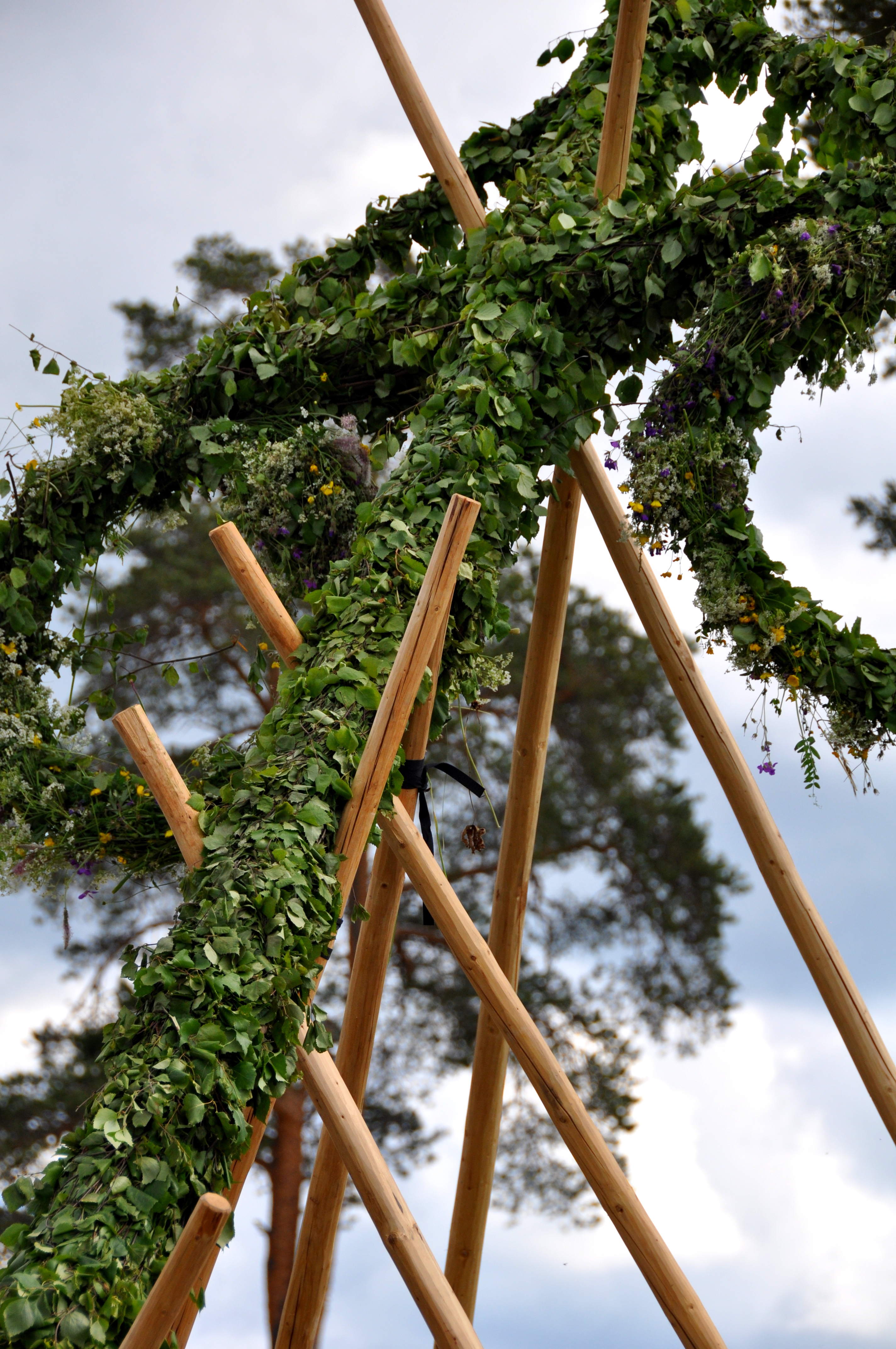
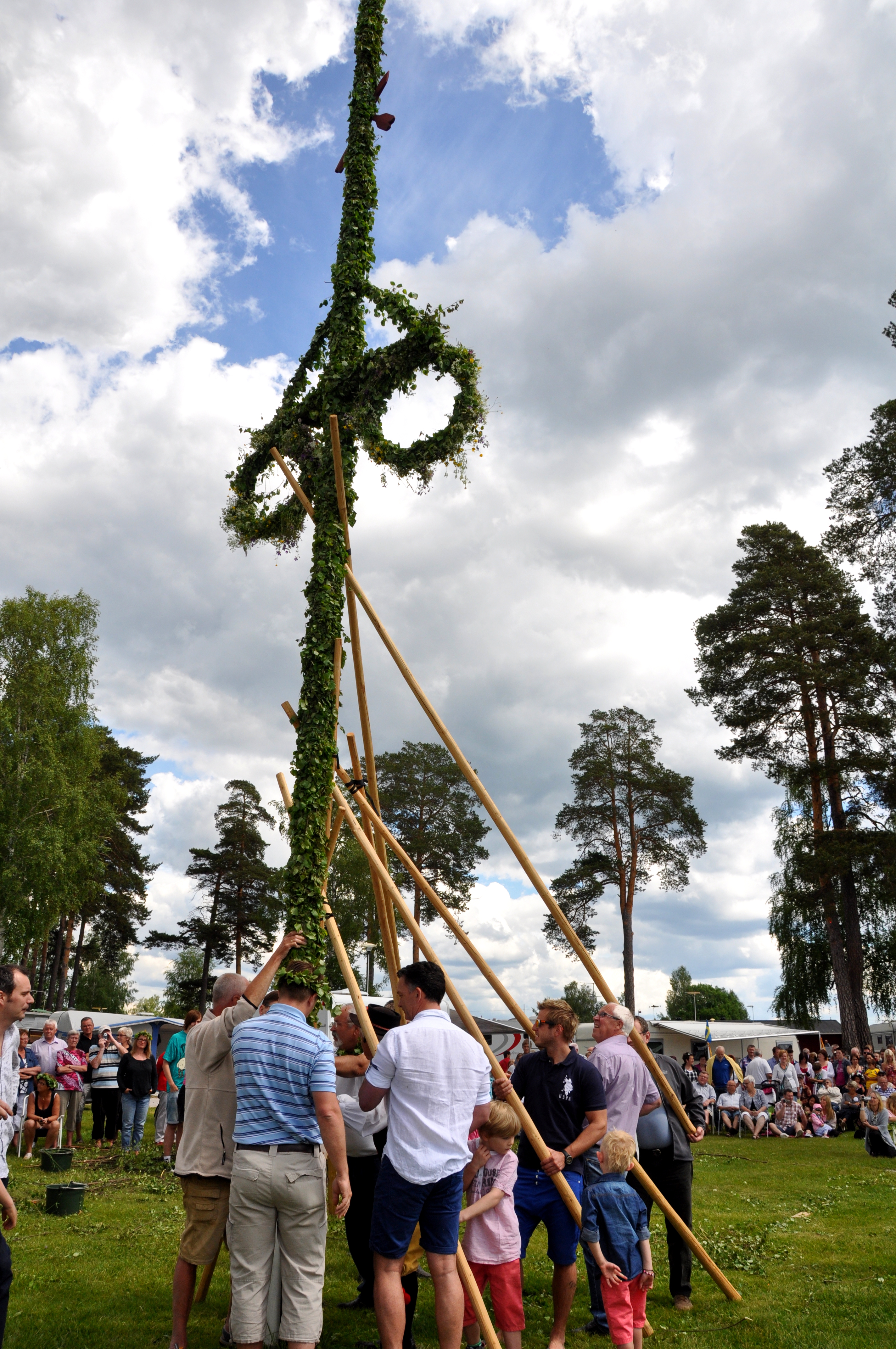
 

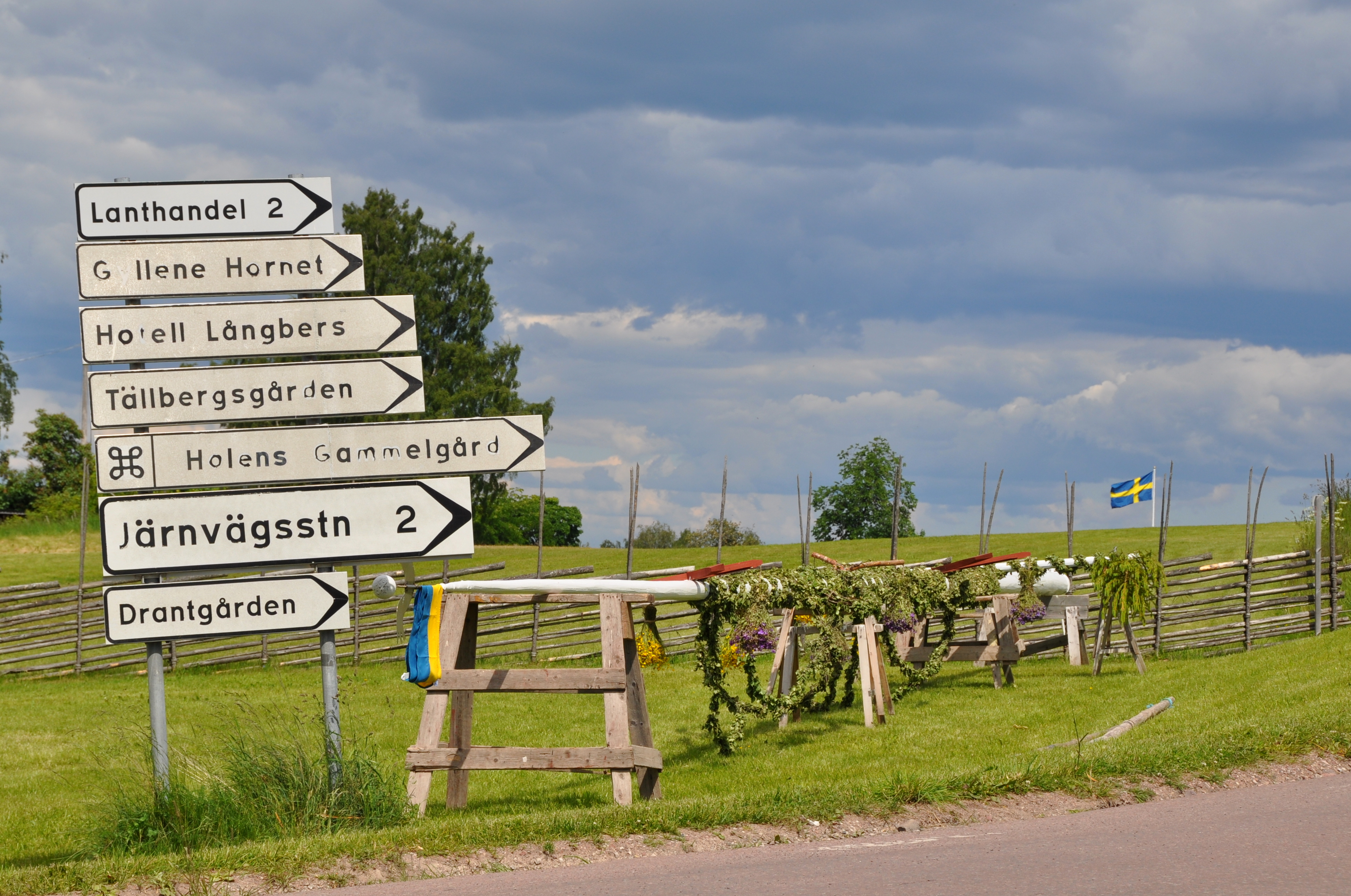
Next was Tällberg. As we drove deeper into the countryside, we saw numerous Maypoles, quietly laying in any open space, waiting for their own special moment.
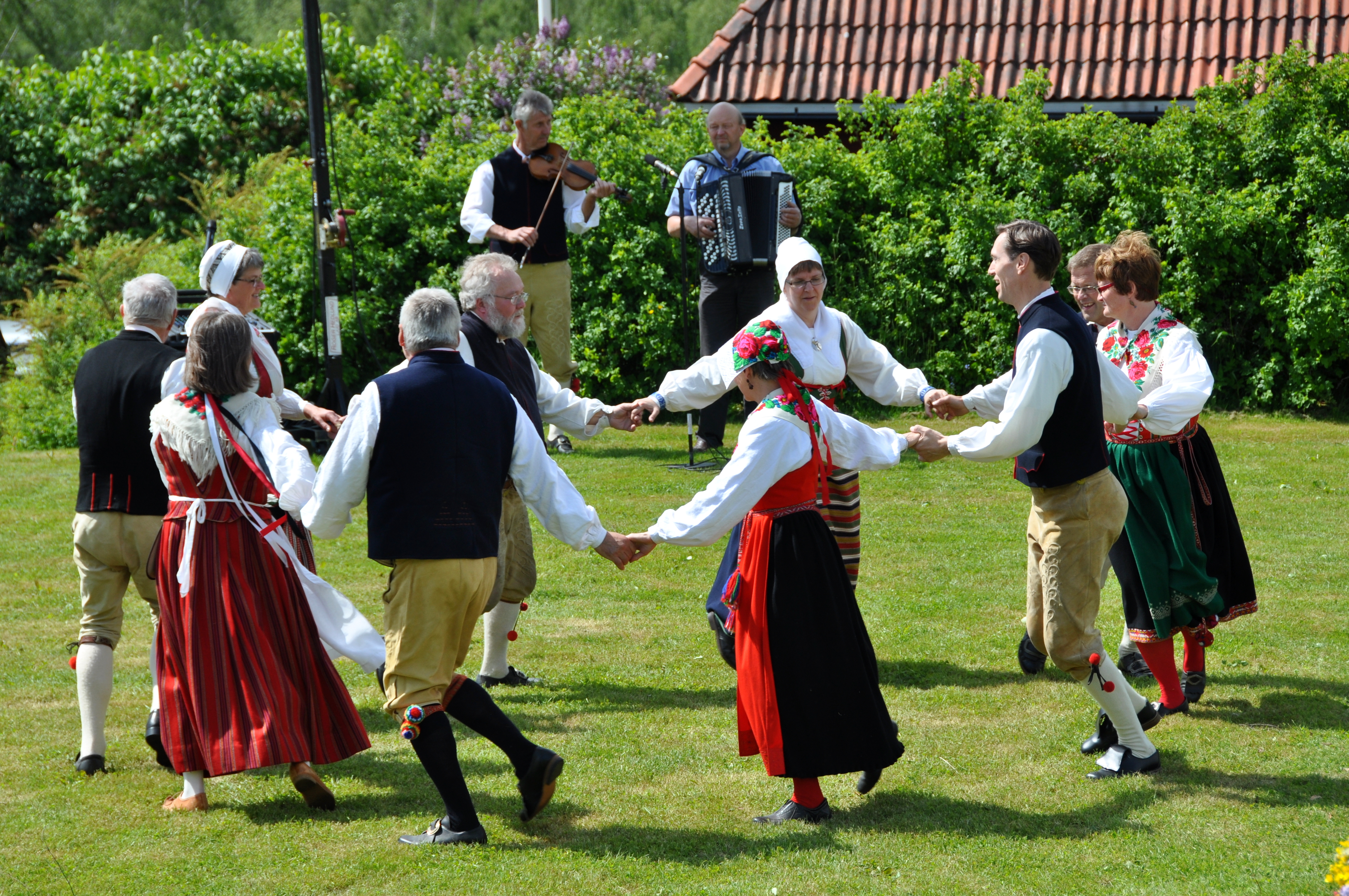
Traditional songs and dances kicked off the festivities in Tällberg. This Maypole was even bigger than in Rättvik, and a collective gasp was heard as it nearly tipped over before being secured in its cement fastening.
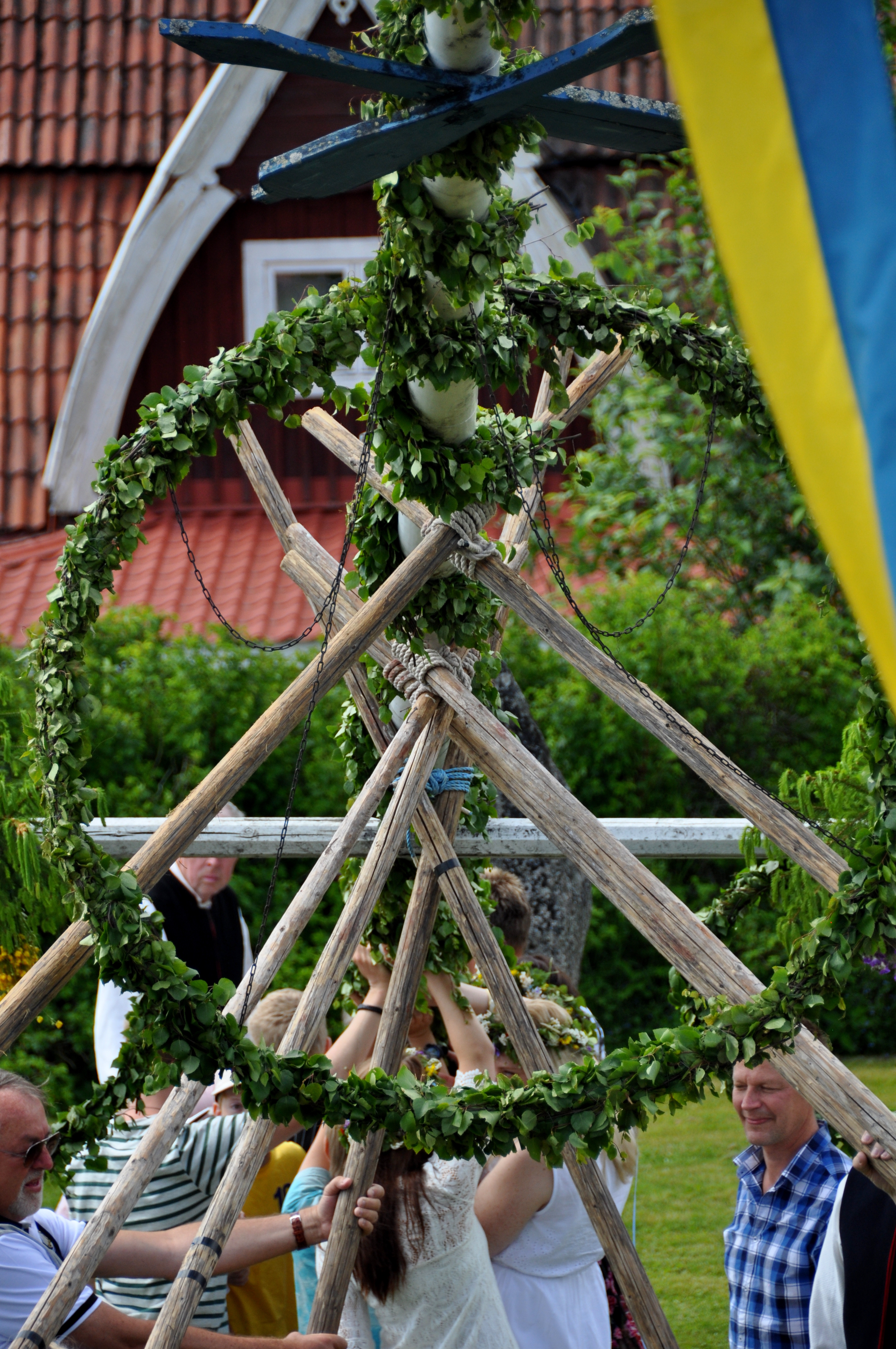
top of the Maypole in Tallberg

After the Maypole was raised, everyone circled the base, singing and dancing. It was really amazing to us, that everyone knew the words to every song and the moves for every dance. It was a fun and joyful display of genuine culture and tradition, passed on from generation to generation. Walking back to the car, we struggled to identify anything like this in American culture. The Macarena? Electric Slide? The Chicken Dance?
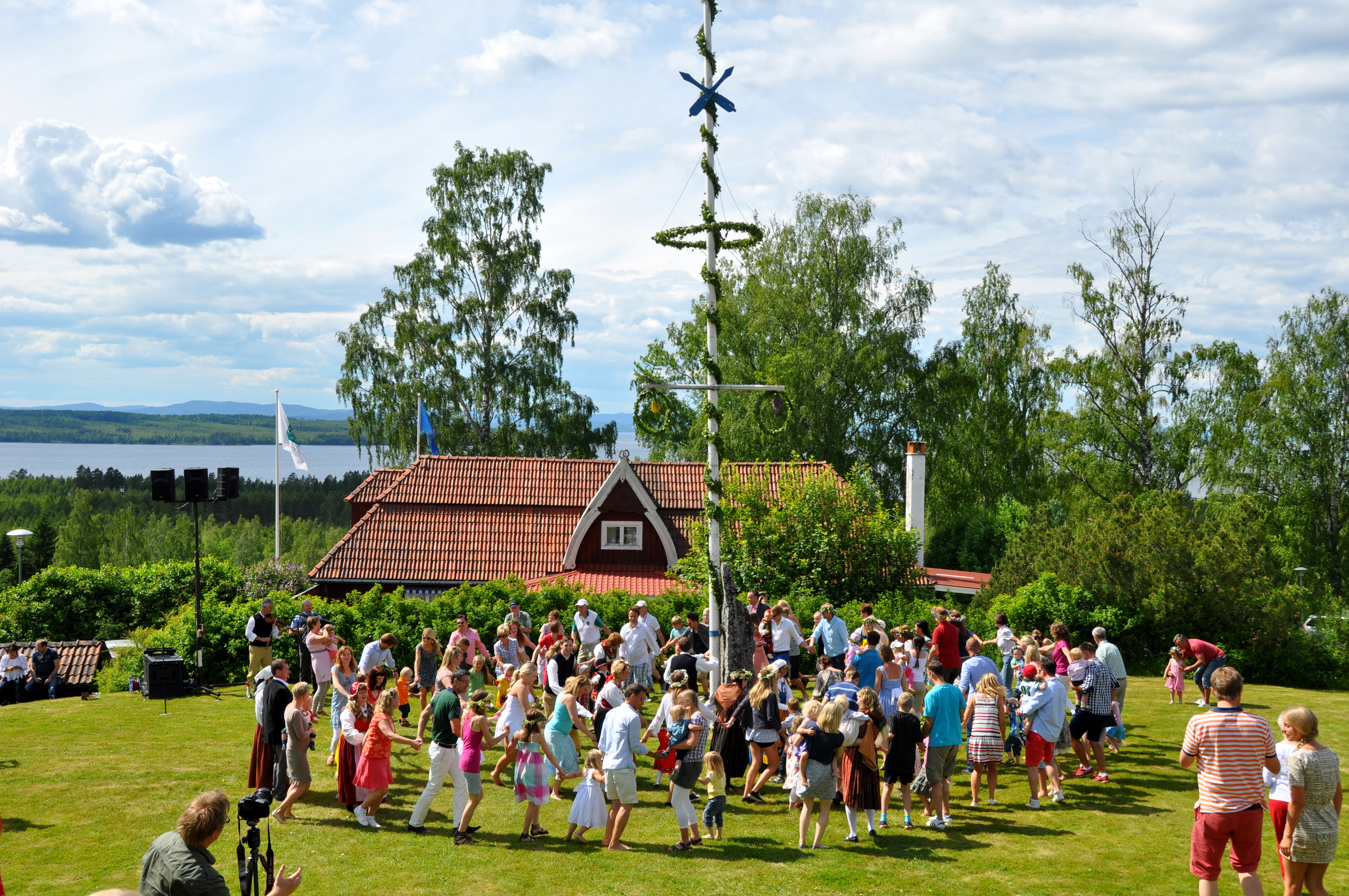
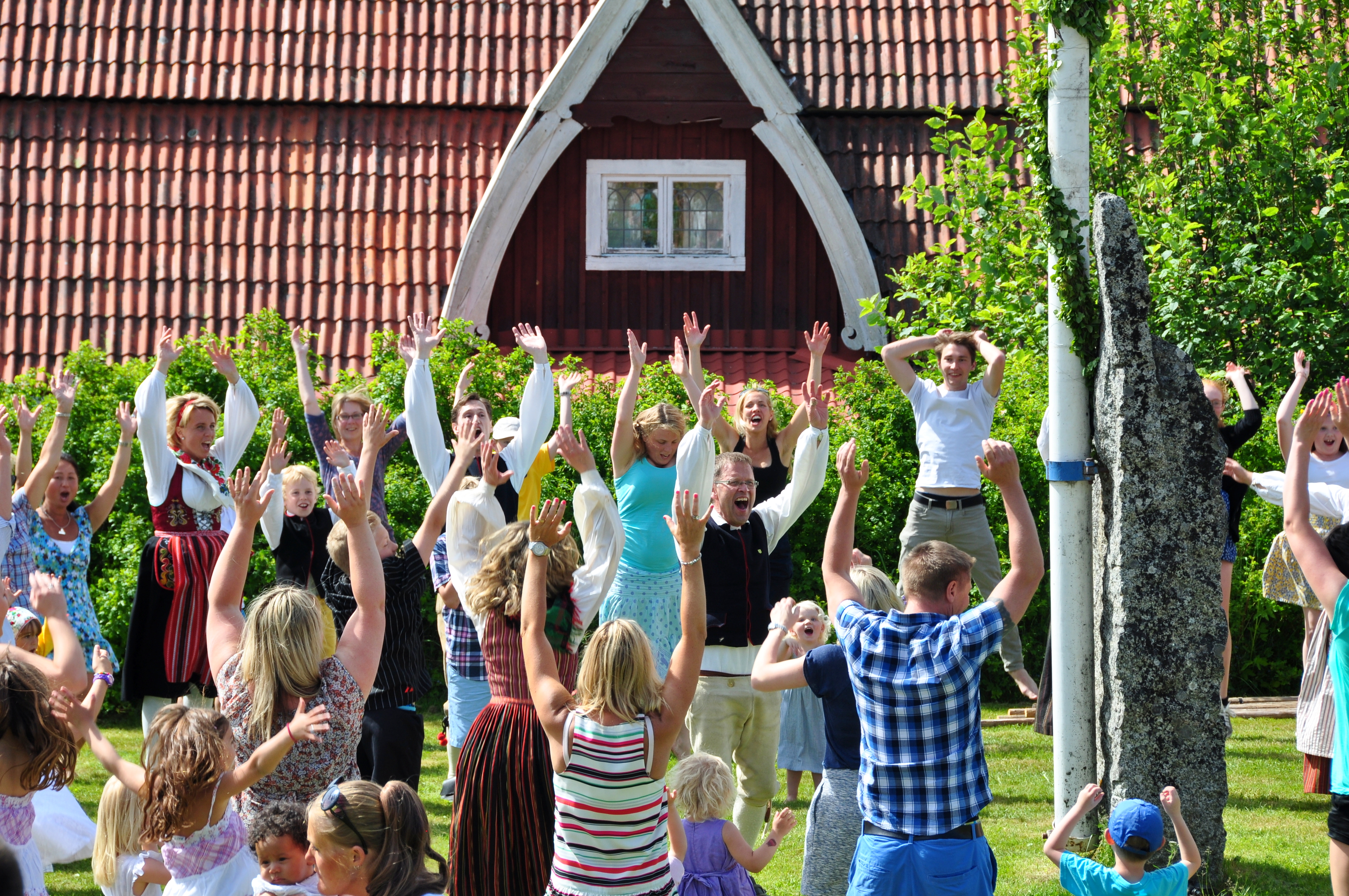
I love the guy in the back, on the right, who not only threw his arms up with a great "Yippee", but also jumped into the air!


We spent the evening in Leksand, the largest Midsummer celebration around the lake. Back in the day, the residents of Leksand used boats to get across the lake in order to attend church. Today, they are fondly called “church boats” and are a critical part of the Midsummer traditions in this town. First, the boats came down the river, carrying the singers, dancers, and musicians for the celebration, as well as the decorations for the Maypole.
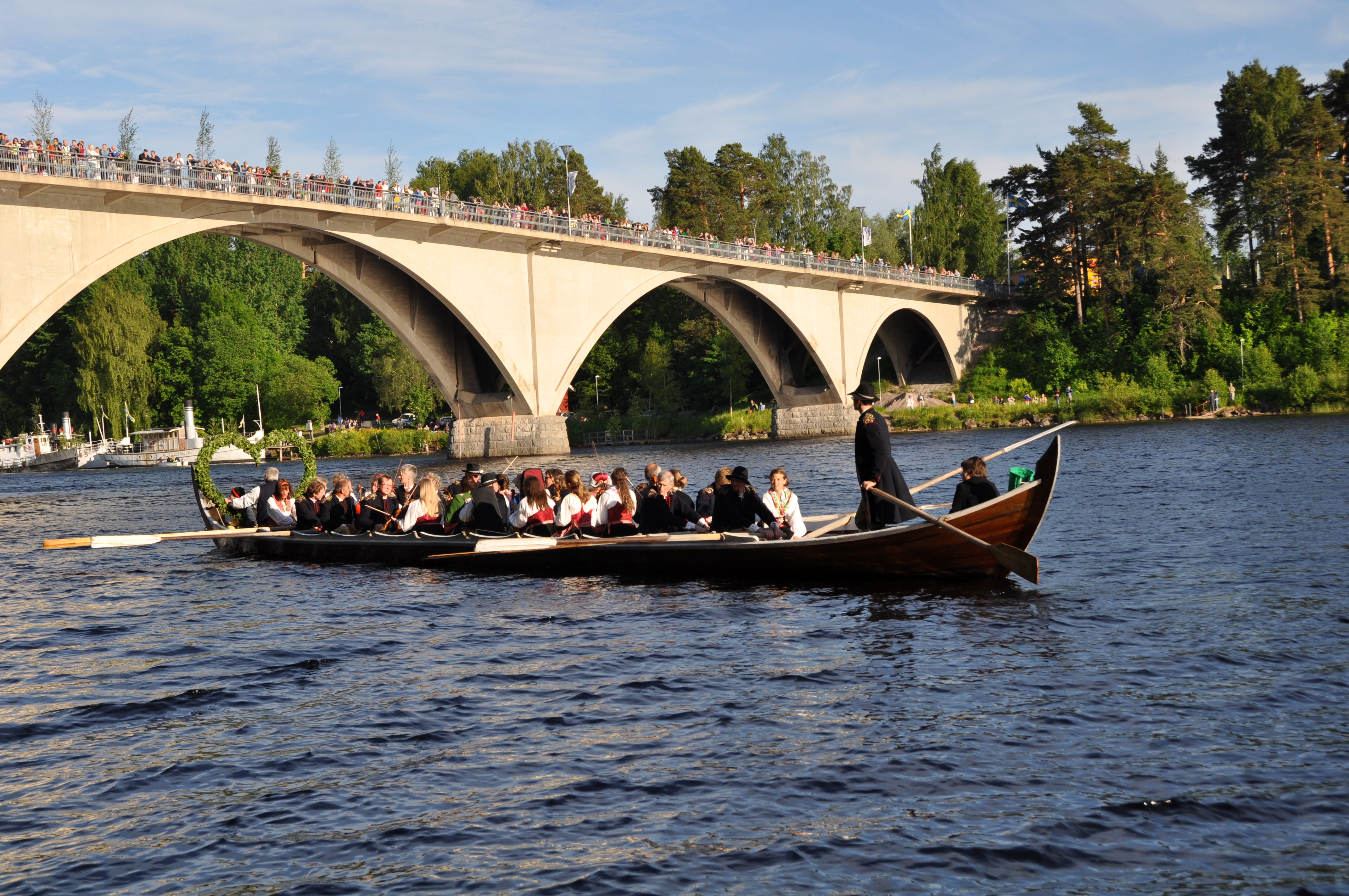
Spectators either lined the riverside, like us, or watched from the top of the bridge.
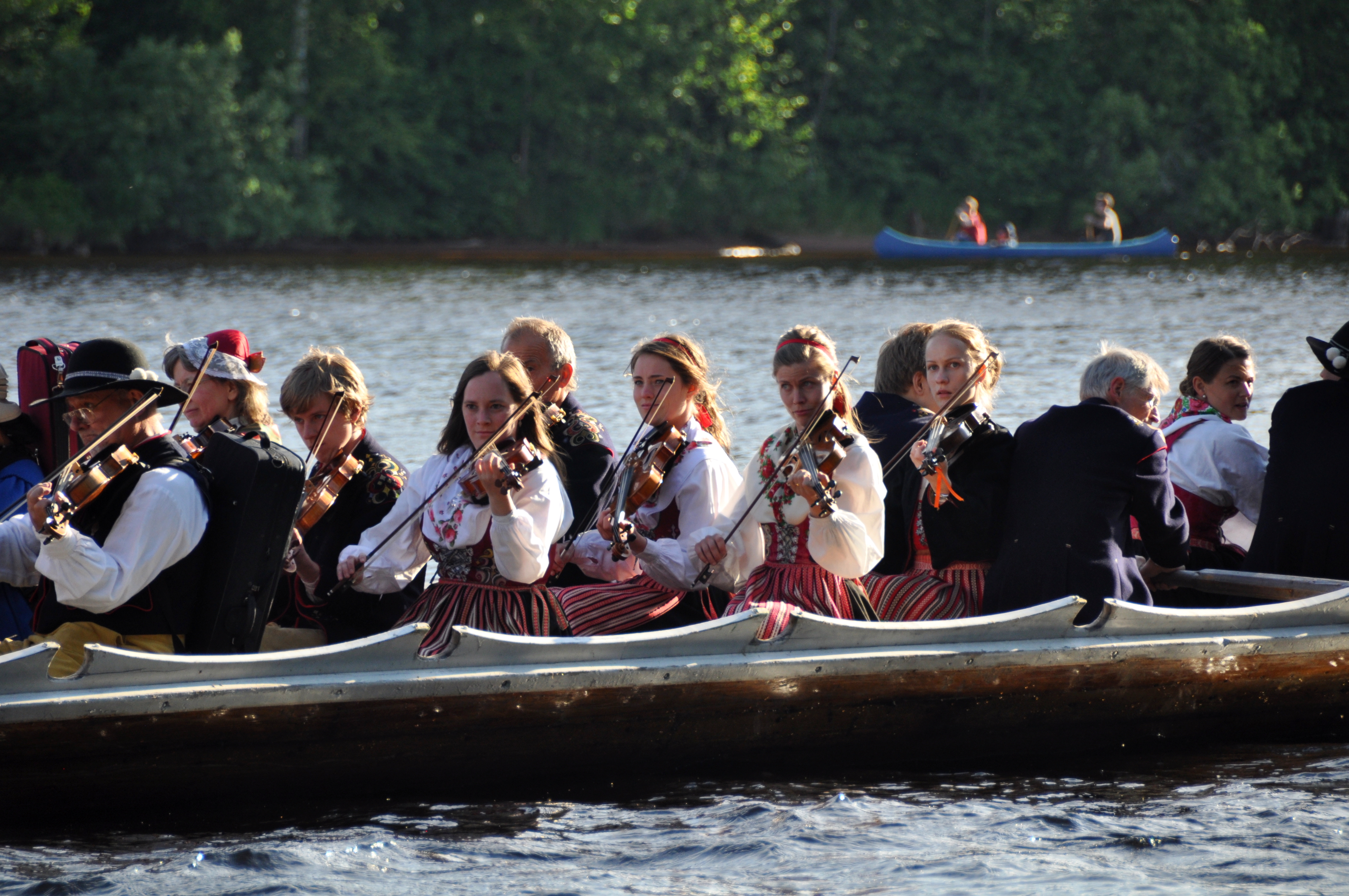
 

Along with 20,000 other people, we then walked from the river to the park, the location of the Midsummer celebration. All of the participants in the boats led a parade to the waiting Maypole.
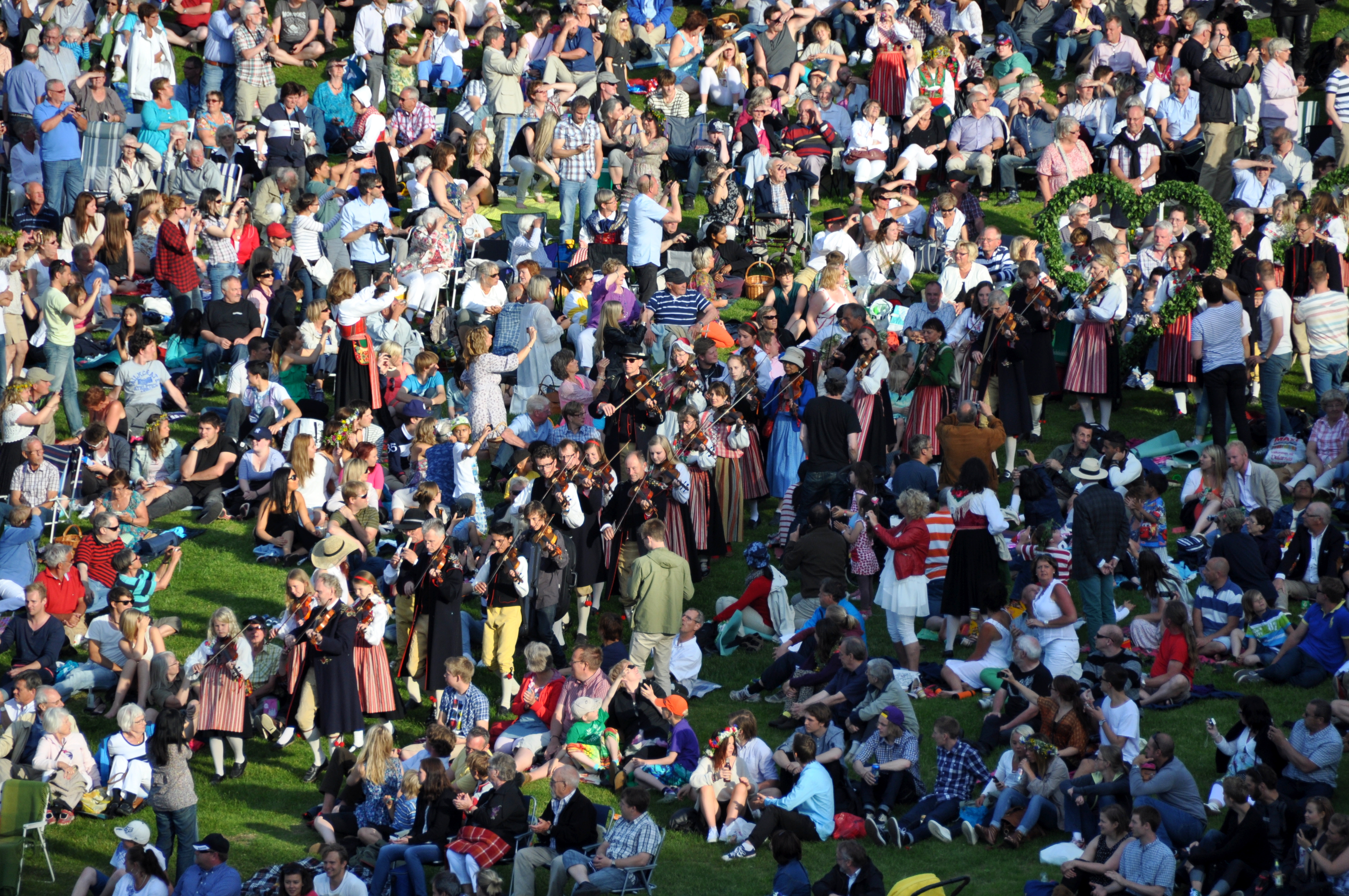
Hard to tell the parade from the crowd

Joe estimated this Maypole to be over 150 feet long! The raising process took more than an hour! The entire crowd would yell as the pole slowly…very slowly…inched its way toward 90o.
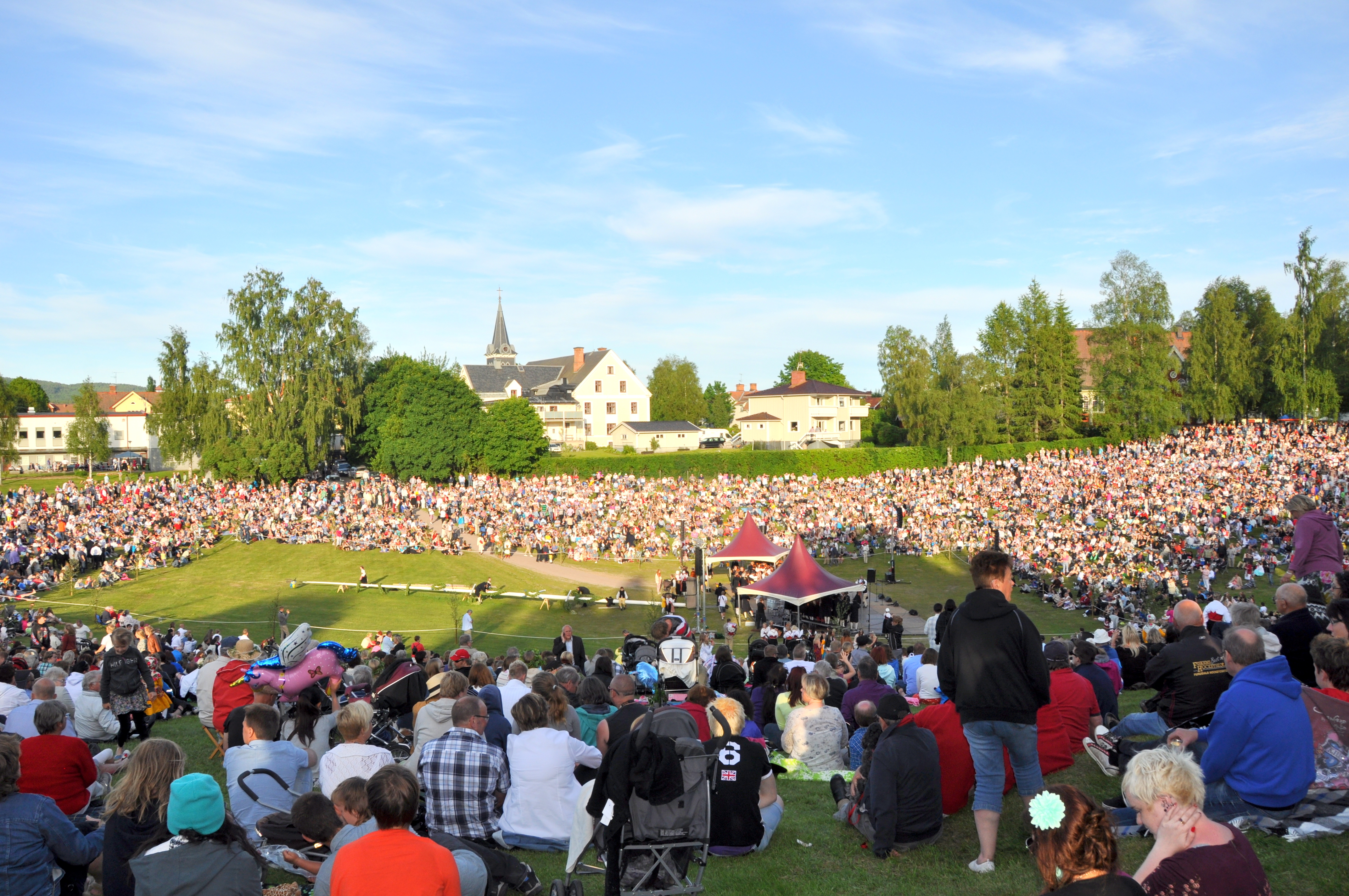
You and 20,000 of your best friends waiting for the Maypole.
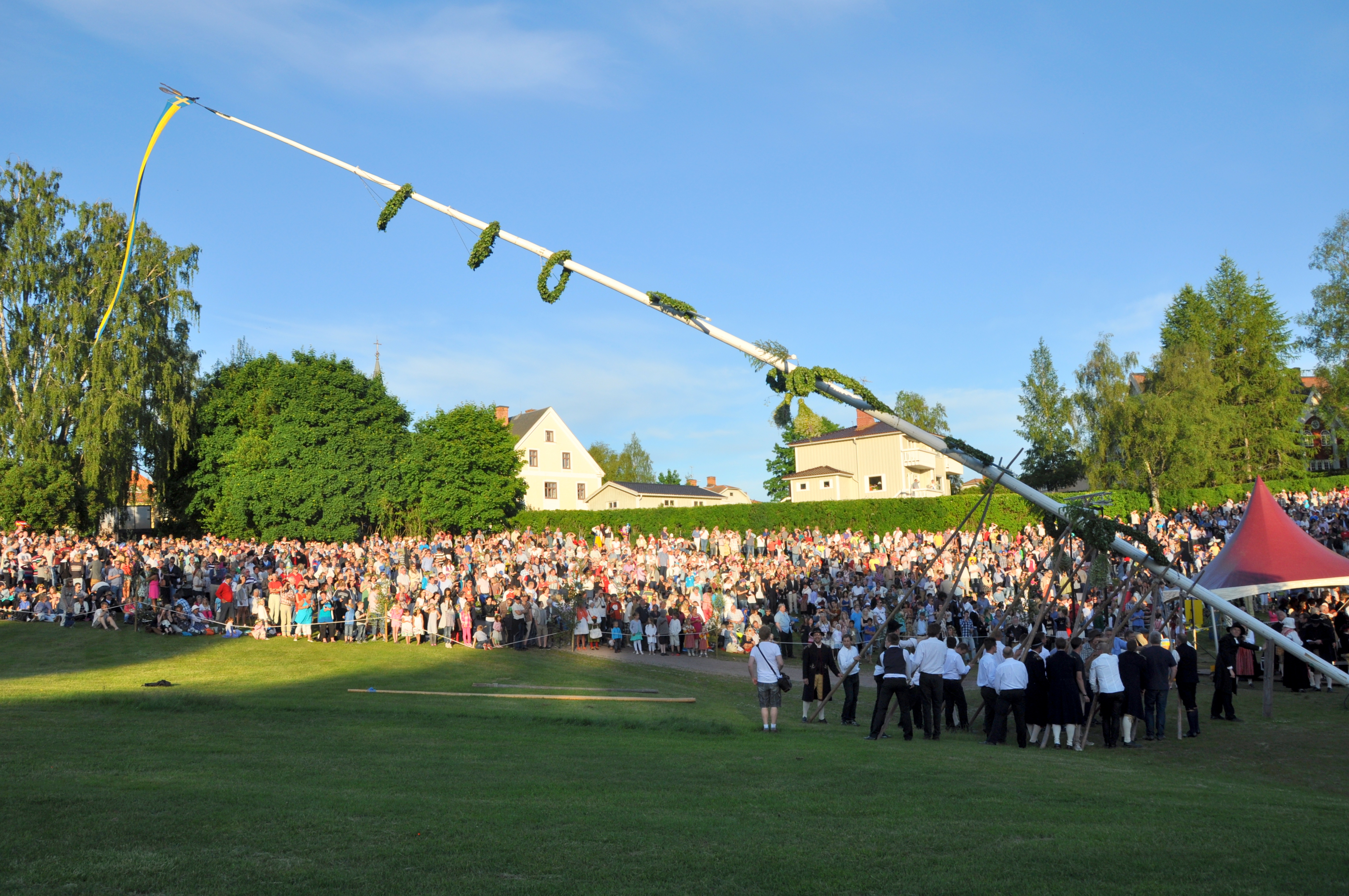
 

About 30 minutes into the process.
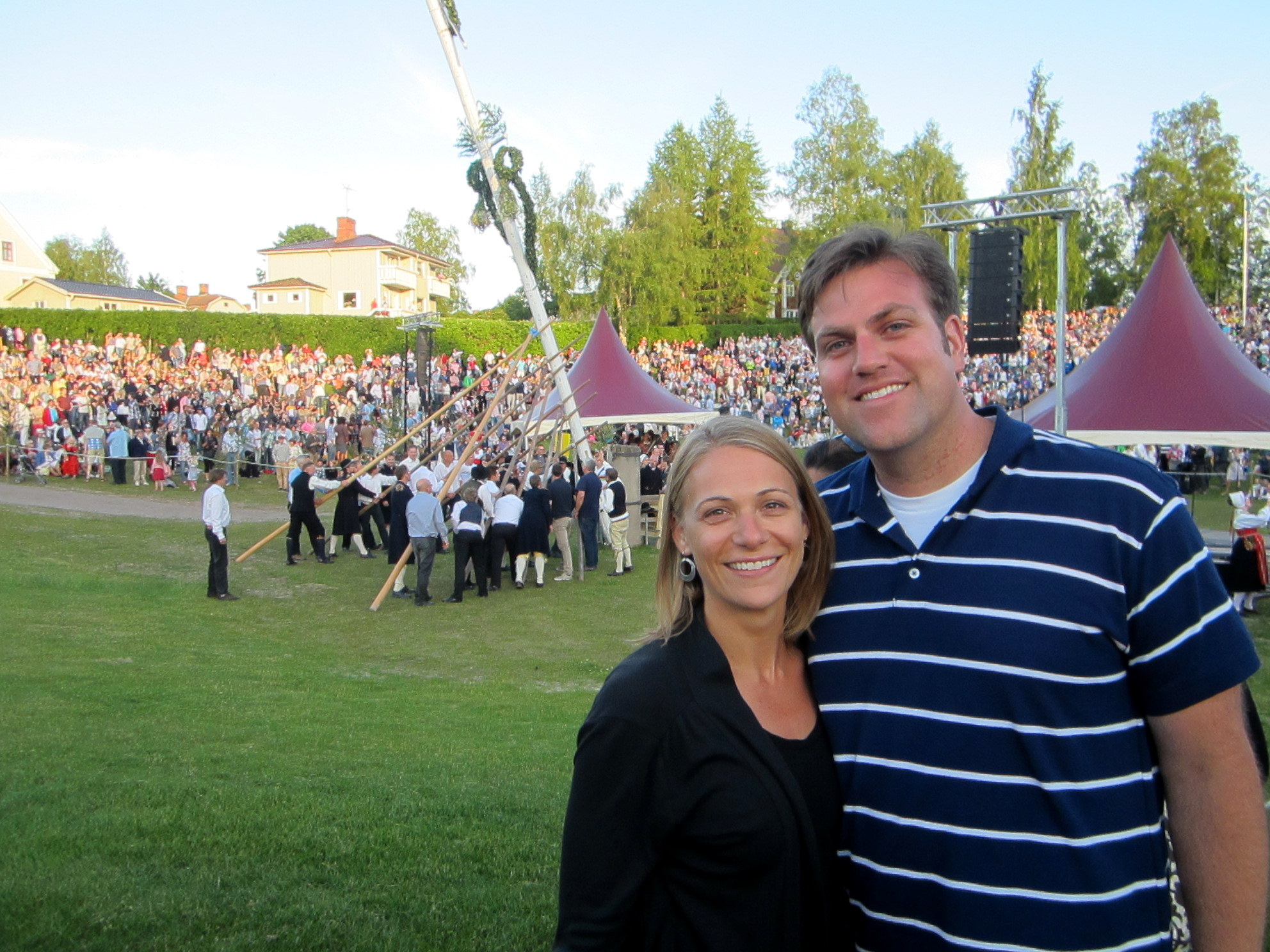
 

Working hard or hardly working?

Once the Maypole was vertical, the ropes were quickly removed and the area was flooded with celebrants, clutching hands and getting ready to dance around Sweden’s symbol of summer. As the crowd started to circle, if you didn’t move fast enough, you were either trampled, or swept into the dance. We opted to dance!
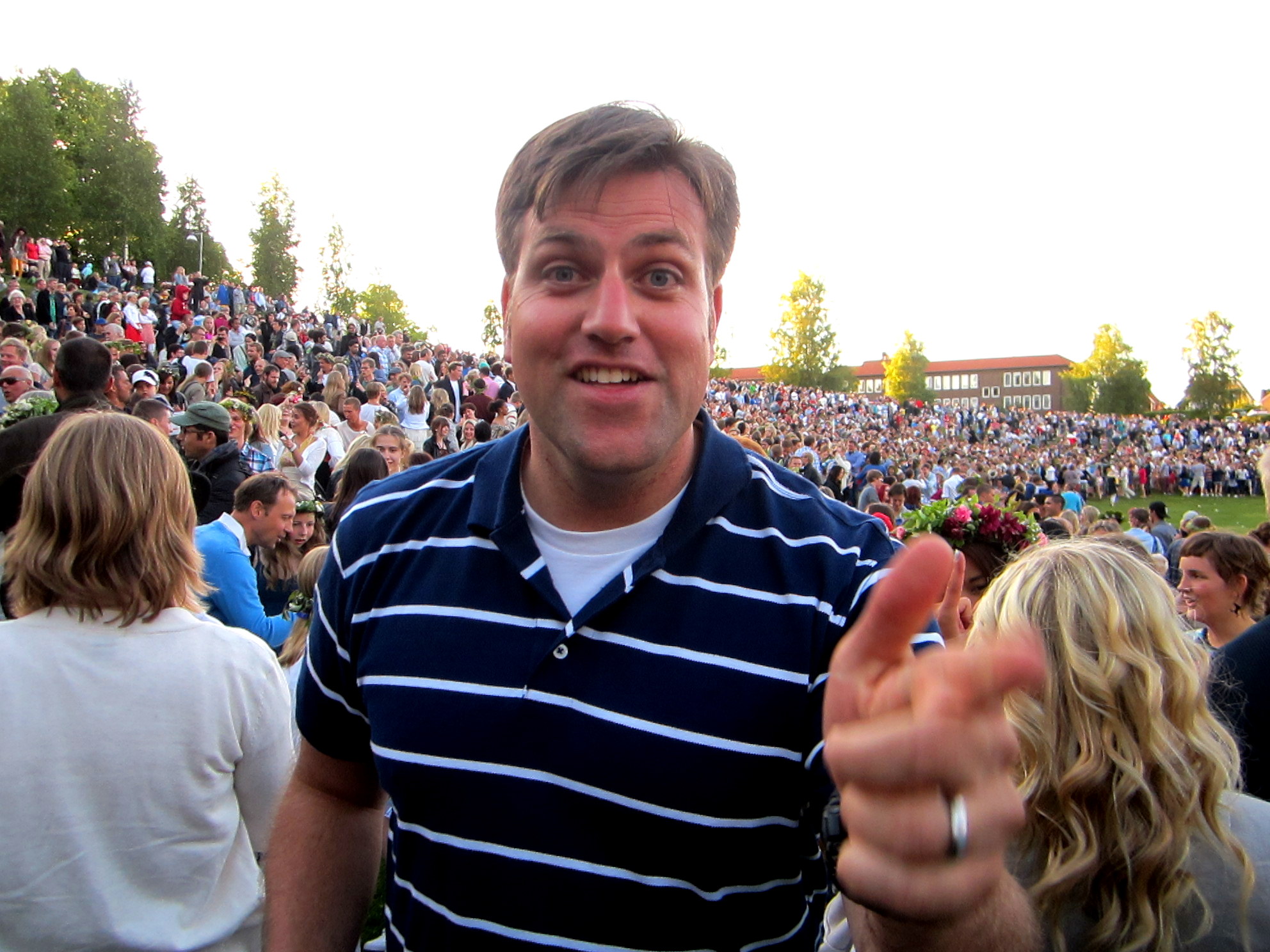
Joe doing the "point your finger at your partner and shake it in disapproval" dance.
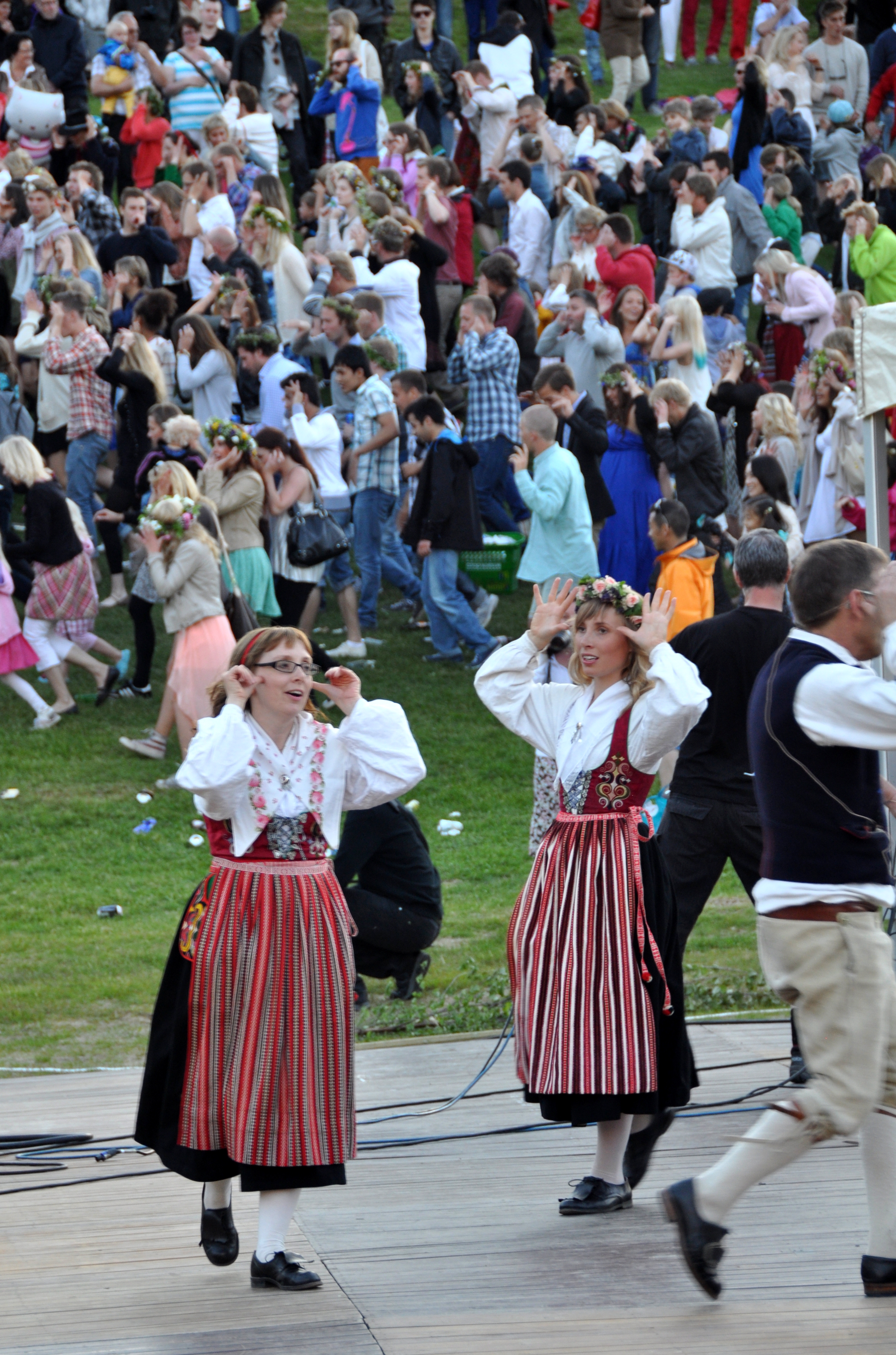
 

I think this is the "put your hands near your head and pretend you are a moose" dance.


After all the festivities, we enjoyed a glass of wine overlooking the lake and contemplated just how long the sun would stay up. She must be married, because we retired before she did!

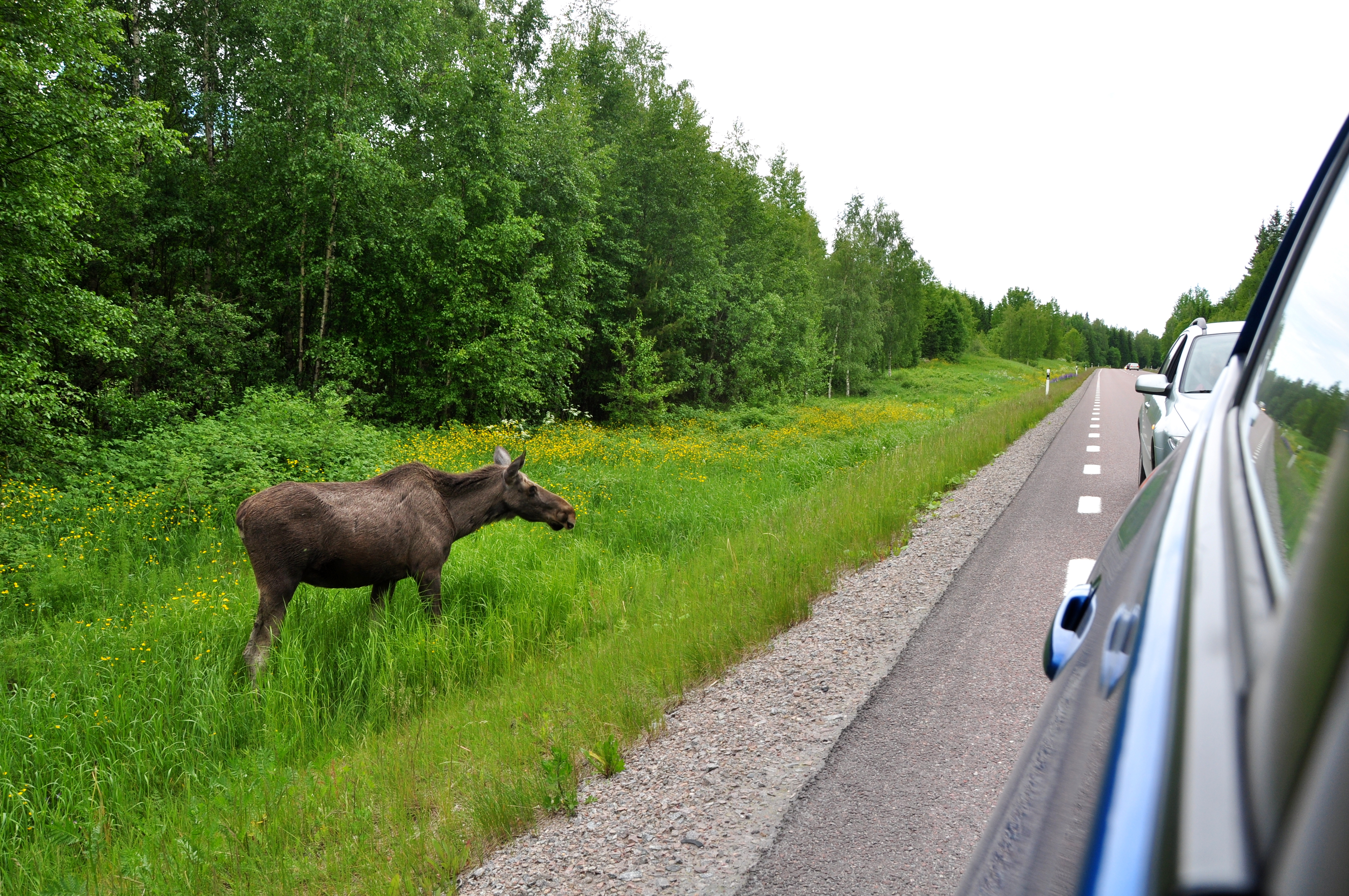
On Midsummer Day we headed back south to spend the day in Sandviken. Even though I am the Swede in the marriage, Joe was the one to connect with family members who lived in Sweden. On the way, we spotted Sweden’s favorite four-legged animal along the roadside! Despite being relatively young, he was still bigger than a horse. I have been waiting for years to see a wild moose! I knew the Motherland would come through. I dreamt of this guy last night…whilst slumbering atop my wildflowers.
 

Stockholm, Sweden

Joe and I kicked off our Scandinavian adventure in Sweden – my Motherland!  We spent two days enjoying Stockholm, which is composed of somewhere around 24,000 islands. I picked out only two specific activities to share here, which were our favorites.

The Vasa – Our favorite part of Stockholm was actually someone else’s tragic mistake.

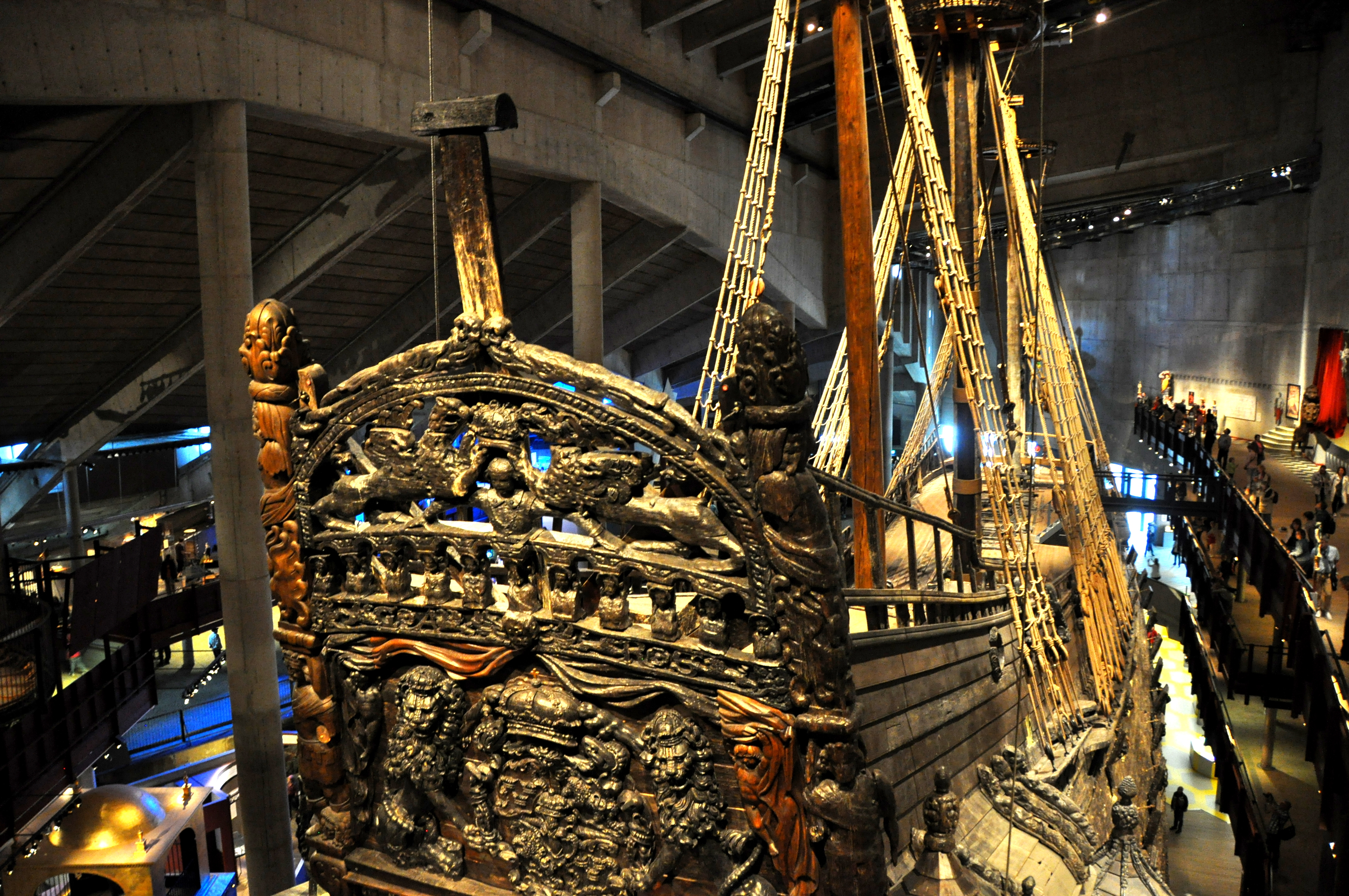
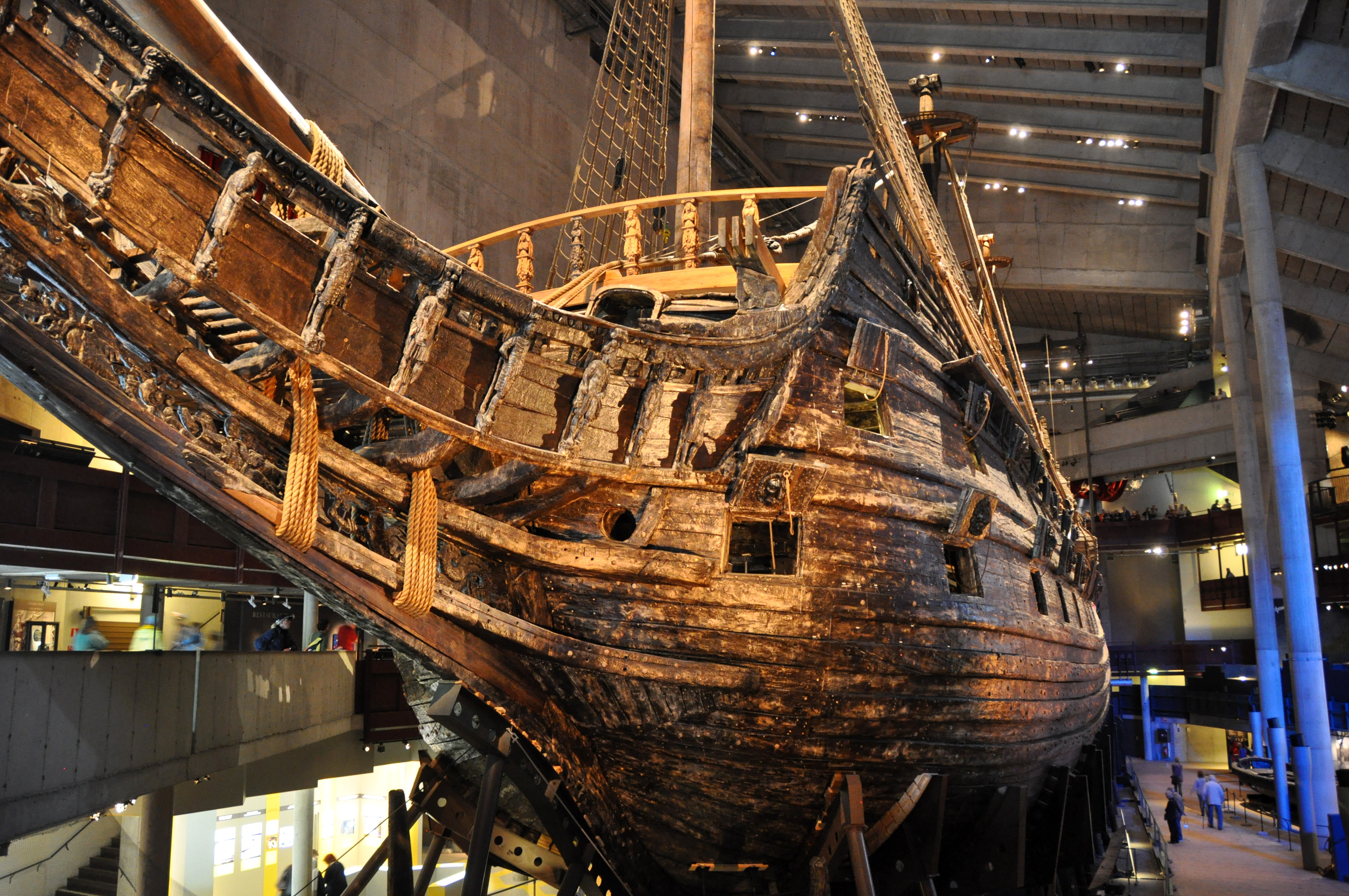
Built by King Gustav Adolf and intended to be a show piece for the Swedish Navy, the Vasa set sail for her maiden voyage on August 10, 1628 and sunk 20 minutes later within the Stockholm harbor. Apparently the weighting of the ballast didn’t offset the three huge masts and the ship slowly listed until it foundered and met a watery grave.

The Vasa

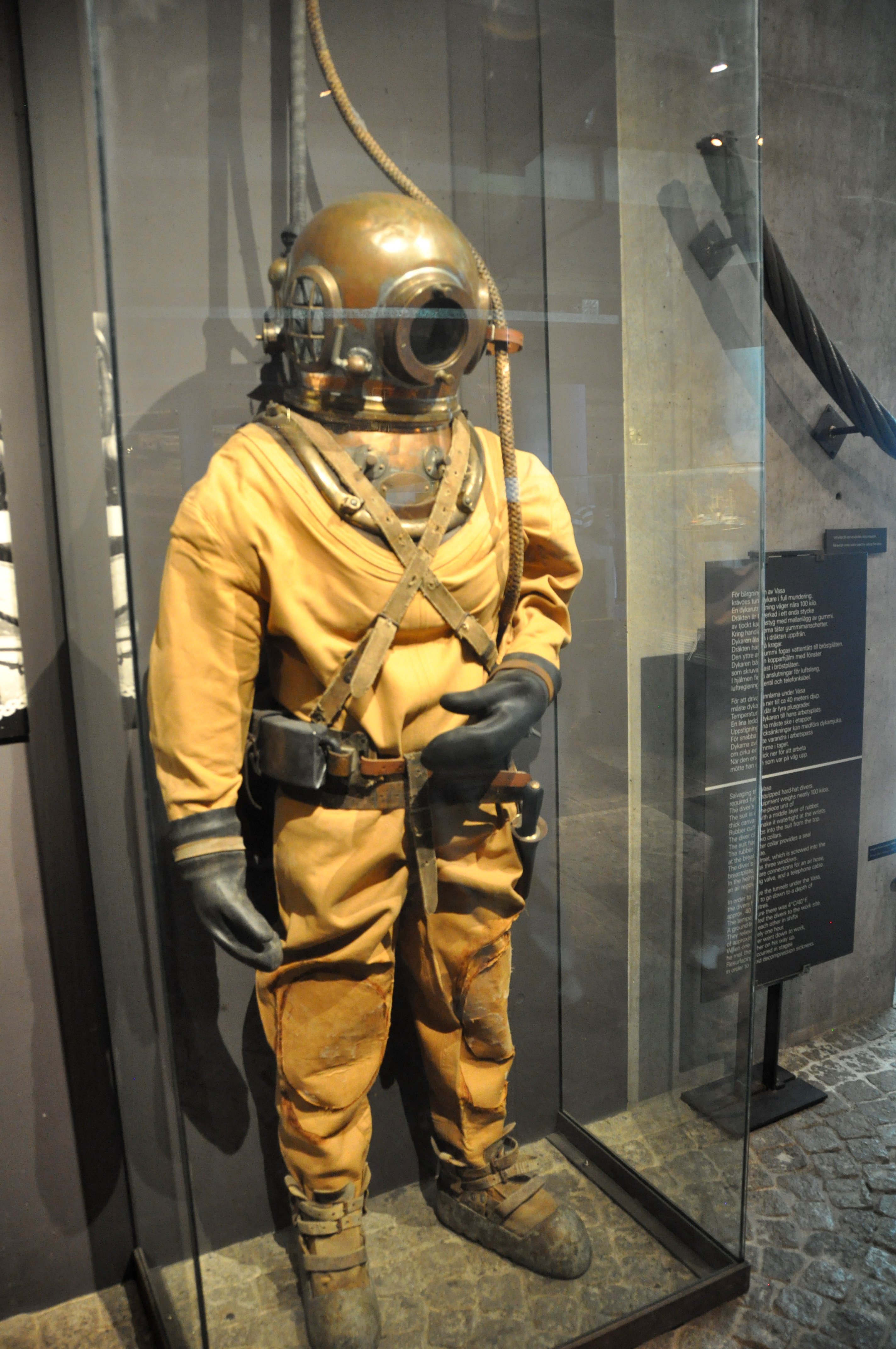
For 328 years, the Vasa lay silent in the cold, brackish waters of the Baltic- the key to her preservation. In 1956, the Vasa was discovered again and a slow, complicated process of raising her to the surface began. With an estimated weight of 700 tons, divers dug tunnels under the ship, thread cables through the tunnels, and then used hydraulic jacks mounted on pontoons on the surface to raise her 105 feet. Divers worked in one-hour shifts, using “the latest equipment”. The Vasa saw daylight again in 1961.

old school SCUBA gear

Preservation and restoration began and the Vasa was finally presented to the public in 1990, 44 years after being discovered! It is now the world’s oldest fully preserved warship, and it is unbelievable to see all the detail. It is rumored that Pirates of the Caribbean’s Flying Dutchman was modeled after it as well.

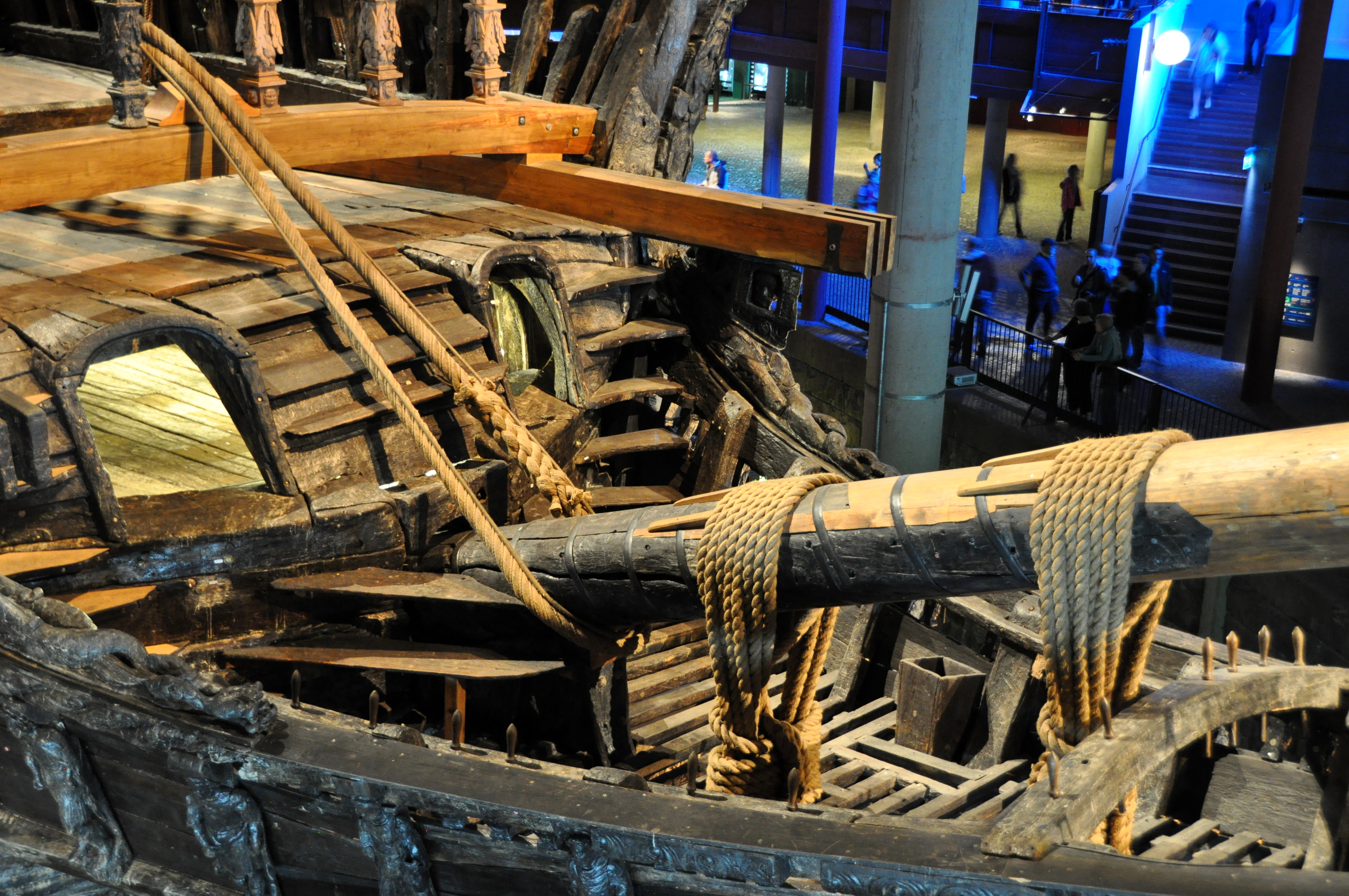
Even though the ship only held 100 sailors on her tragic journey, she was built to hold 400+. All of these men only had access to two latrines…if you even want to call them that.  A tongue-in-cheek sign inside the museum read: “The Beakhead was a dangerous place to be in rough weather.”  I’ll say!

The "latrine" is the small box in the lower right corner, between the two rope ties.


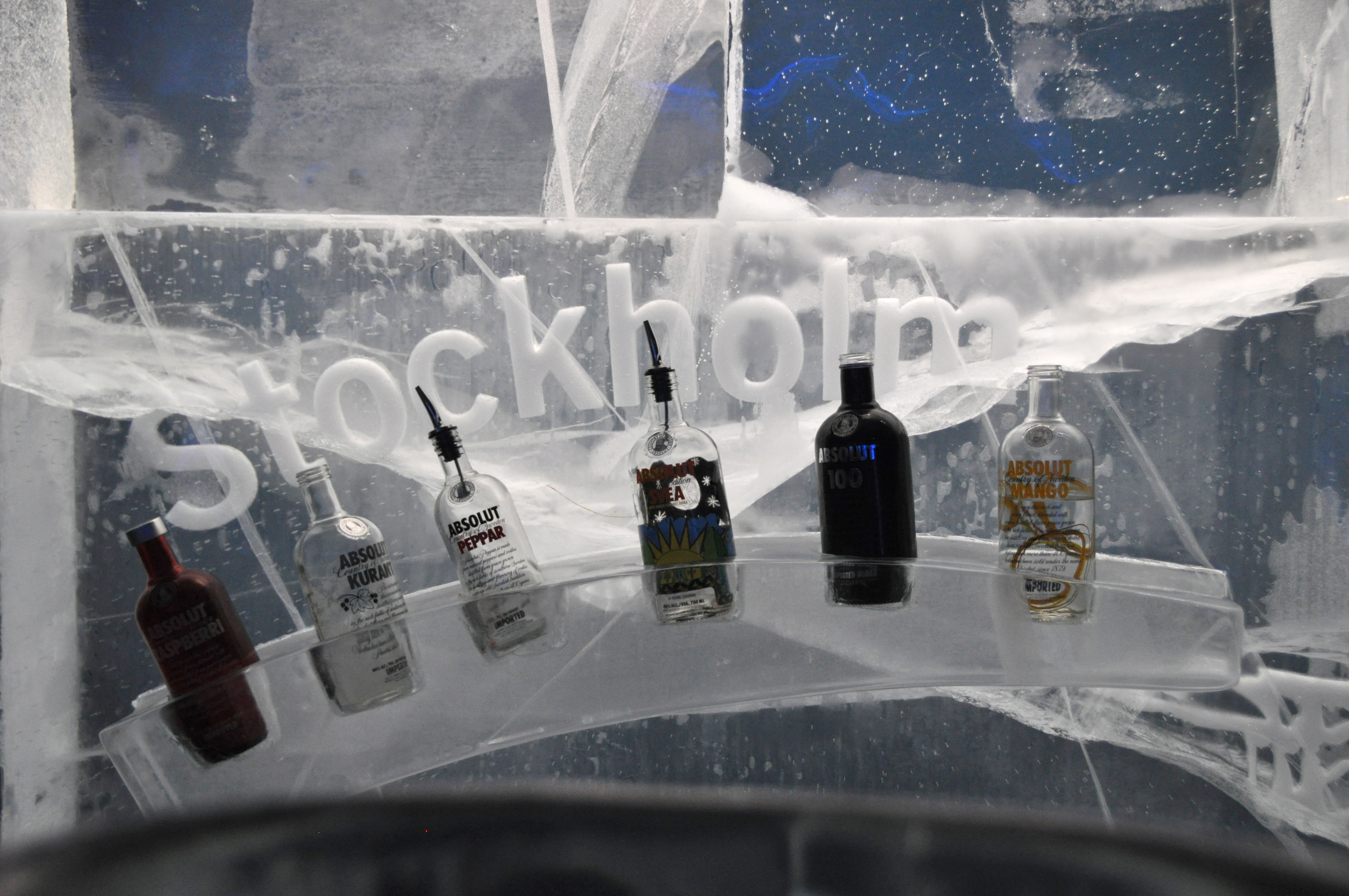
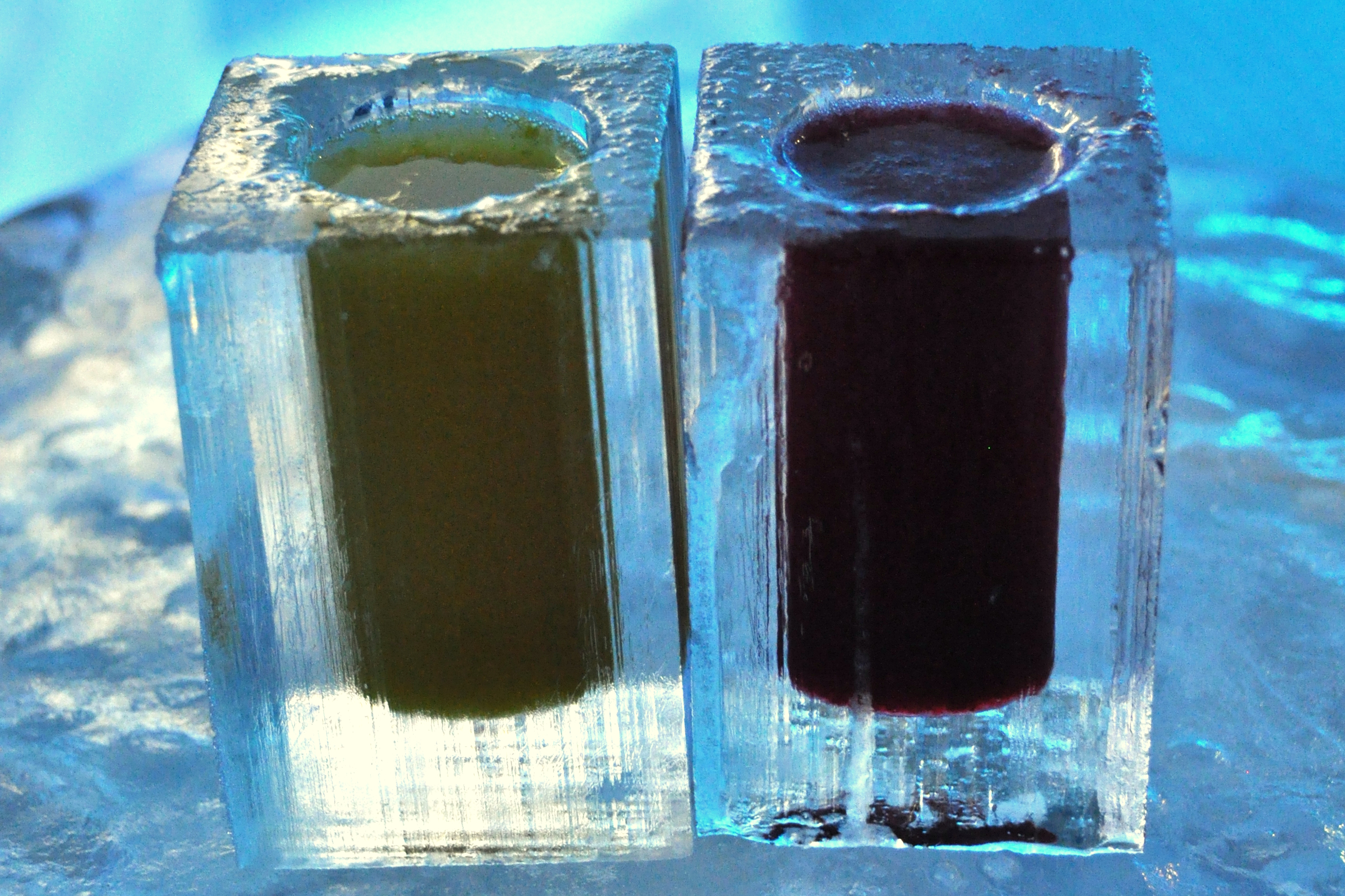
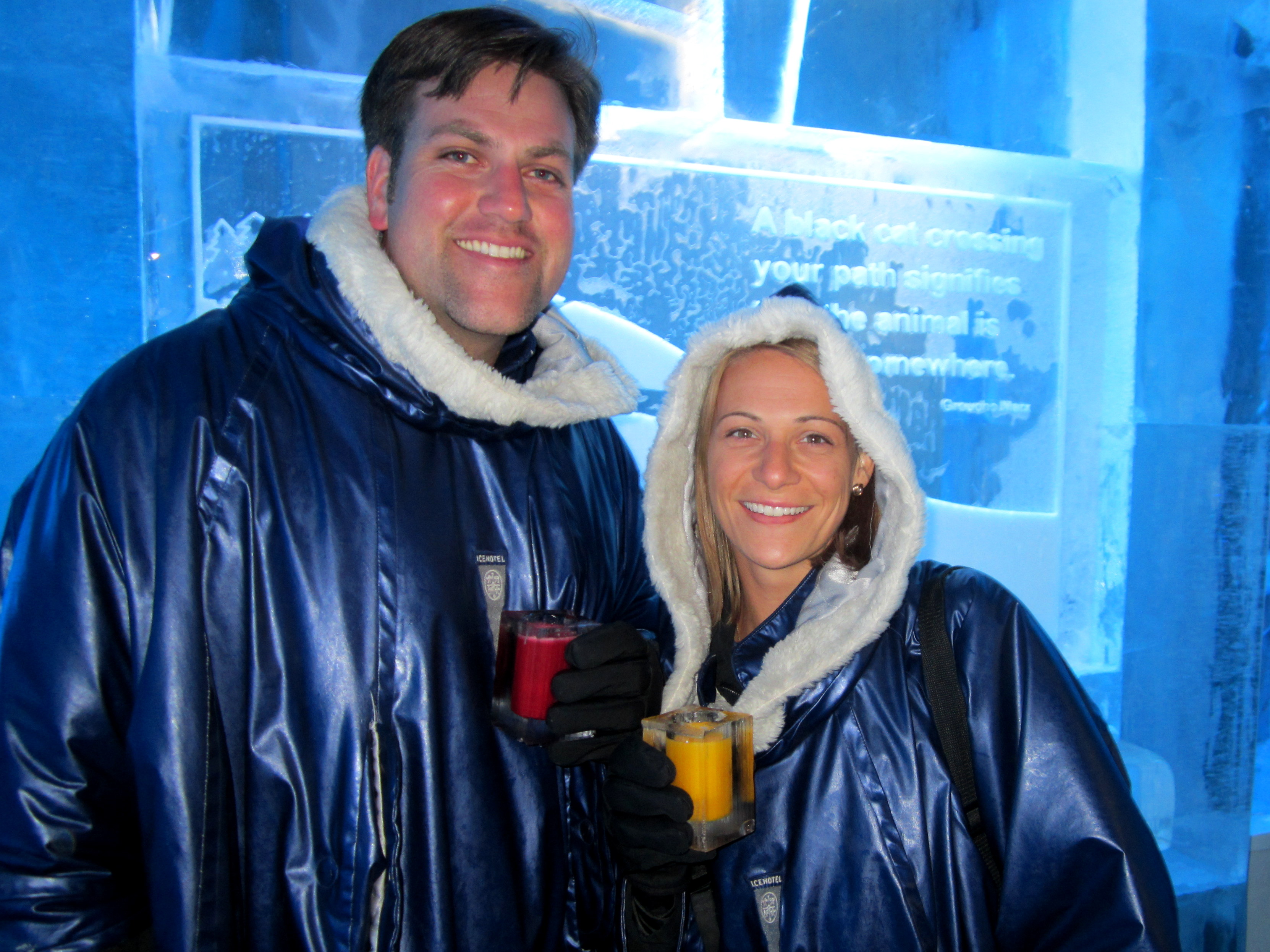
ICEBAR – Unfortunately, we couldn’t make it to Jukkasjärvi, which is 200km north of the Arctic Circle in the Swedish Lapland and home to the chilly “ICEHOTEL”. The next best thing: Stockholm’s “ICEBAR”! Kept at -5oC, ice for the bar comes from the Torne river, the same source as the hotel. All the drinks are made with Sweden’s own Absolut Vodka.

no need for a fridge here


ice glasses

Luckily they gave us gloves and a cape!

Venice, Italy

I’m not going to lie…I was a little skeptical about Venice. I had read so much about how crowded it was with tourists, how stinky and dirty the canals were in summer, and how many mosquitos used the canals as a breeding ground. Not to mention all the usual hype. When the hype is bigger than the actual event (think High School prom), it can often be disappointing.

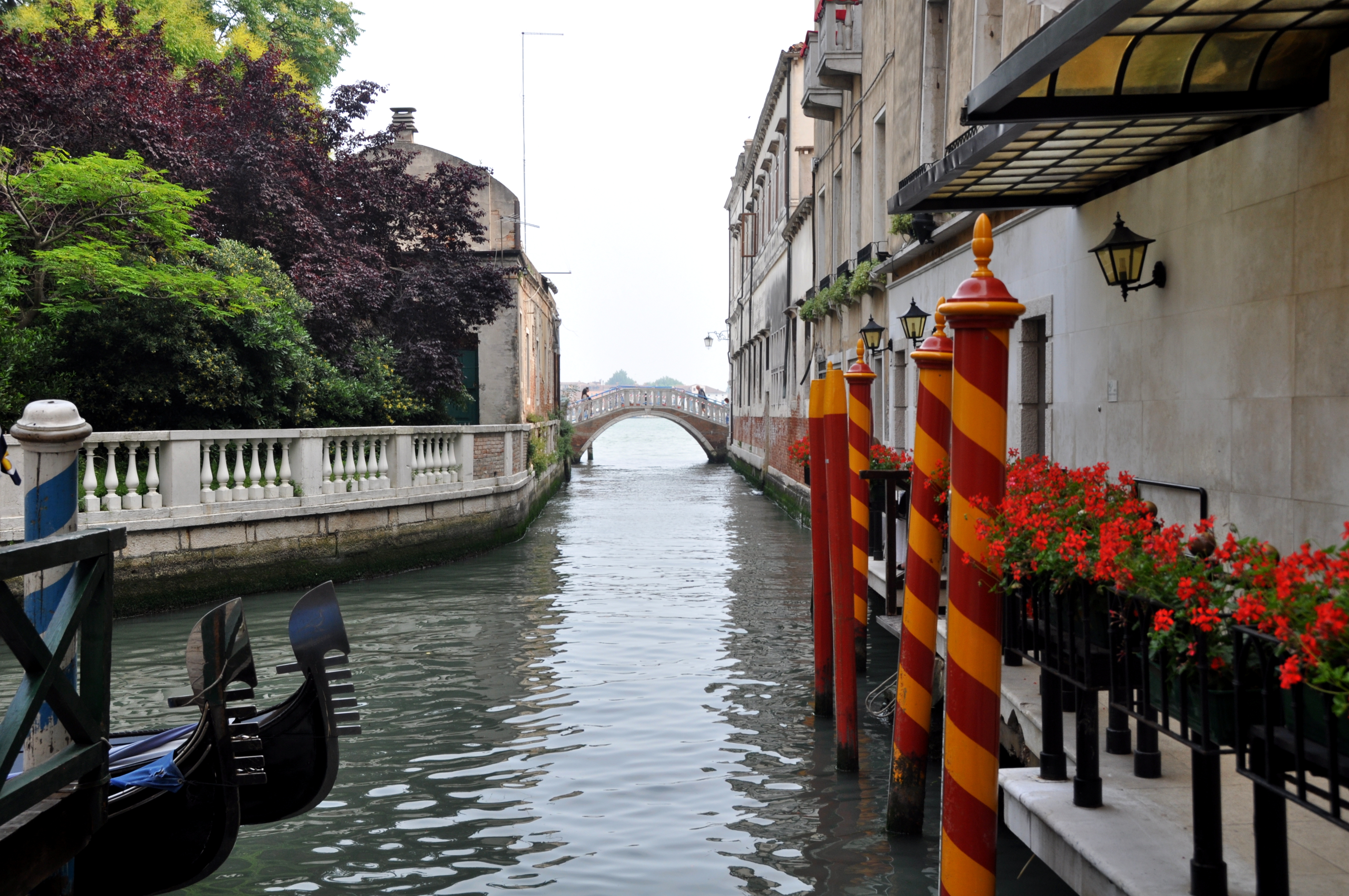
However, none of this was the case when we arrived. Venice is as lovely as everyone says it is. Being totally lost couldn’t be more enjoyable. The crumbling buildings and decaying foundations add charm and character. Every bridge and every corner had something quaint to admire.

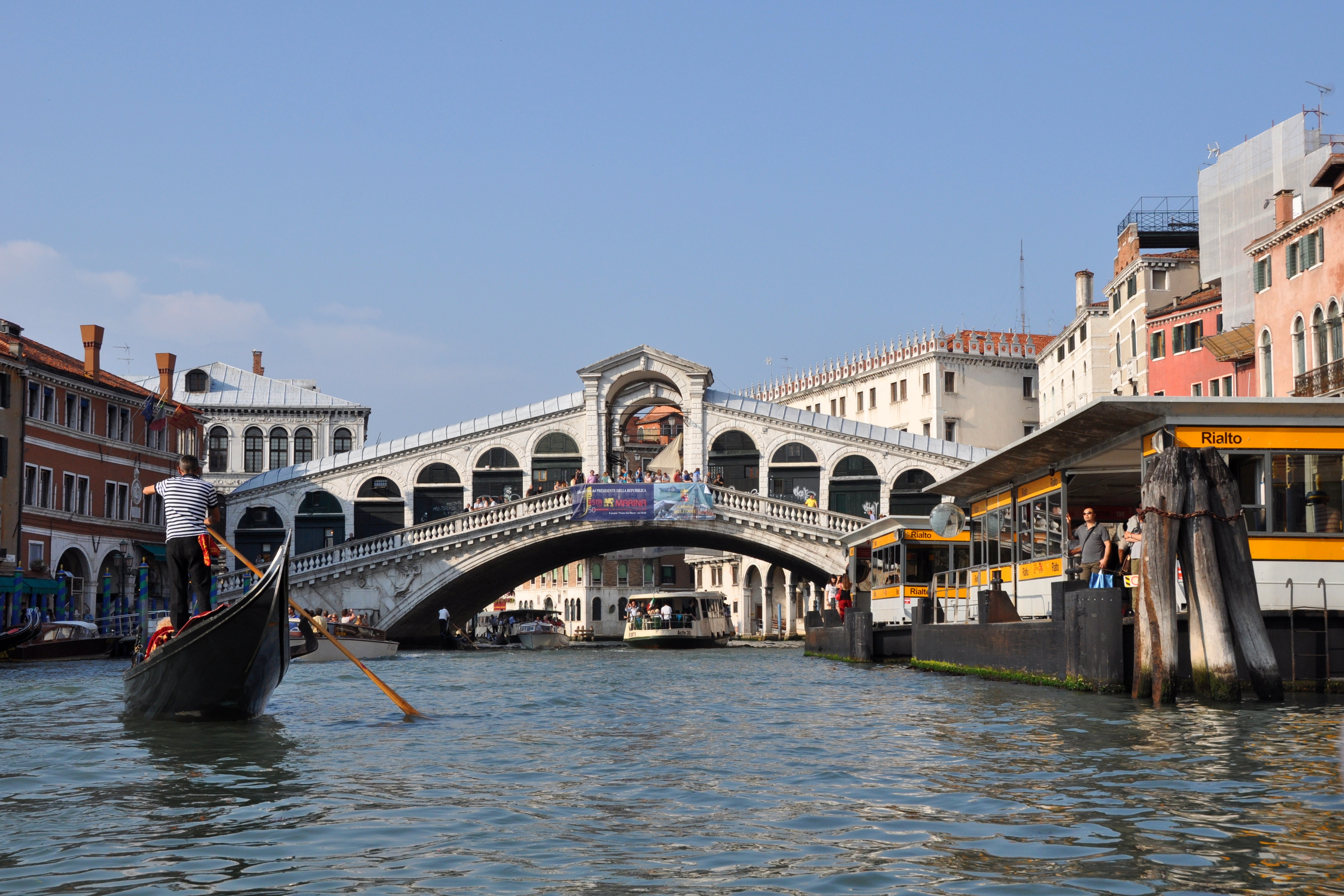
Rialto Bridge


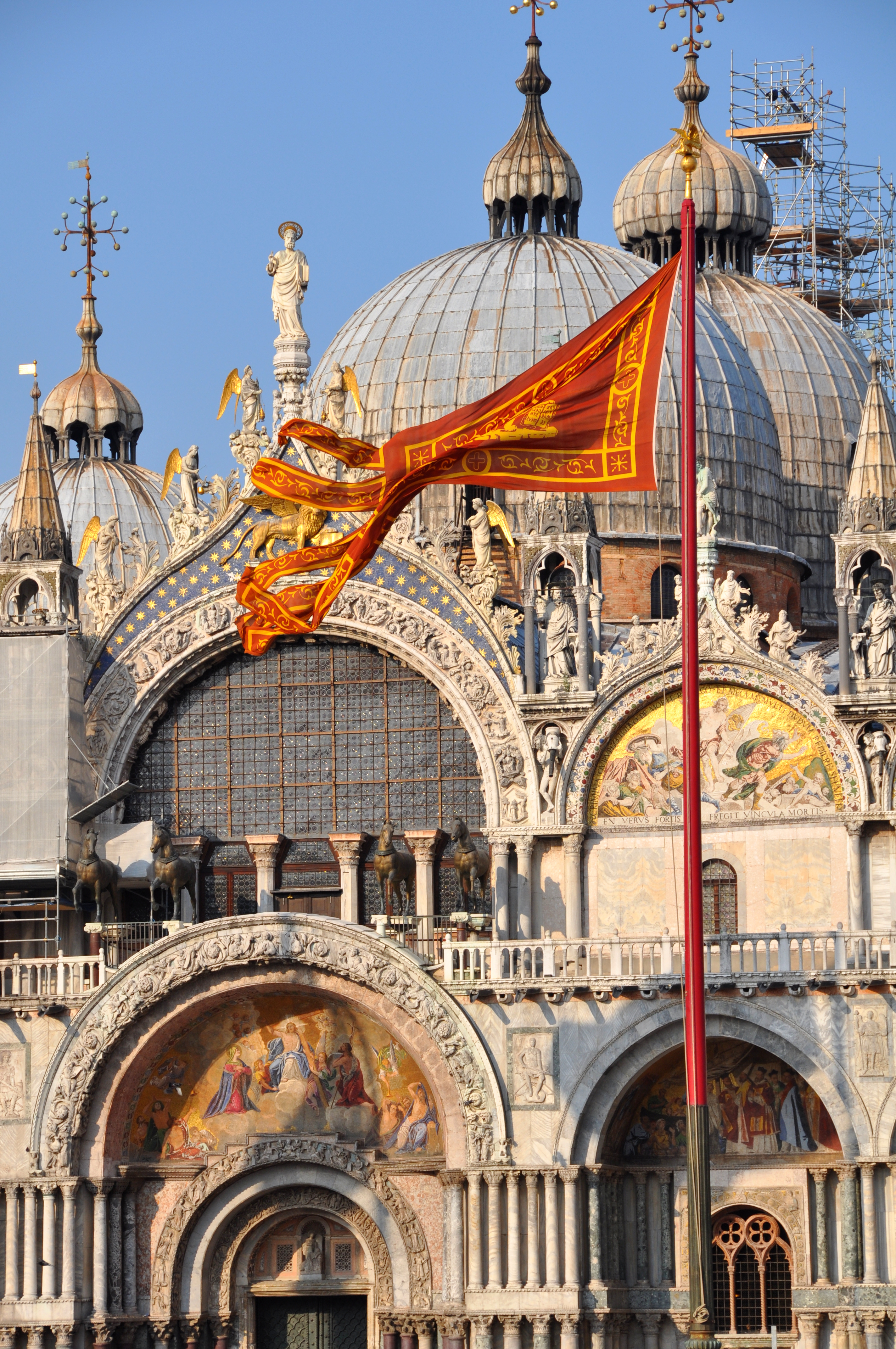
Piazza San Marco and the Basilica are breathtaking, really. One of the most beautiful I have seen, inside and out. The huge mosaics found in every nook and cranny, are truly unbelievable. The mosaic in the Nave of the Basilica is over 4,700 square yards alone!

The Basilica holds the remains of Gospel author Saint Mark, who was blown off course during his travels and ended up in the Venice lagoon. An angel came to him and said that he would lay in peace in this town. After Saint Mark died, his holy body laid in Alexandria, Egypt for seven centuries. In 828, two merchants from Venice decided that they were going to re-claim their patron Saint and bring him back to Venice. They hid his remains in a pork barrel in order to smuggle them out of Muslim-occupied Egypt. One of the mosaics inside tells the story of how, during the several decades needed to build the Basilica, the remains of Saint Mark were “misplaced”. Thank goodness someone finally found them in a hollow column in the Basilica, and they were soon placed under the current alter.

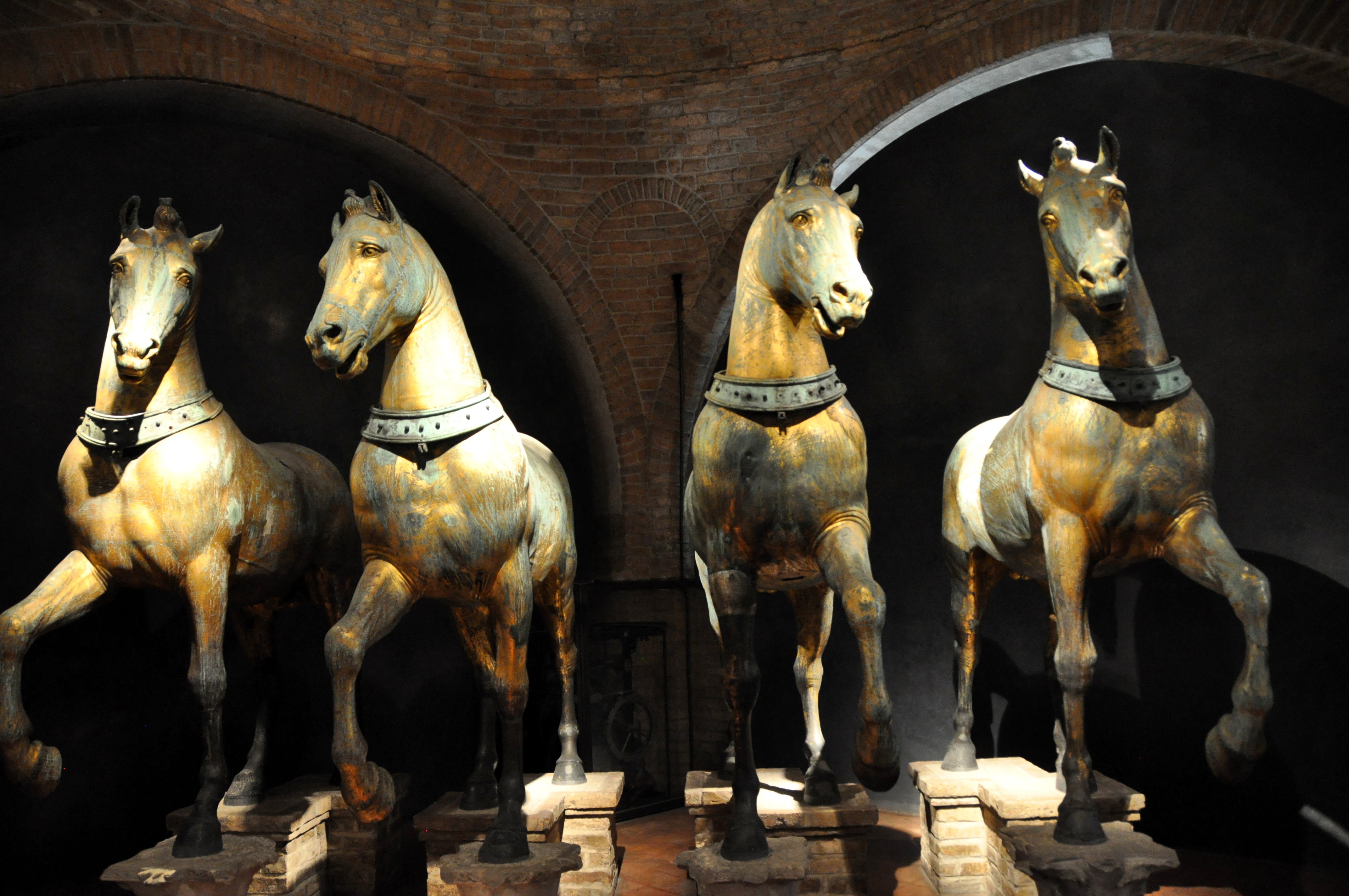
My favorite part of the Basilica was the four bronze horses. Copies of the horses are placed outside, where the originals once stood. You can see them in the picture above, amongst the columns over the main entrance. Their age and sordid history made them so interesting to me. Carbon-14 dates the horses at 175 B.C.! Legend says that they were made in the time of Alexander the Great. Nero then took them to Rome. After that, Constantine decided he wanted them in his racecourse in Constantinople. In 1204 some Venetians stole them during the looting of Constantinople and brought them to Basilica di San Marco! This isn’t the end of their story though. When Napoleon conquered Venice in 1797 he decided that the horses should grace the top of a triumphal arch in Paris. When Napoleon’s empire collapsed, they were returned to Venice to stand proudly over the Piazza. When modern man, pollution, and probably a lot of pigeon poop started to erode the horses, they made their way inside the Basilica, where they currently stand in the museum.


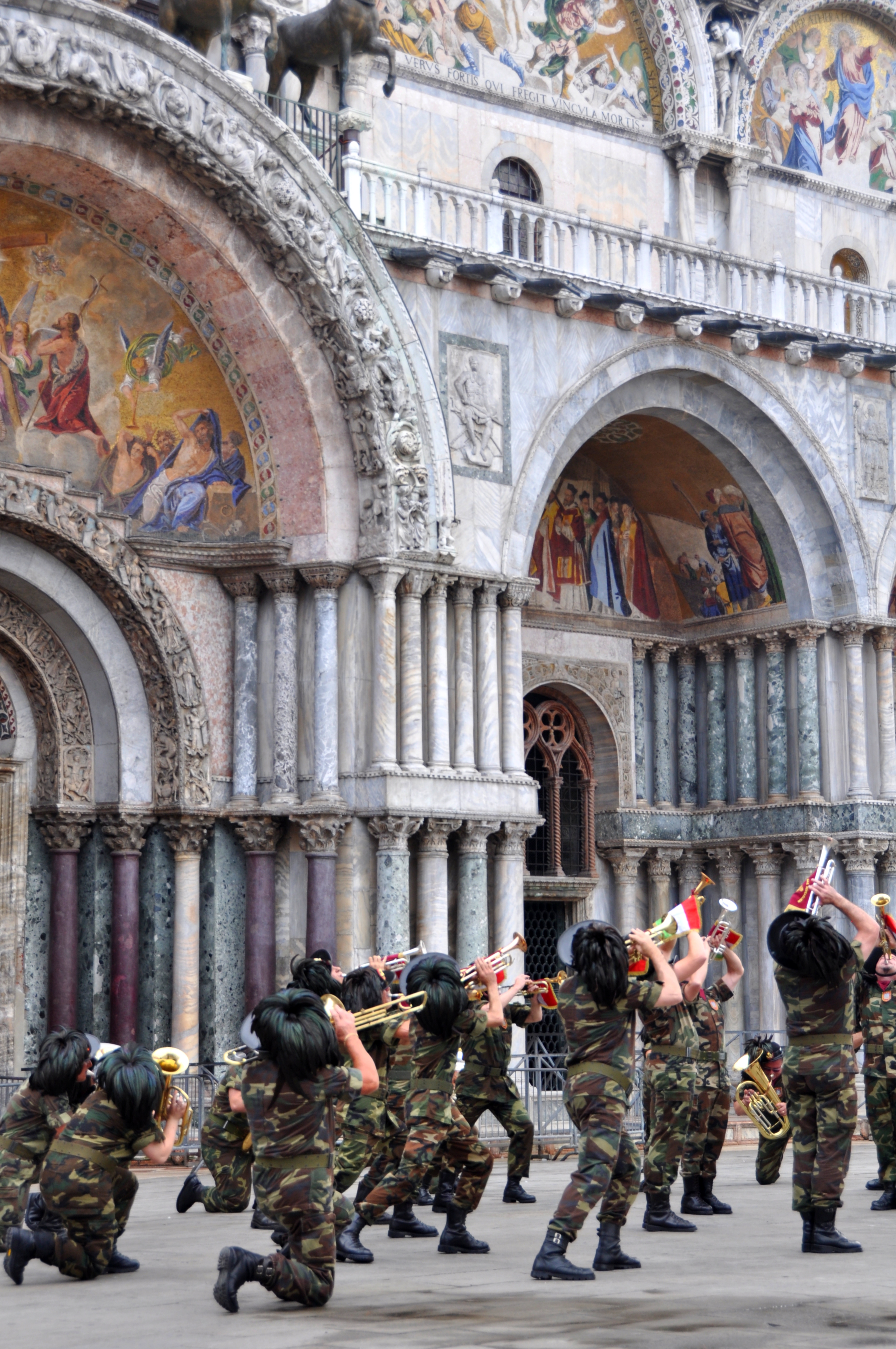
We enjoyed some really interesting surprises during our wanderings through Venice. While waiting to enter the Basilica, there was a civic ceremony being held on the Piazza. We were treated to music from a singing, dancing, running, camouflage and feathered-hat wearing brass band!

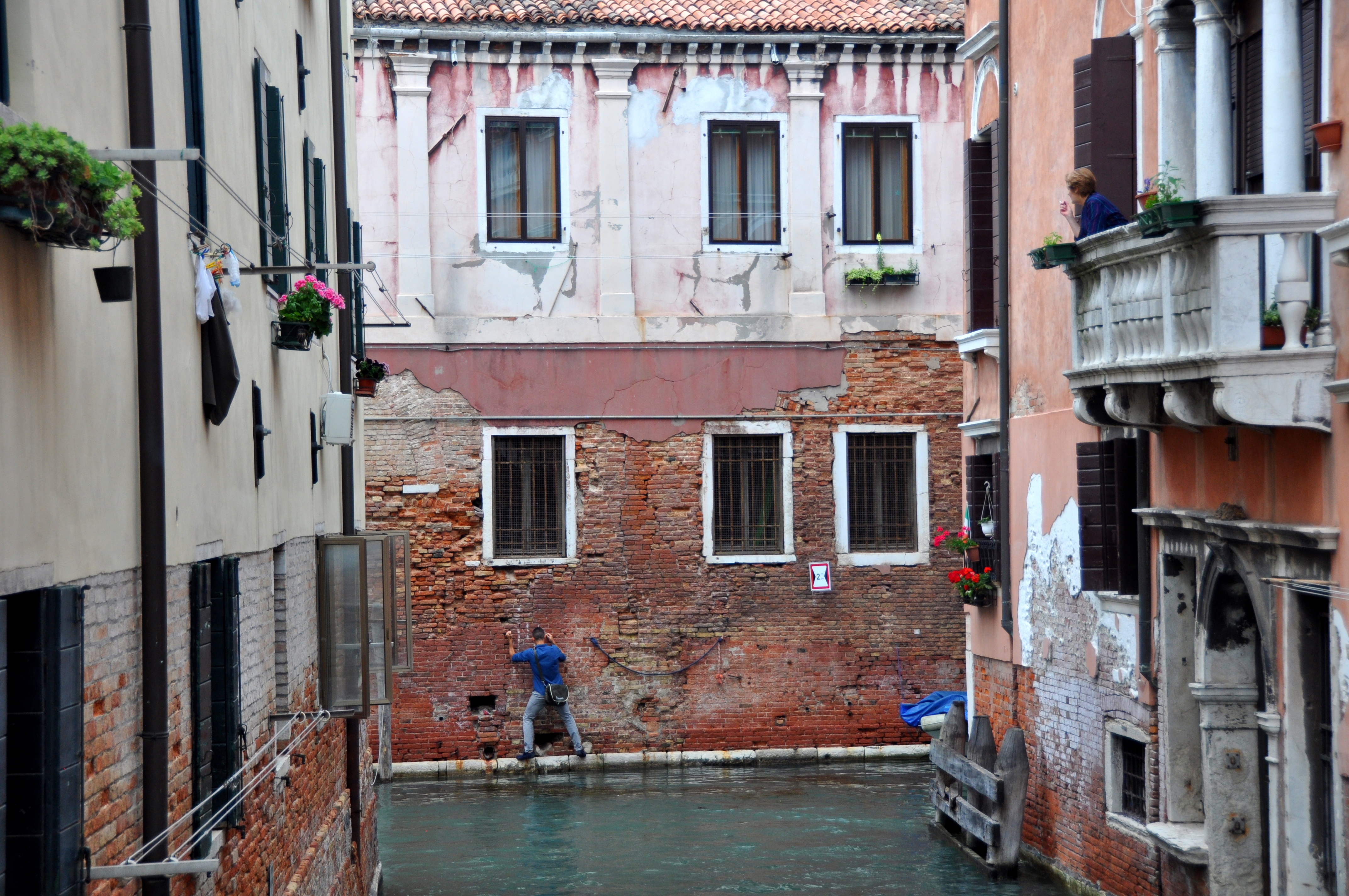
As we crisscrossed the canals, we couldn’t help but notice all the boats that were docked along the buildings. Ok, it is a city built on a lagoon, so that doesn’t seem too unusual. However, there was no conceivable way to reach some of these boats. No small dock, no door, no dingy.  Then, we found our answer. Just scale the wall, one step at a time.

The funniest part was that we saw this guy on the street not five minutes later. There was no mistaking that bag and those shoes (they matched his shirt…blue suede). Apparently he wasn’t trying to get to his boat after all…just leaving the house for the day!

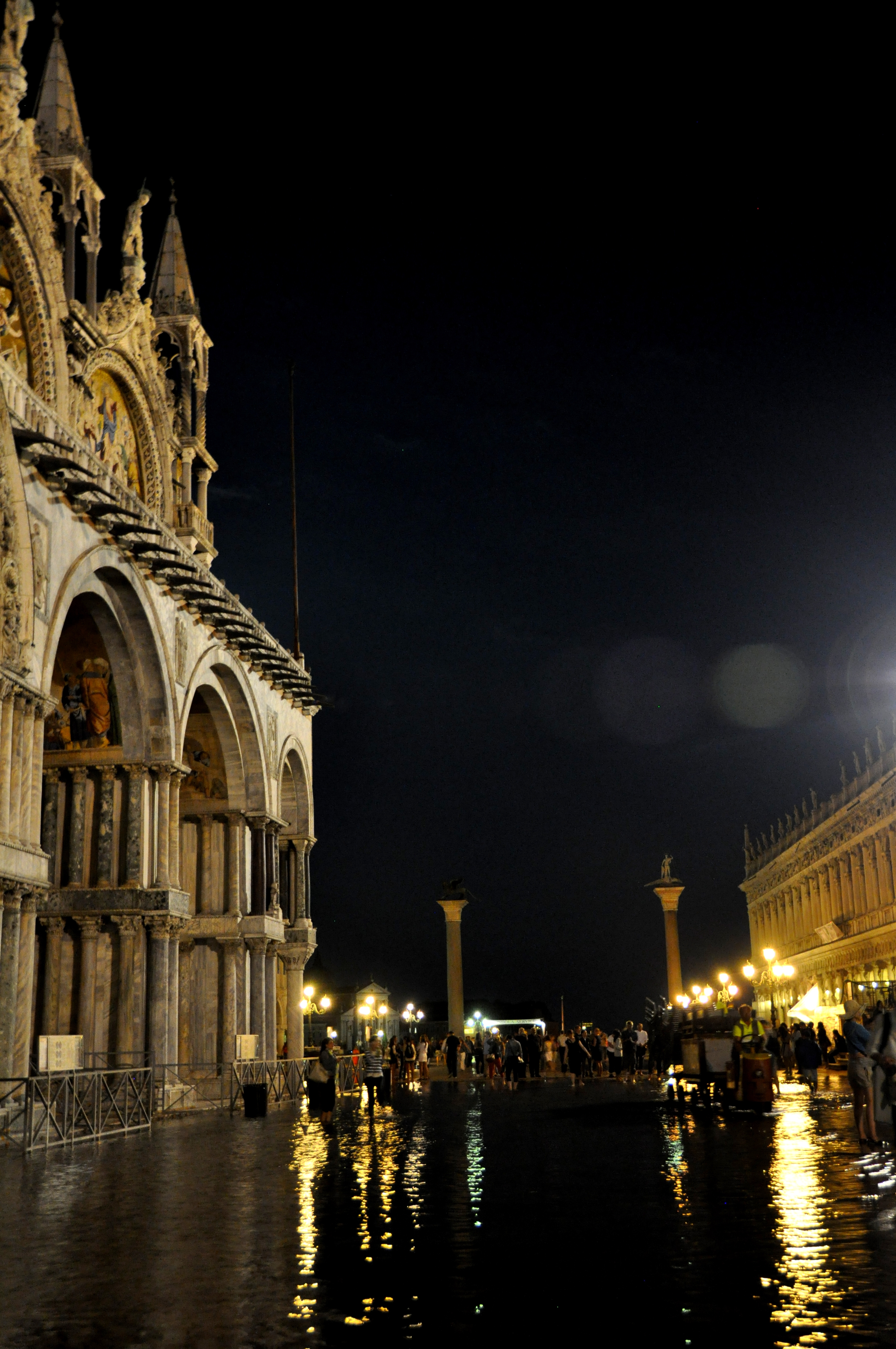
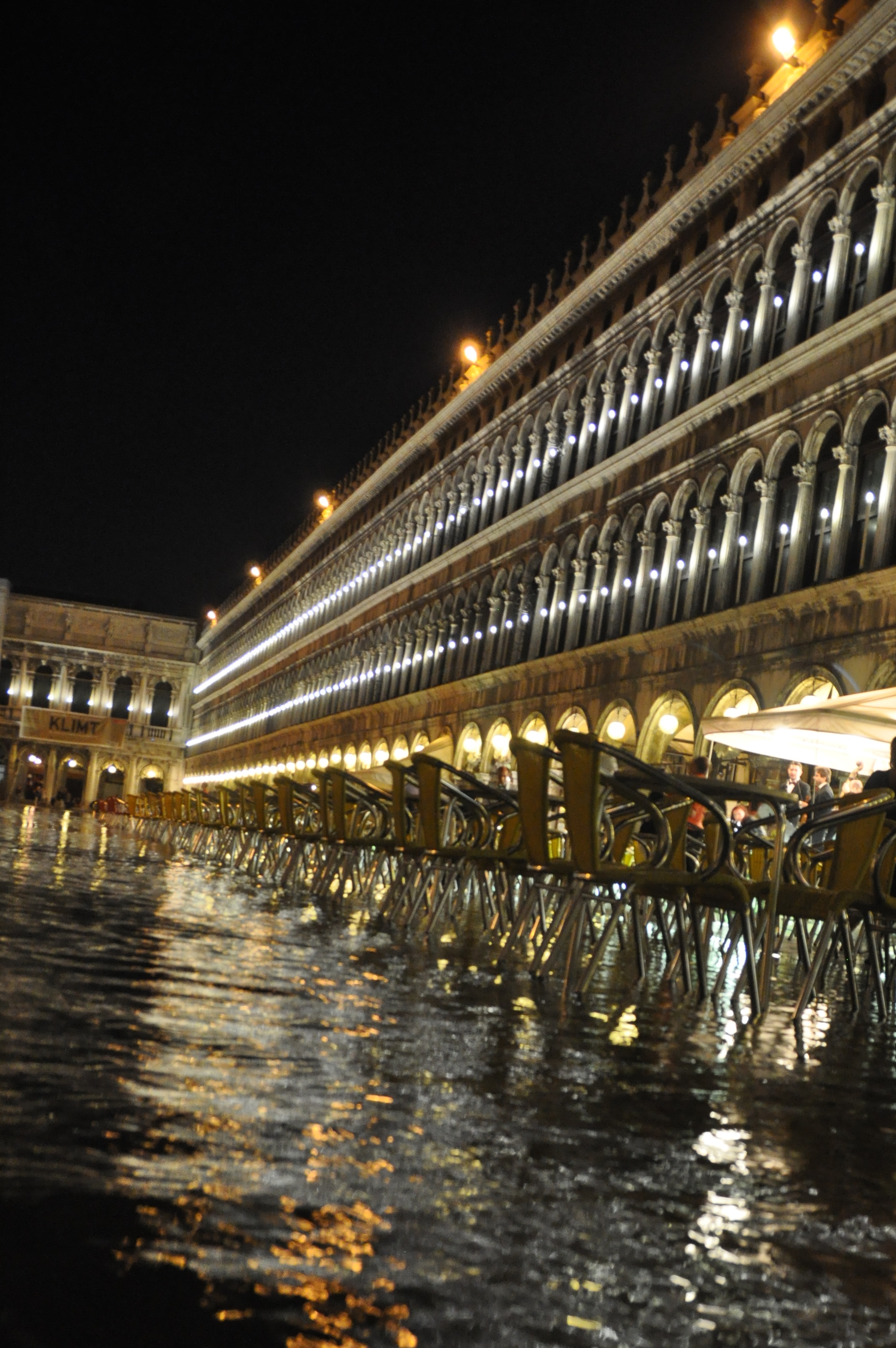
Another surprise was the Piazza at night. Besides being beautiful, it is flooded. We had read and learned about the “Acqua Alta”, which is the flooding that occurs when tides are at their most extreme (usually November and March). However, I think what we experienced wouldn’t even be considered flooding by the Venetians. Instead, just the normal wetness that comes along with the full moon. So, instead of ruining our shoes, we just kicked them off and waded through!


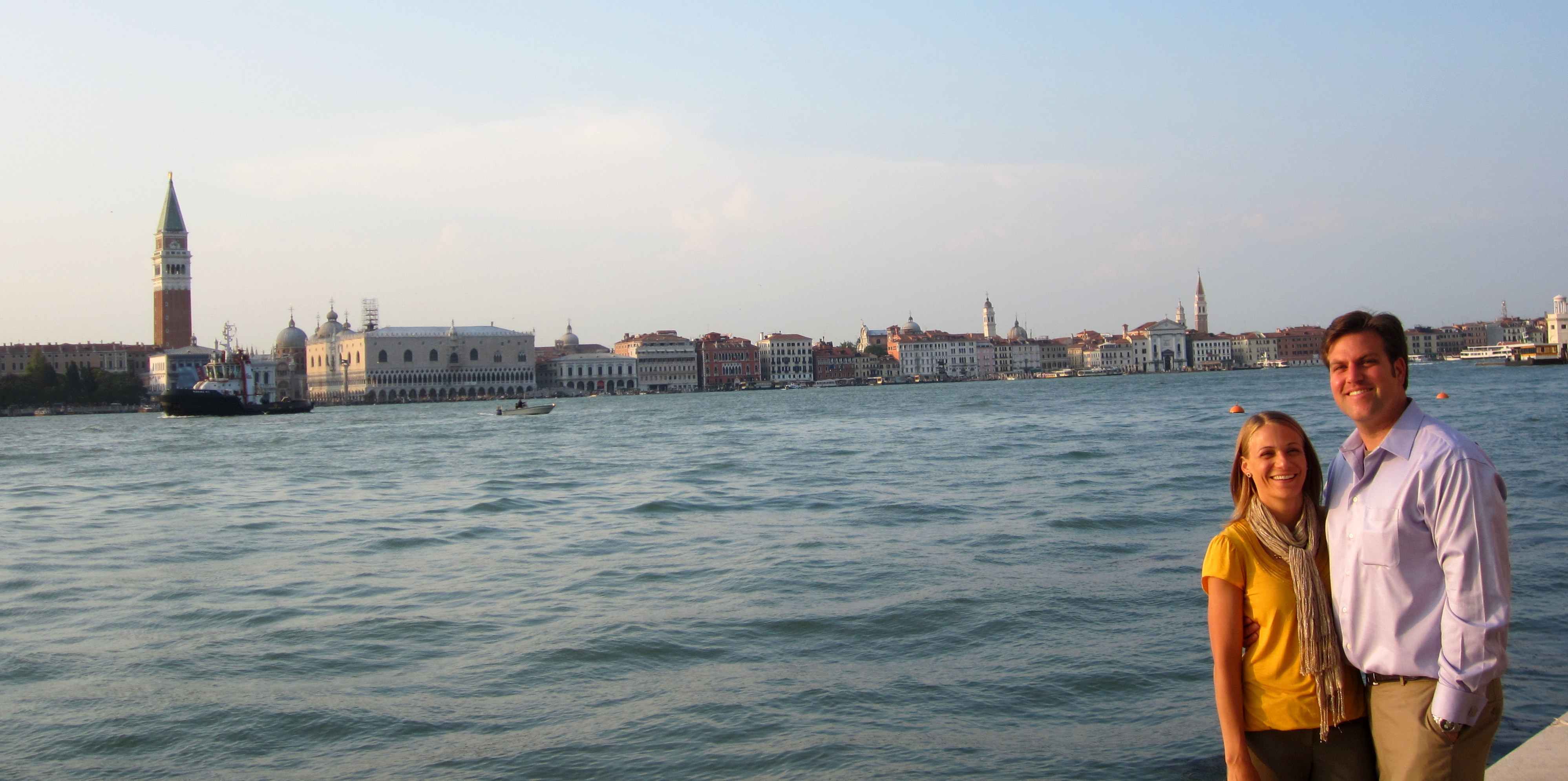
We headed across the lagoon to the island of La Giudecca for Birthday dinner and a beautiful view of Venice’s sunset skyline.


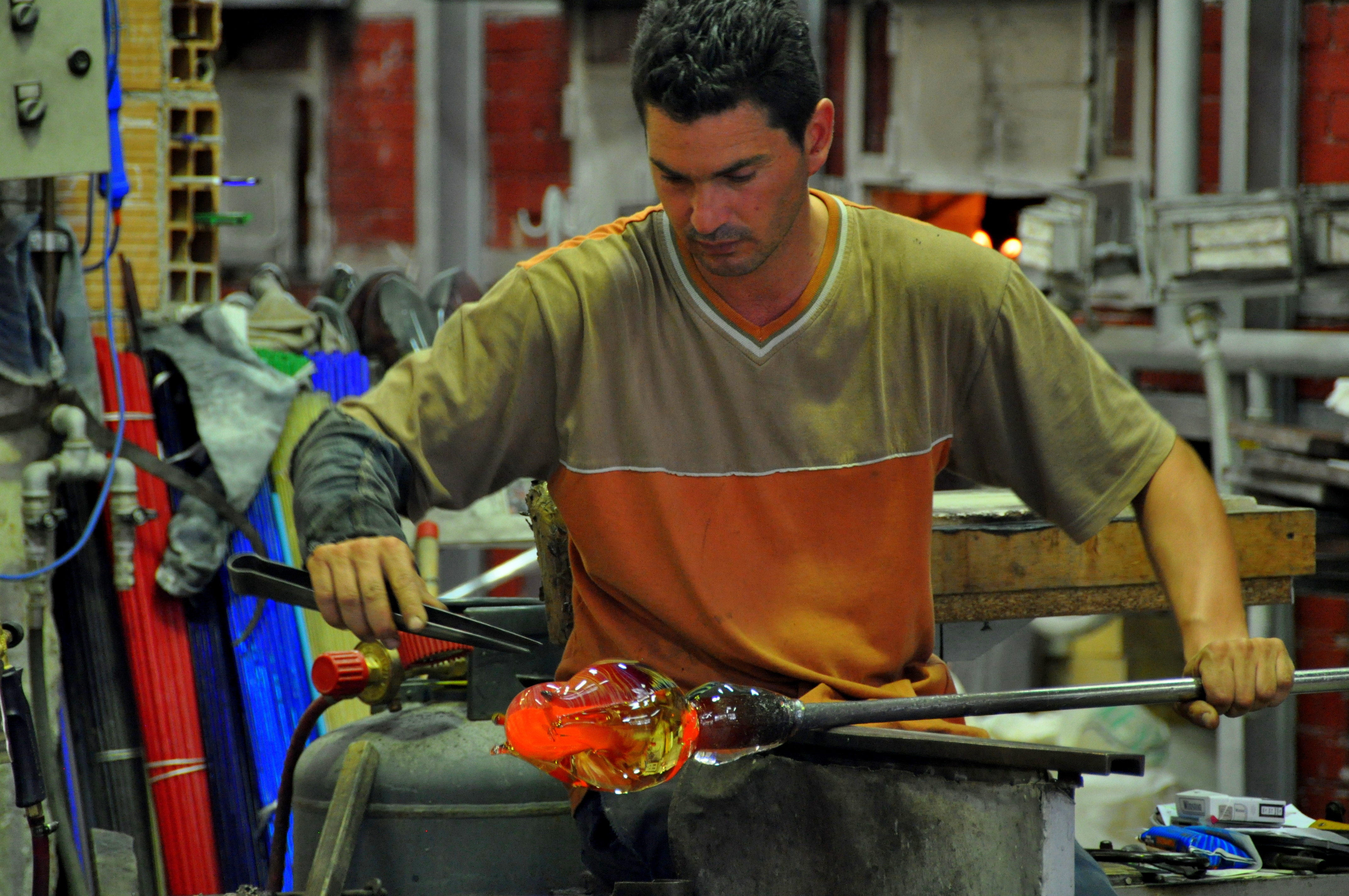
Finally, we spent our last day in Venice on the island of Murano. Despite the rain, we enjoyed walking the streets, finding respite in the dozens of glass shops, and peeking in on glass blowers hard at work.

Murano in the rain