Luxembourg – Eine Geschichte aus drei Städten

A Tale of Two Three Cities

Luxembourg, another one of Europe’s forgotten “L” countries! Luxembourg is nooked between France, Belgium, and Germany, and unfortunately overlooked by most of Europe’s travelers. We really enjoyed this “sleeper” of a country, which is rich in history and continued development.

Founded in the 900s, this small Duchy has changed hands numerous times during its tumultuous past. Over 1,000 years of constant fighting has caused this country to become one of the most heavily fortified areas in Europe. Add on two World Wars and an economic restructuring in the 20th century and you get a picturesque capital city with three very distinct personalities.

The Alzette River runs through Luxembourg City and the oldest portions of the city are found along the river in the Vallée de la Pétrusse. The valley has its own neighborhoods, restaurants, hiking trails, nightlife, and a distinct feeling of old-world.

From above, you can walk the Chemin de la Corniche, which is commonly known as “Europe’s most beautiful balcony” and admire the view of the old valley.
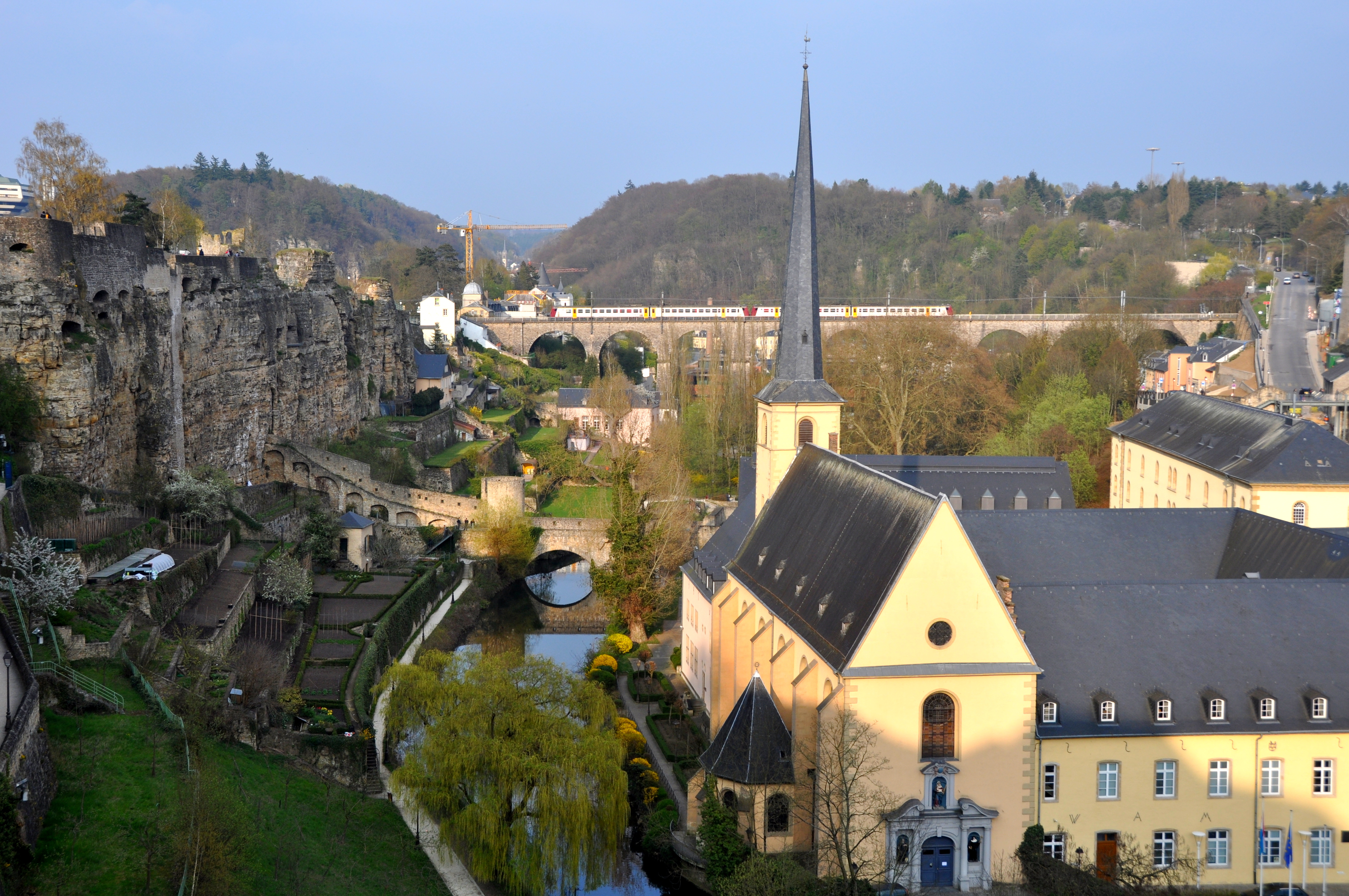
Europe's most beautiful balcony
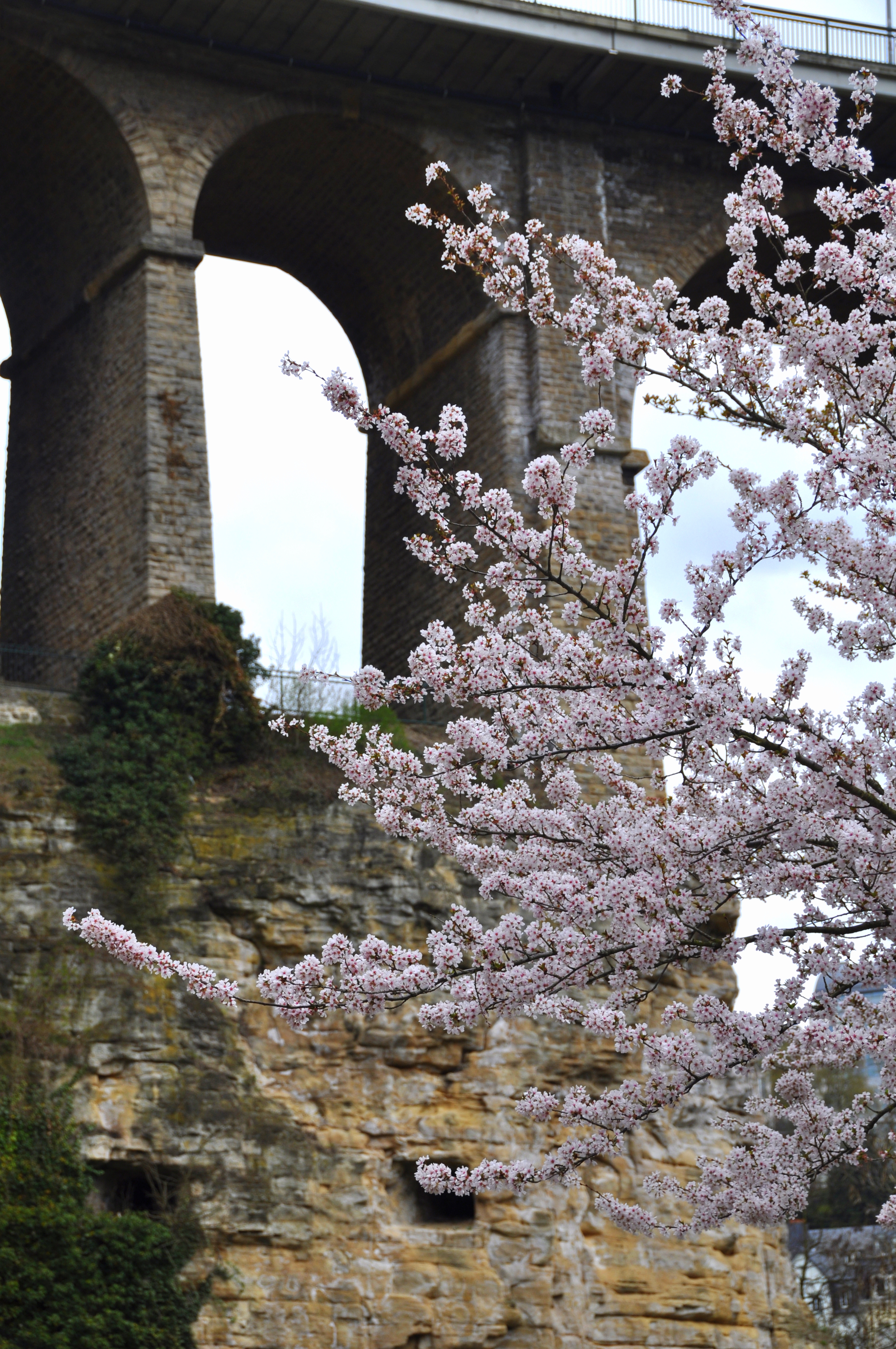
Spring in Luxembourg
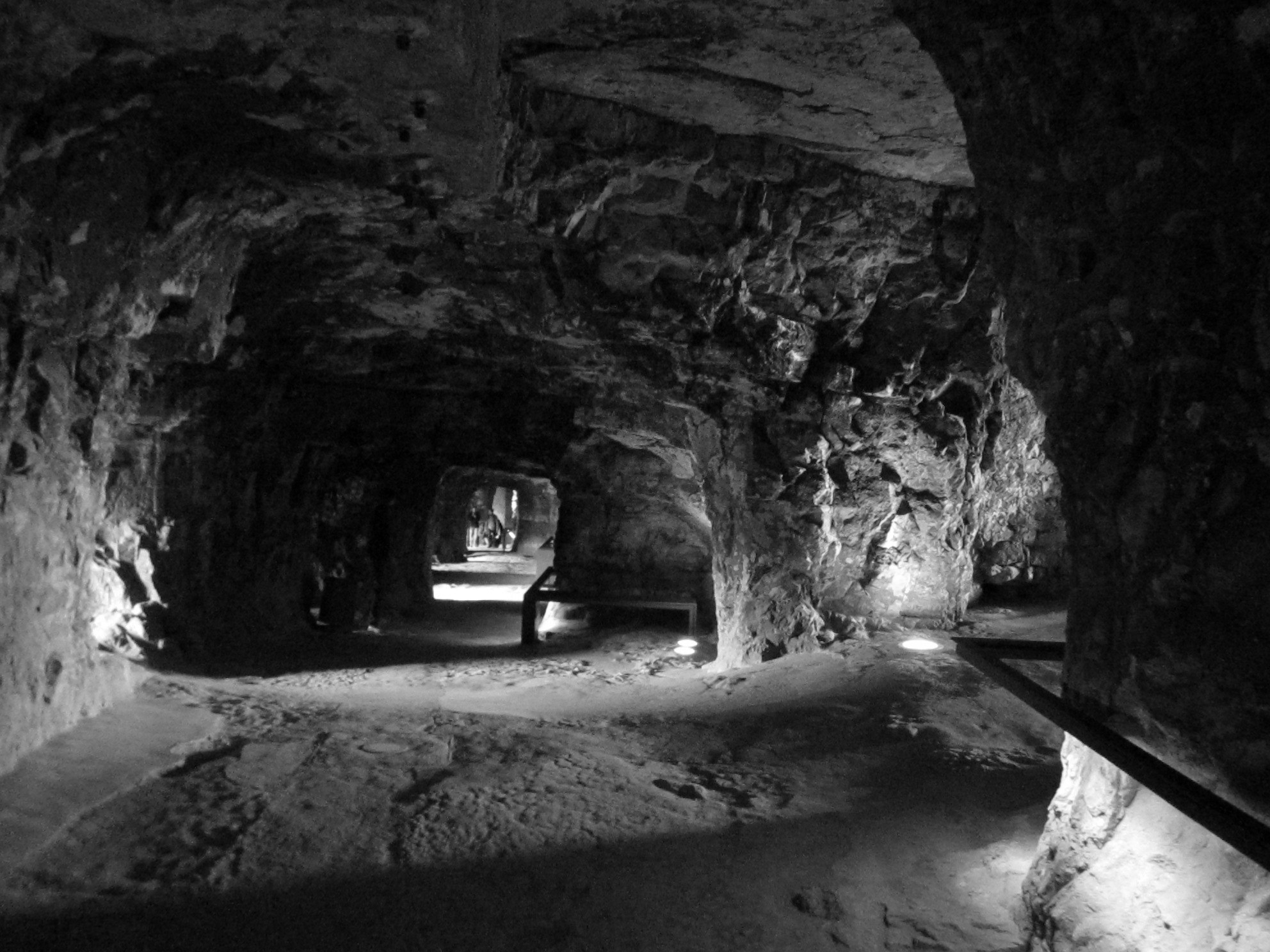
The valley is surrounded by steep walls with small look-out holes. These look-outs are actually the only visible indicator of 27km of tunnels and caves weaving under and around modern Luxembourg City. These “Casemates” were Luxembourg’s underground military defense system, built in the 10th century. A hidden city which gave Luxembourg the nickname “Gibraltar of the North.”

Bock Casemates

During both of the World Wars, the Casemates were used as bomb shelters and could protect up to 35,000 people! Now, only 17km of the tunnel network still exist and only 13km are accessible by the public.
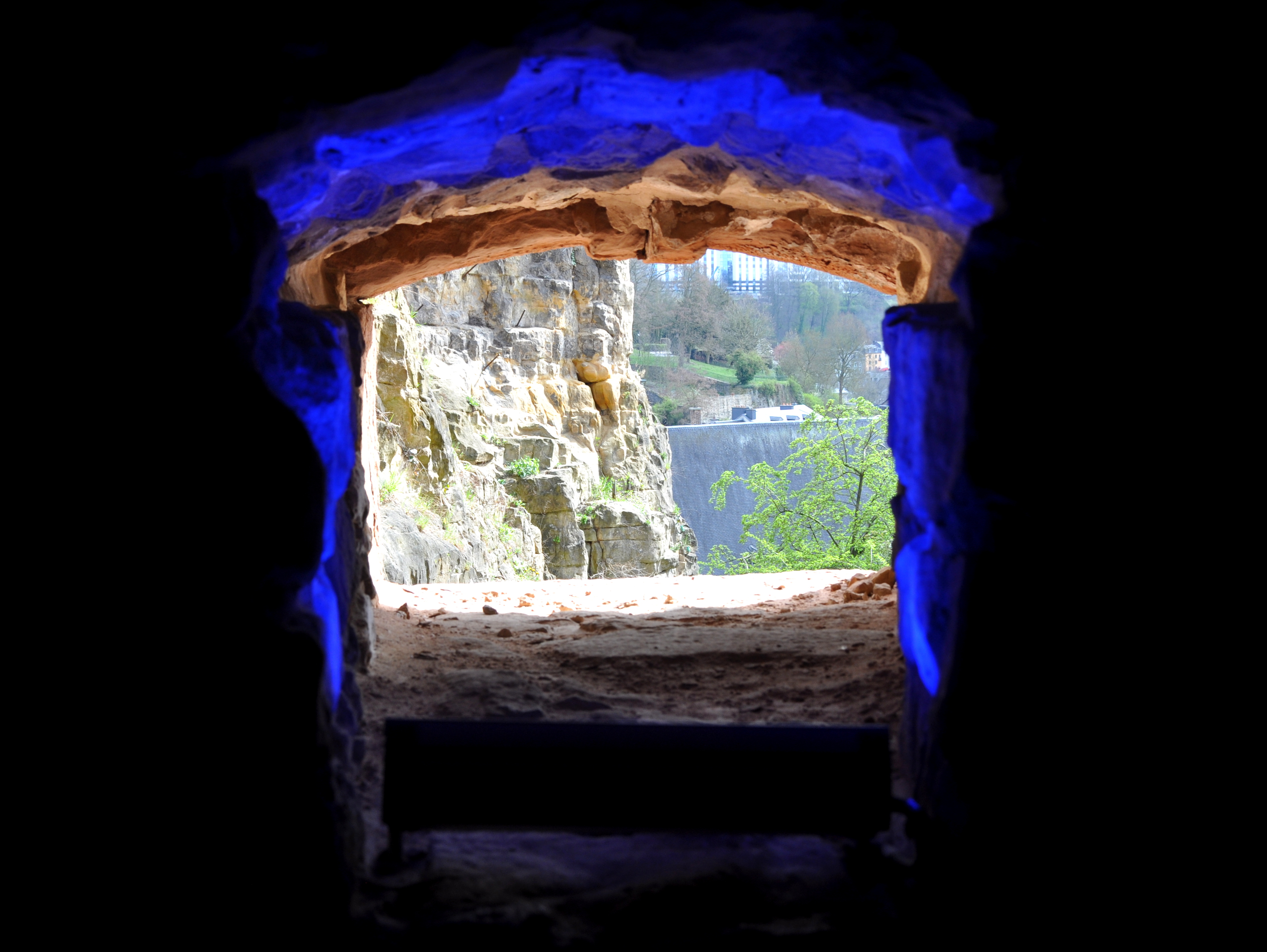
View from within the Casemates - cheezy lighting included

Away from the Peeping-Toms of the Casemates is a modern and booming city. During the 1970’s Luxembourg restructured its tax system and developed an economy that became attractive to international finance firms. It currently has the highest per-capita income in the European Union, as well as the highest concentration of banks. The European Union wanted to house its entire headquarters in the city, but Luxembourg refused, agreeing to take only the European Investment Bank and a few other offices.

View of the Bank Museum, from across the valley and Adolphe Bridge

On Sunday we headed out of town to the American Military Cemetery and Memorial, where over 5,000 soldiers and General George S. Patton are buried. Most of the soldiers resting here gave their lives during the winter of 1944-1945 in “The Battle of the Bulge”, the largest battle fought by the Americans in World War II. Ill-equipped for winter combat, America lost over 19,000 men between December and February. As we walked through the headstones on Easter Morning, as if to ensure we got the full experience, snow began to fall. We spent the morning in awe of “the Greatest Generation” and the uncountable sacrifices of a different time, place, and world.
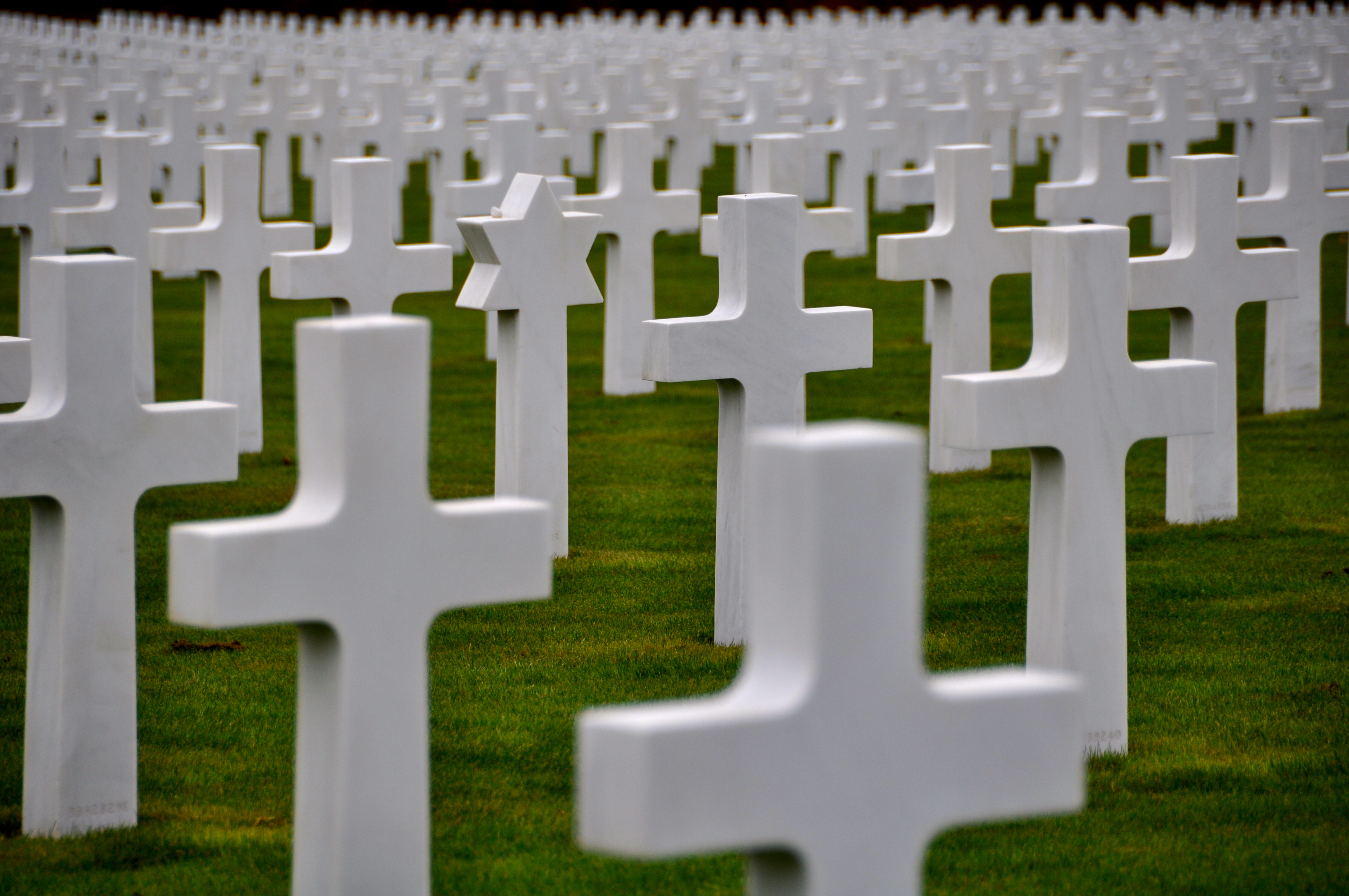
American Cemetery and Memorial

Not more than 1.5km from the American Cemetery is the German Military Cemetery, where close to 11,000 German soldiers are buried. The contrasts between the cemeteries were obvious. Barely marked and off a Luxembourg highway, the cemetery is relatively hidden. The print material had not been updated since the 70s and there were numerous requests for donations. Each headstone marked the grave of 4 soldiers (2 in front of the headstone, and 2 on the other side) and the grounds were already showing signs of weed-growth. We were the only people there.

We have not lived in Germany very long, but we have quickly learned the current generation’s perception of and attitude towards WWII. For the most part, no one wants to address it or acknowledge that it even occurred. “Out of sight, out of mind.” This cemetery seemed to personify their outlook.
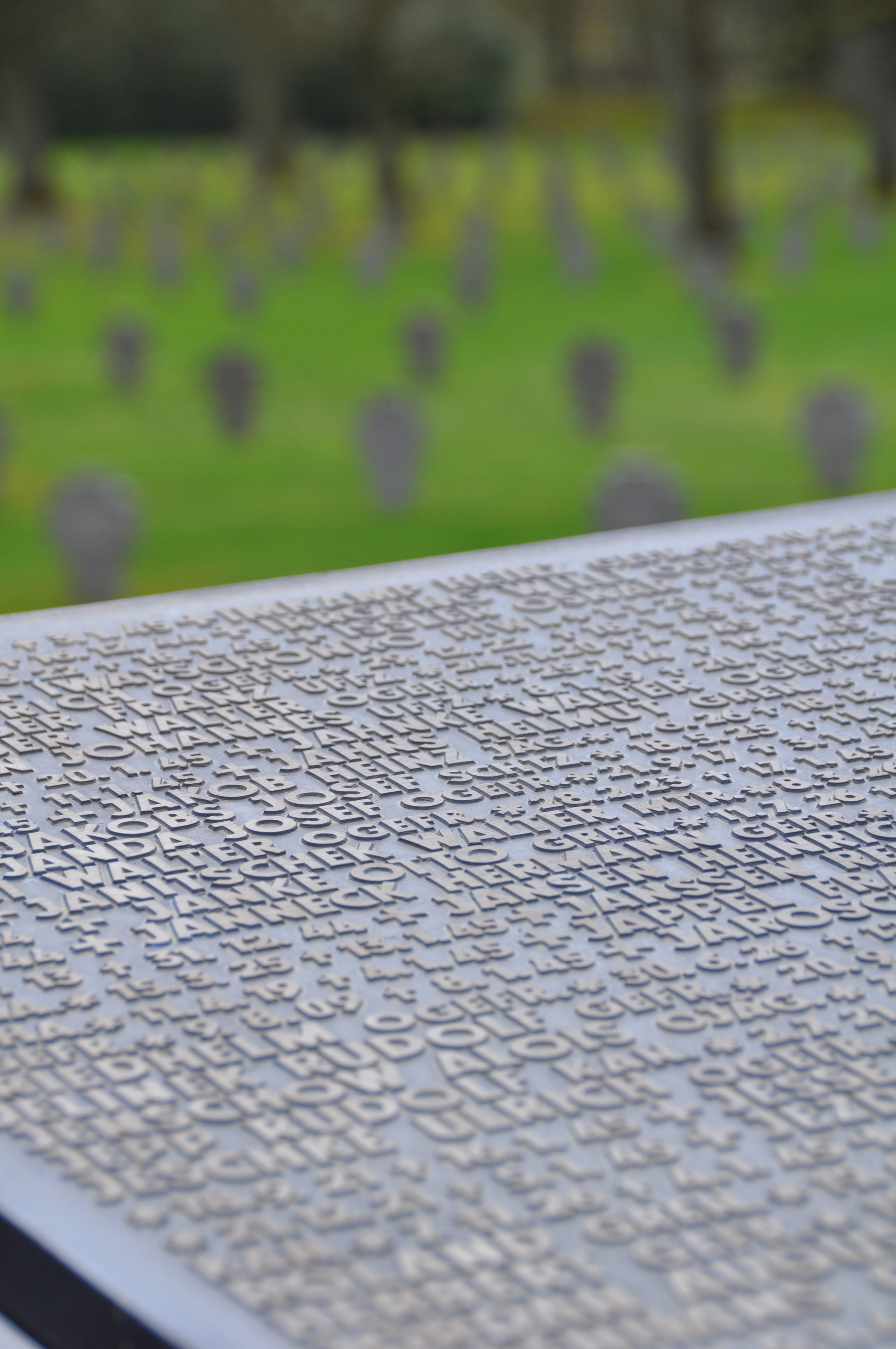
German Military Cemetery

As not to end on such a sour note, here is a pic of Liv enjoying her day in Luxembourg, running through more grass than she has seen since the States!
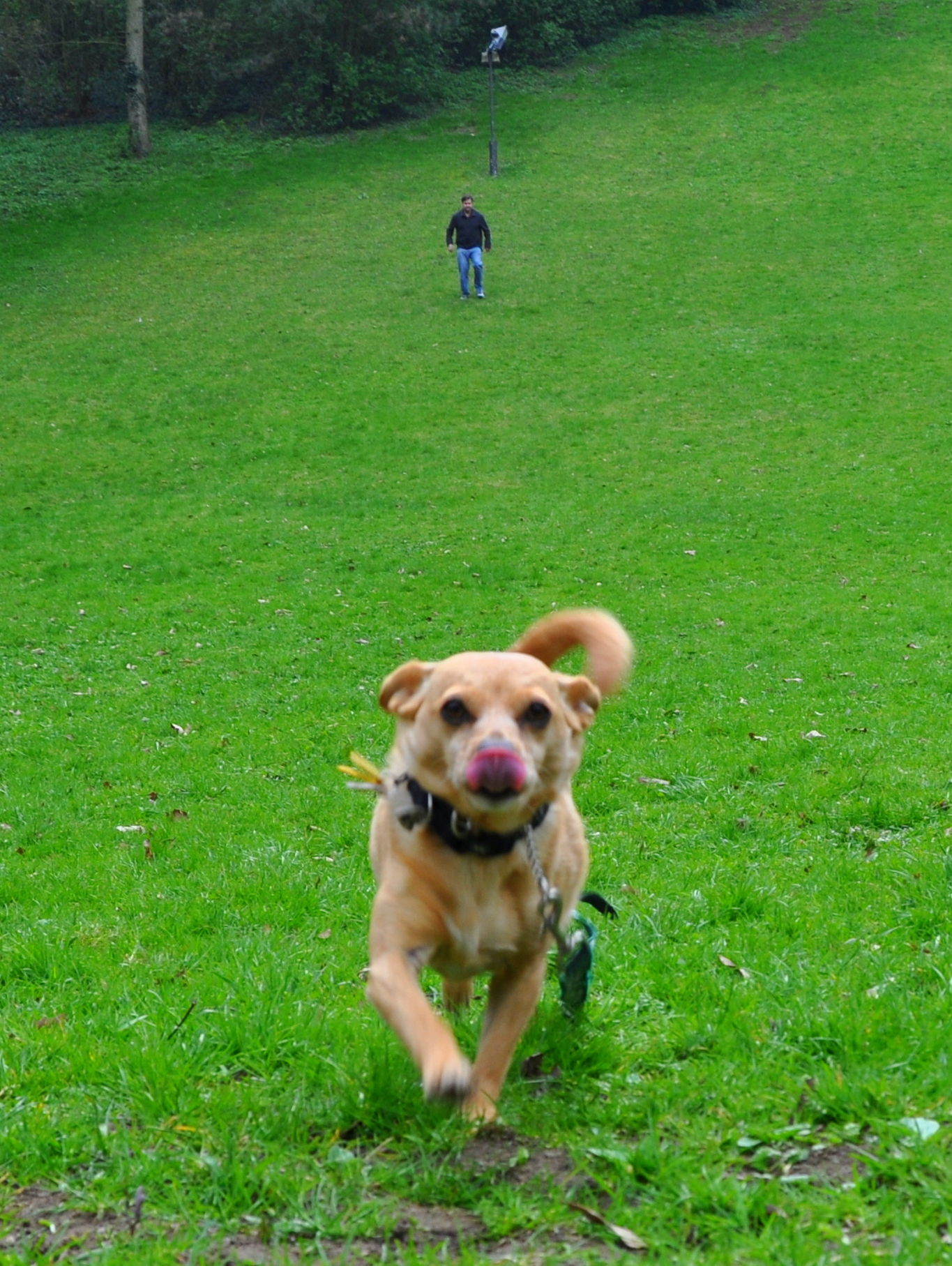
Liv in Luxembourg
die höchsten Dinge

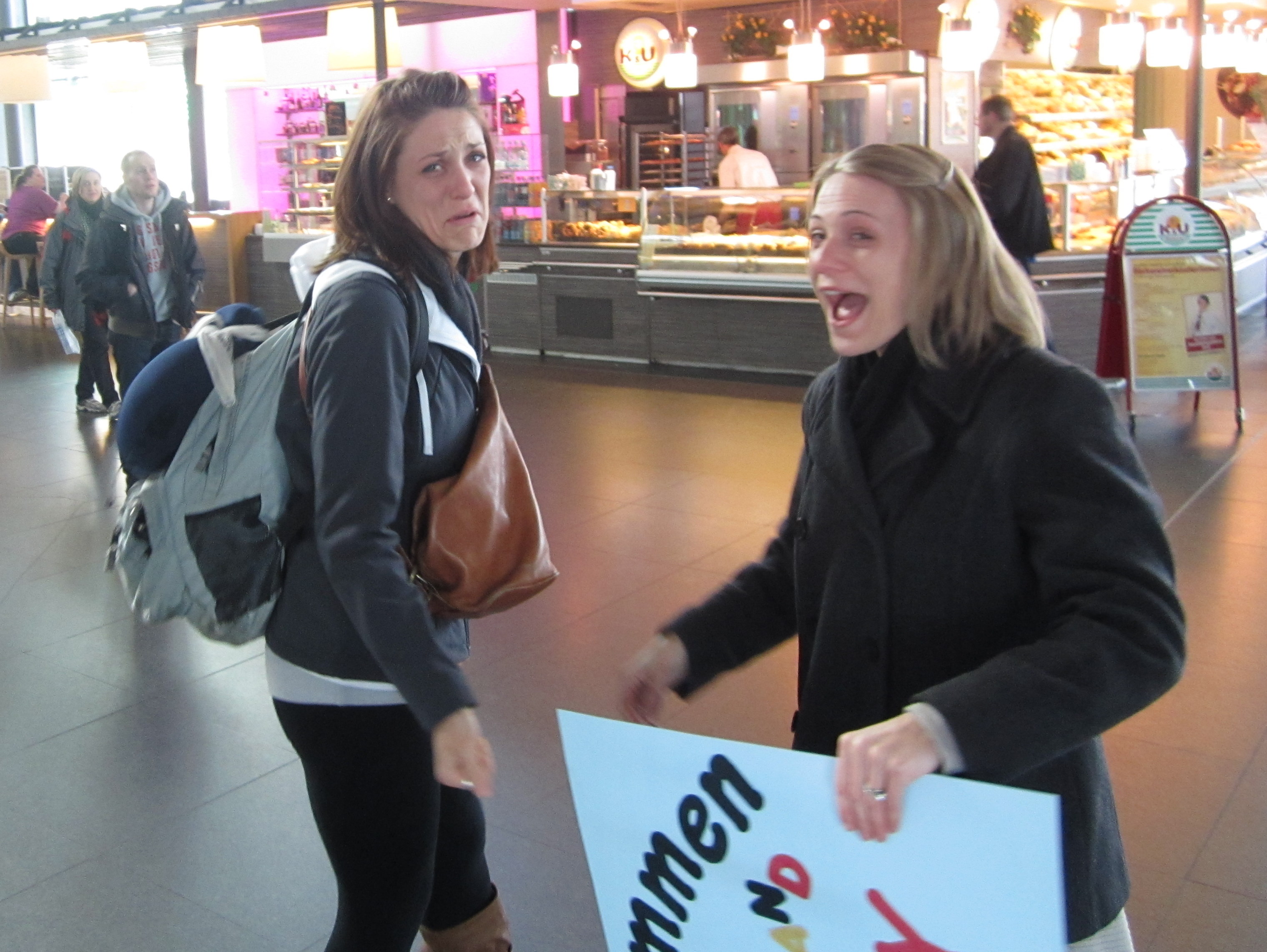
Malm girls don't cry


Joe and I were so excited to welcome our first family member from the States, my little sister!

We saw so many sights in Germany, Switzerland, and France! Only a portion of which are included here!


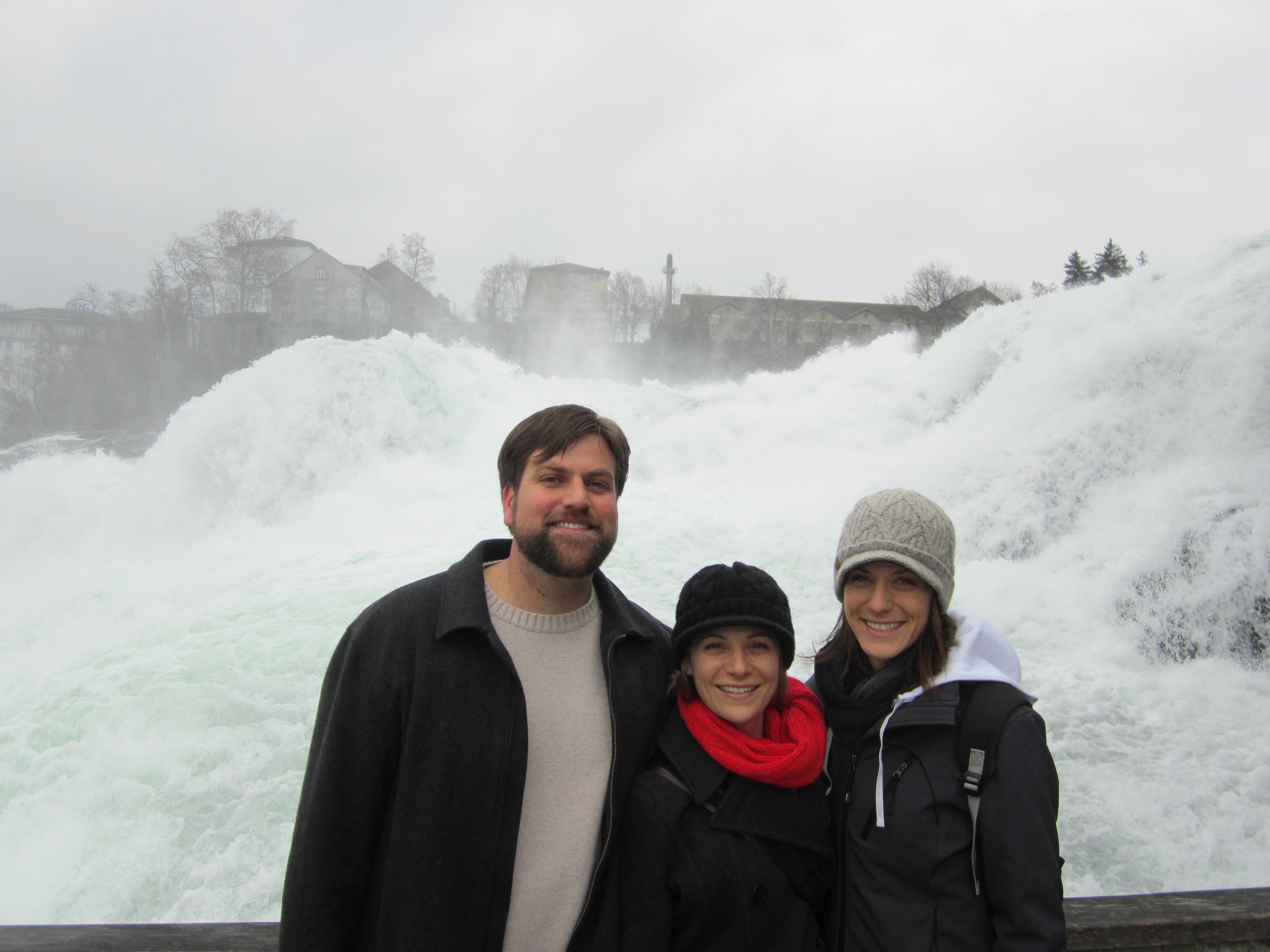
First stop: the Reinfalls in Neuhausen, Switzerland. Also known as the “Niagara Falls of Europe” it is the largest waterfall in Europe. From the top of the falls to the bottom of the pool is 534 feet and over 158,000 gallons flow over the break each second! On the way home we discovered the tiny town of Stein-am-Rhein.

The Reinfalls


The next day had yet another waterfall in store for us, although not purposely! We headed into the Black Forest to the town of Todtnau, with the intention of riding the Rodelbahn (a rollercoaster with individual cars, and very popular pastime in southern Germany). Sadly, it wasn’t open. However, the hairpin roads of the Forest lead us right to the Todtnauer Wasserfall!

Todtnauer Rainbow

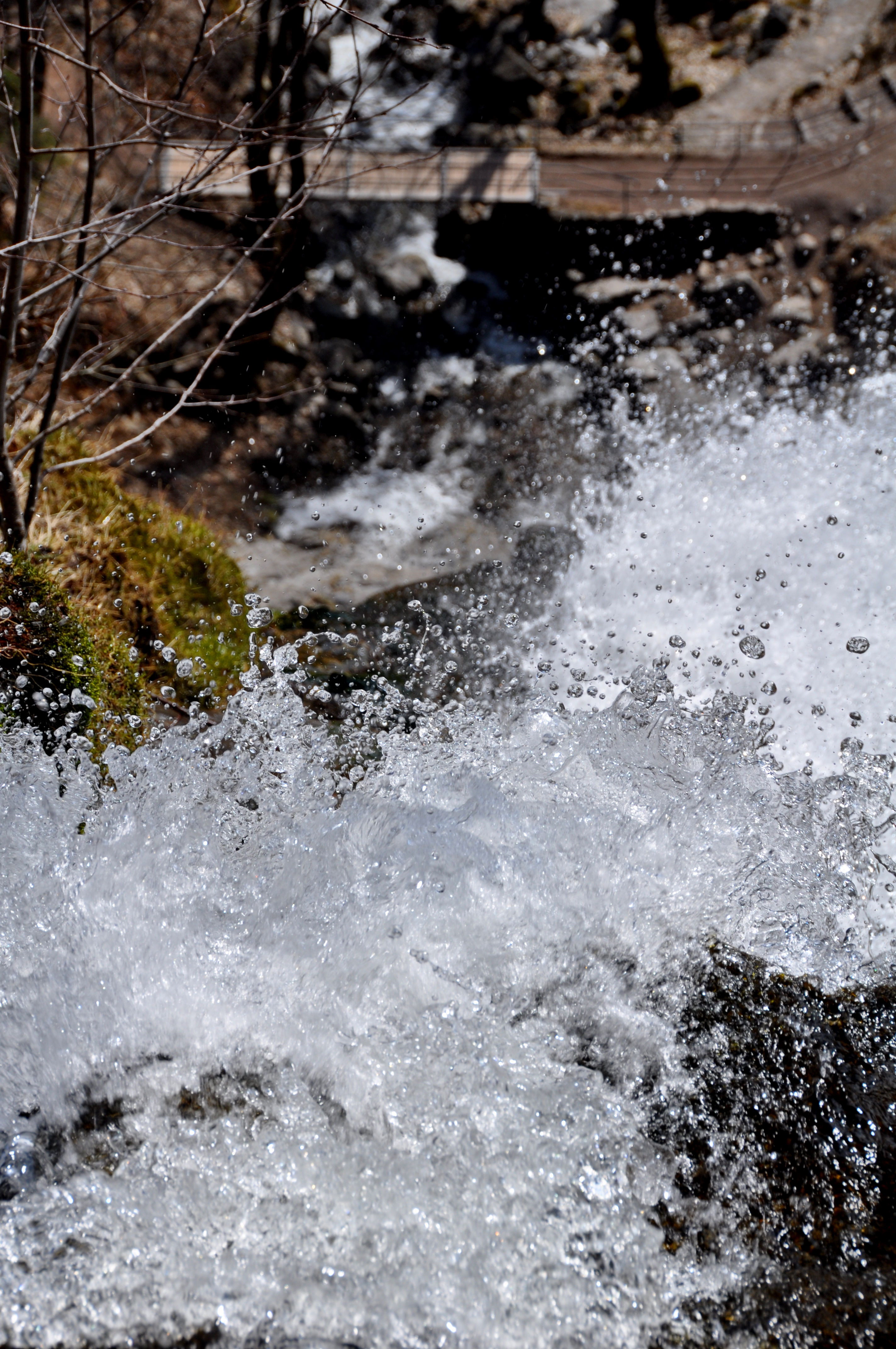
The Todtnauer Waterfall claims to be the highest natural waterfall in Germany, at 318 feet. It was a beautiful day and the waterfall is surrounded by great hiking trails.

Todtnauer Waterfall

We stopped by the winery in Freiburg, where one letter seemed to make all the difference in the world! Germans love to drink Schnapps and bottles can be purchased in all sizes and flavors, however, the bottles are often labeled as “Kirschwasser”. My sister and I are the only ones in the humble tasting room, but have been joined by the winery owner and his friend, who apparently stops by every afternoon around 5pm for a drink.

Needless to say, things were a bit awkward as the winery owner watched us and waited for our next selection. Running out of things to say, I point out how weird the name “Kirschwasser” is for Schnapps. He gives me a sideways look, so I try to clarify. You see, to me “Kirschwasser” means “church water”. I explain that, in my opinion, it is ironic that such strong alcohol be called “church water”. He still doesn’t seem to quite get what I am saying.

As he stepped away to refill our glasses, I got out my phone and typed in “church” to try and determine what the problem was. Oh….I see!  “Church” is Kirch in German. Kirsch in English is “cherry”. When he came back I had to eat my foot, auf Deutsch. “Cherry water” makes so much more sense! The words sound almost identical, by the way, especially after some wine has made the tongue muscles slightly (or greatly) apathetic. It would be like trying to walk an English-language-learner through the correct pronunciation of “desert” and “dessert”. I think they forgave my errors, as we went home with several bottles of wine and promises of returning!

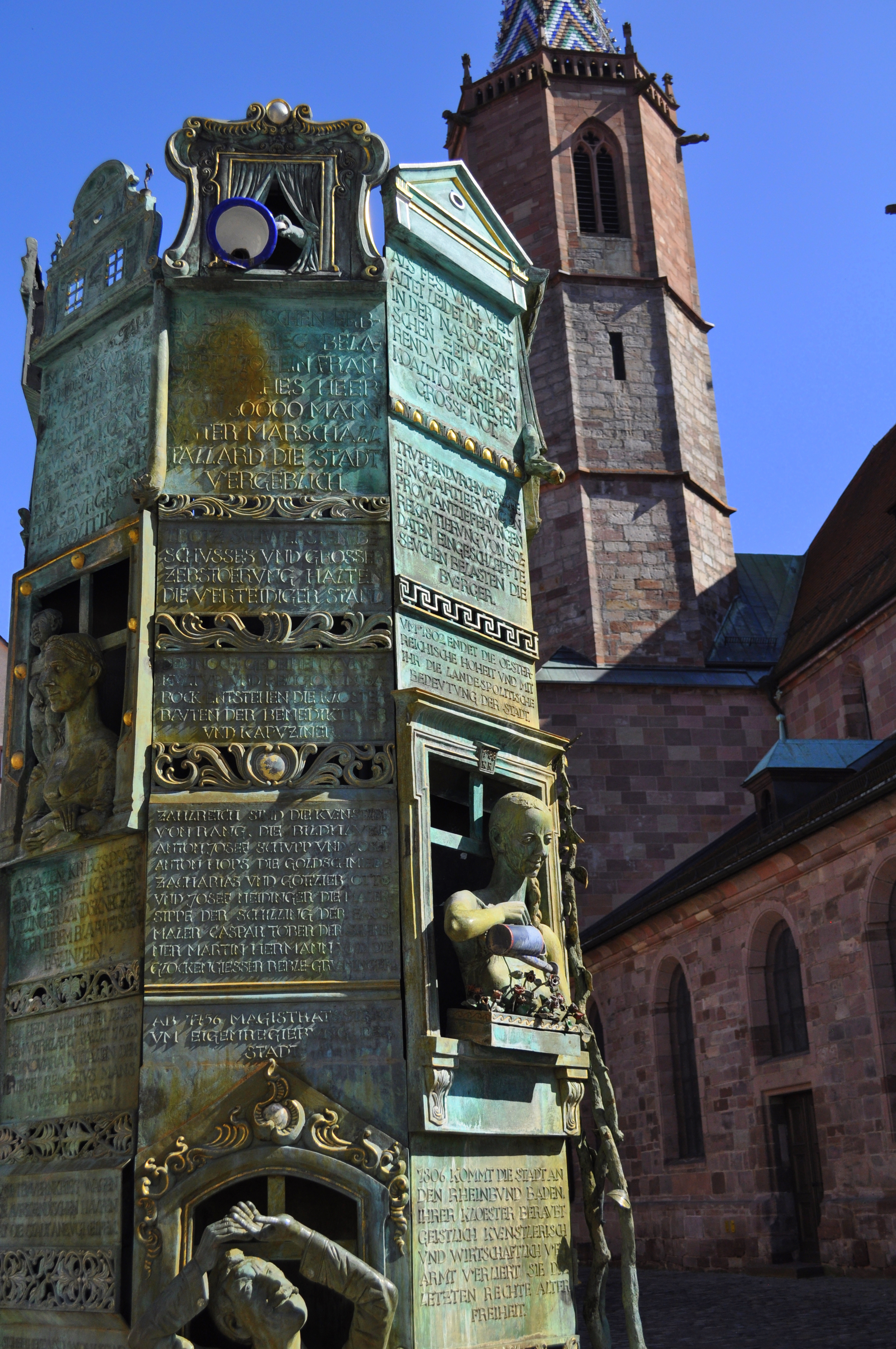
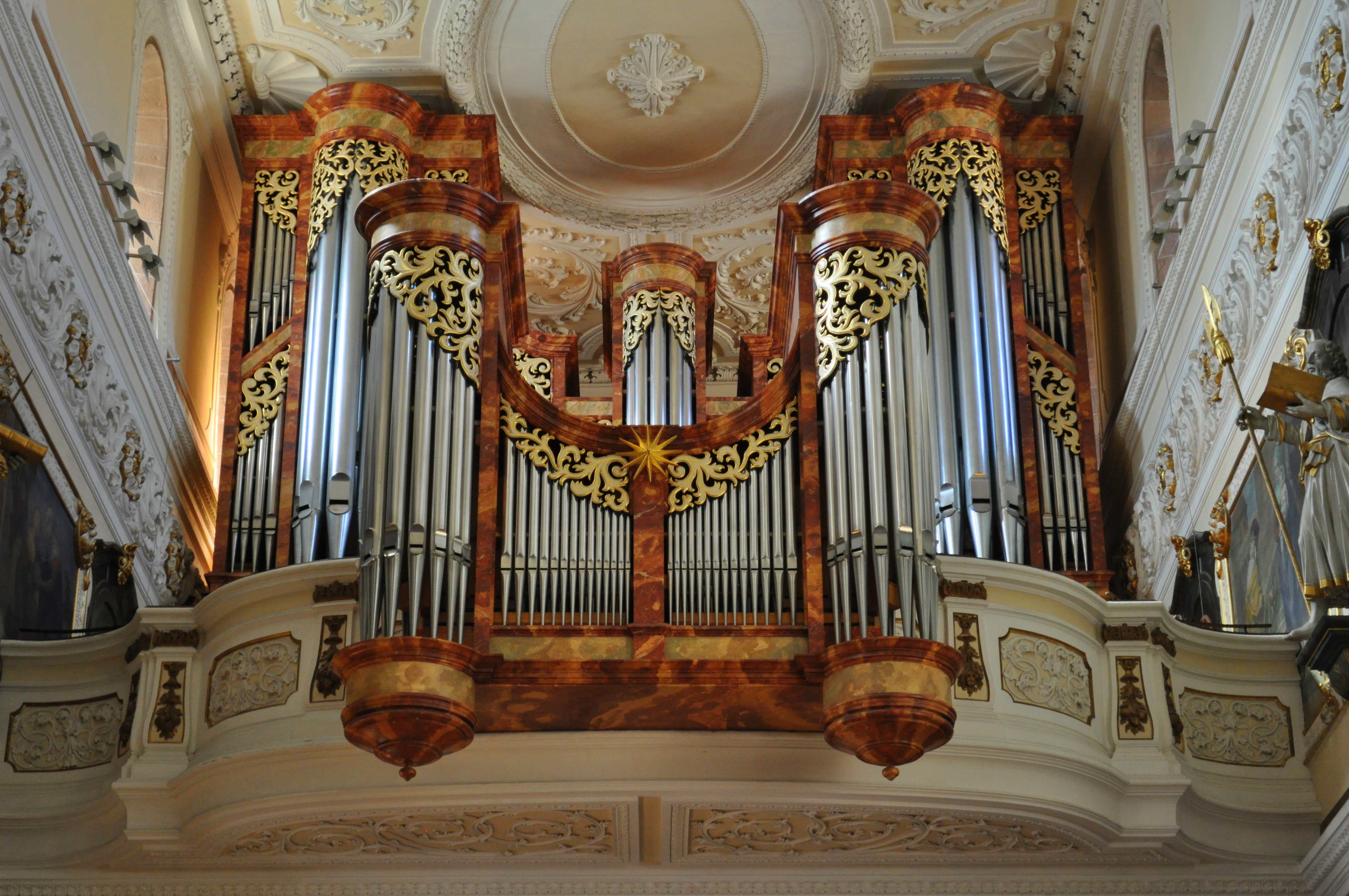
We toured the forest oasis of Villingen, which has a fountain on the Münsterplatz retelling the history of the town and a gorgeous organ inside the Münster.

Villingen Fountain
Villingen Organ

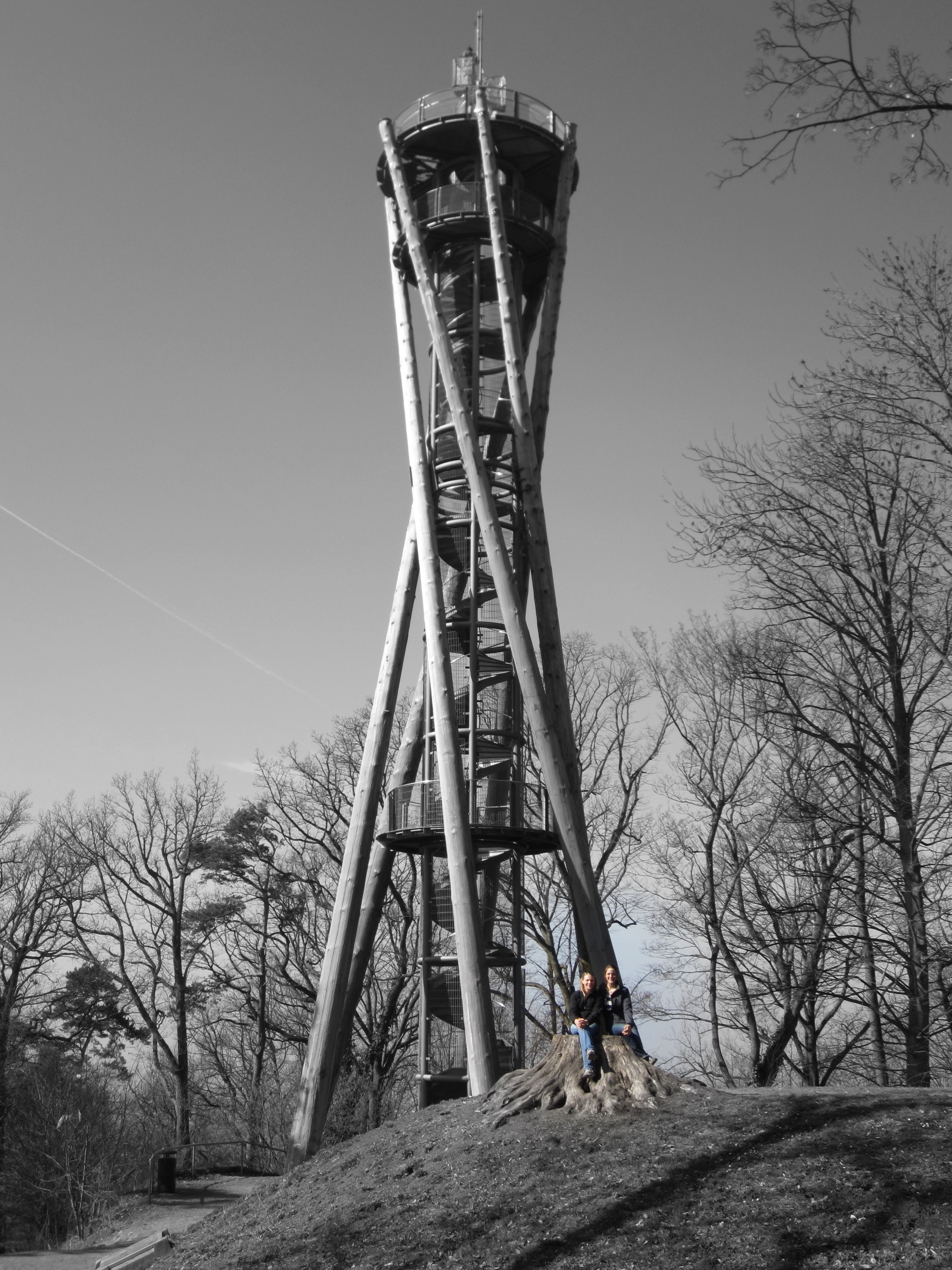
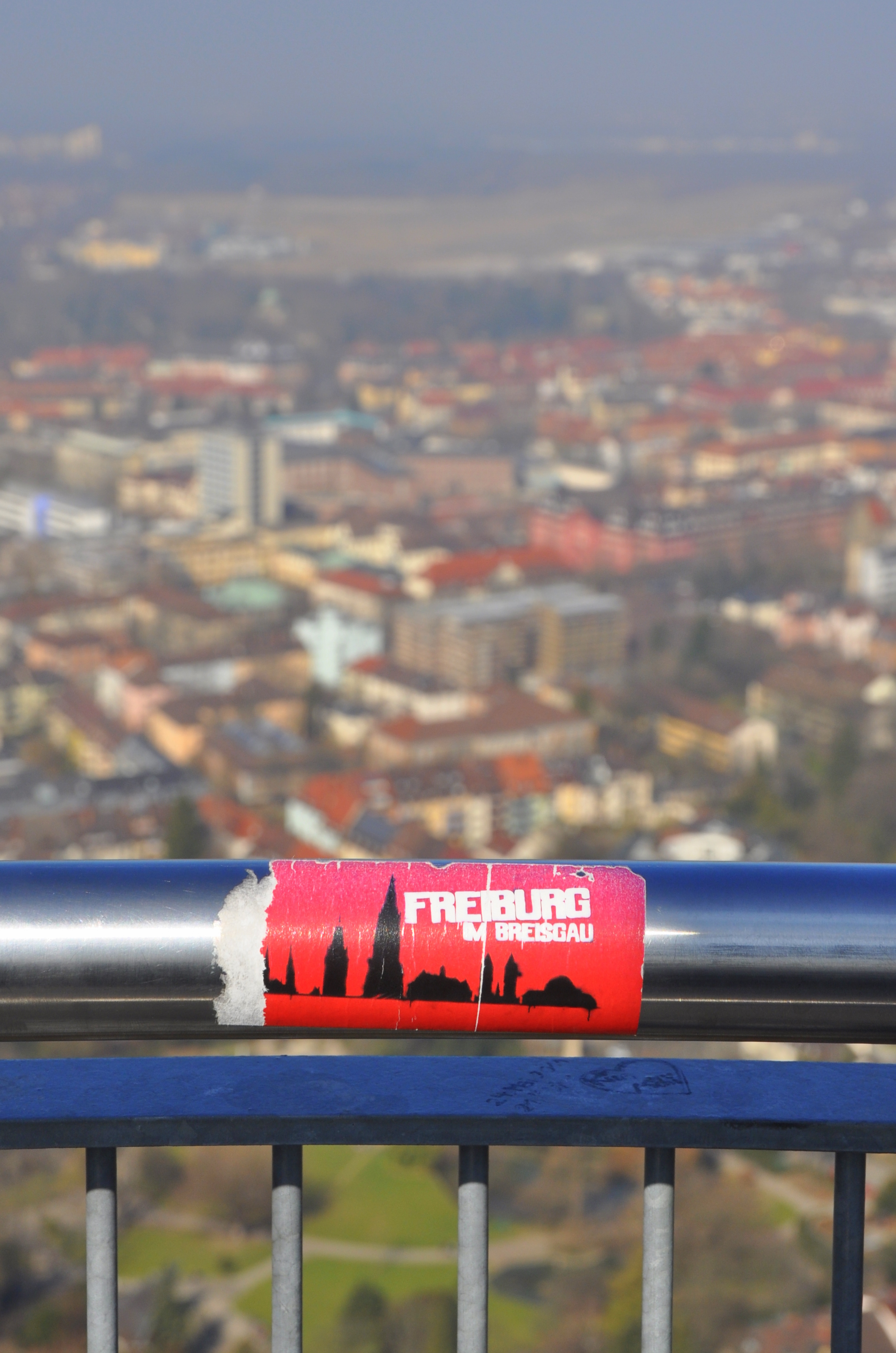
During our last day in Freiburg together, we decided to climb the “Roßkopf”. One serious hike and over 150 stairs later we made it to Freiburg’s highest point and best scenic outlook.

Freiburger Turm
Freiburg im Breisgau

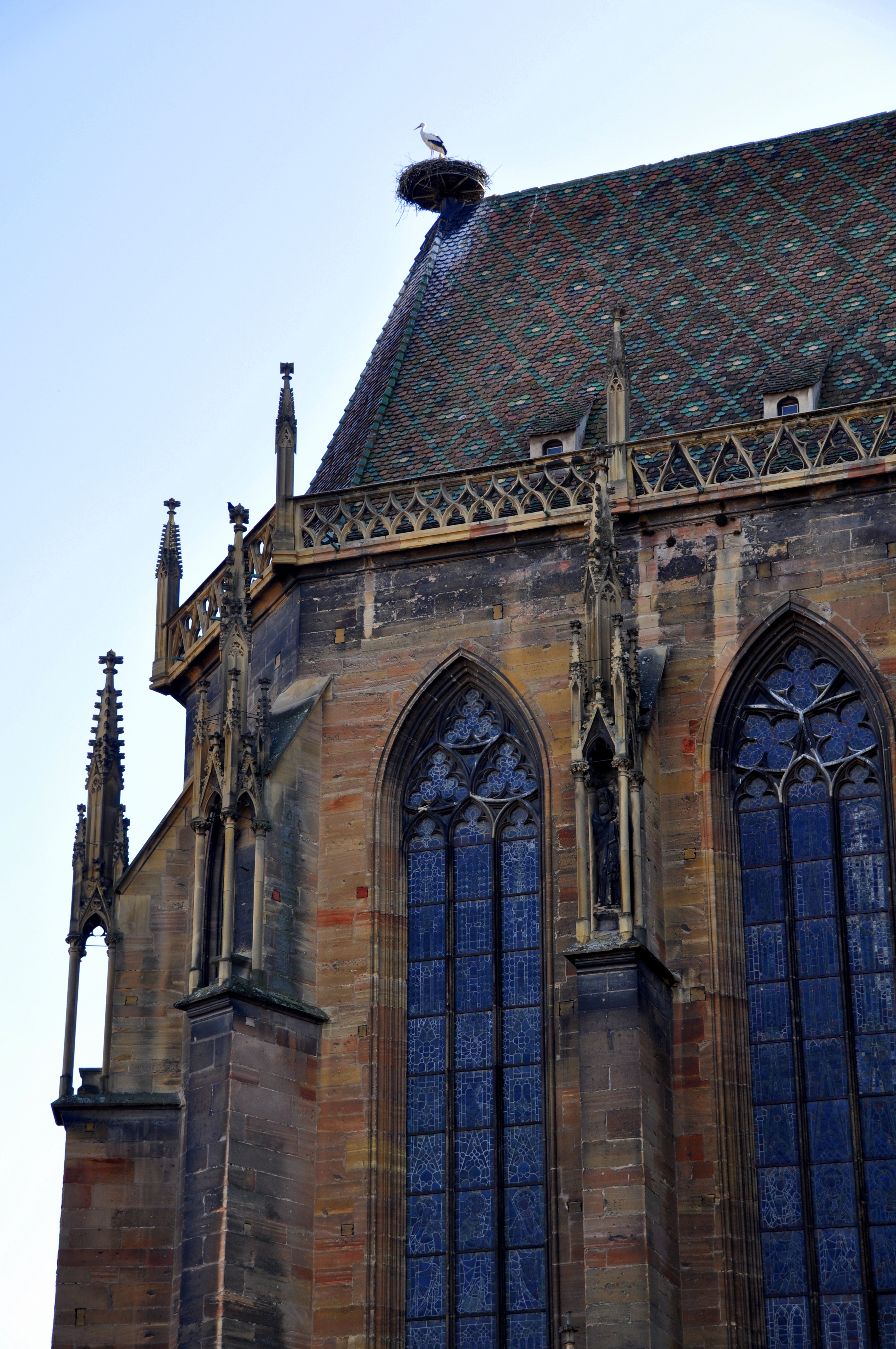
In France, we caught a glimpse of the Stork that lives on top of the Colmar Münster. I wonder what poor sap has to climb up there and clean up after this feathered mascot!

Colmar Stork

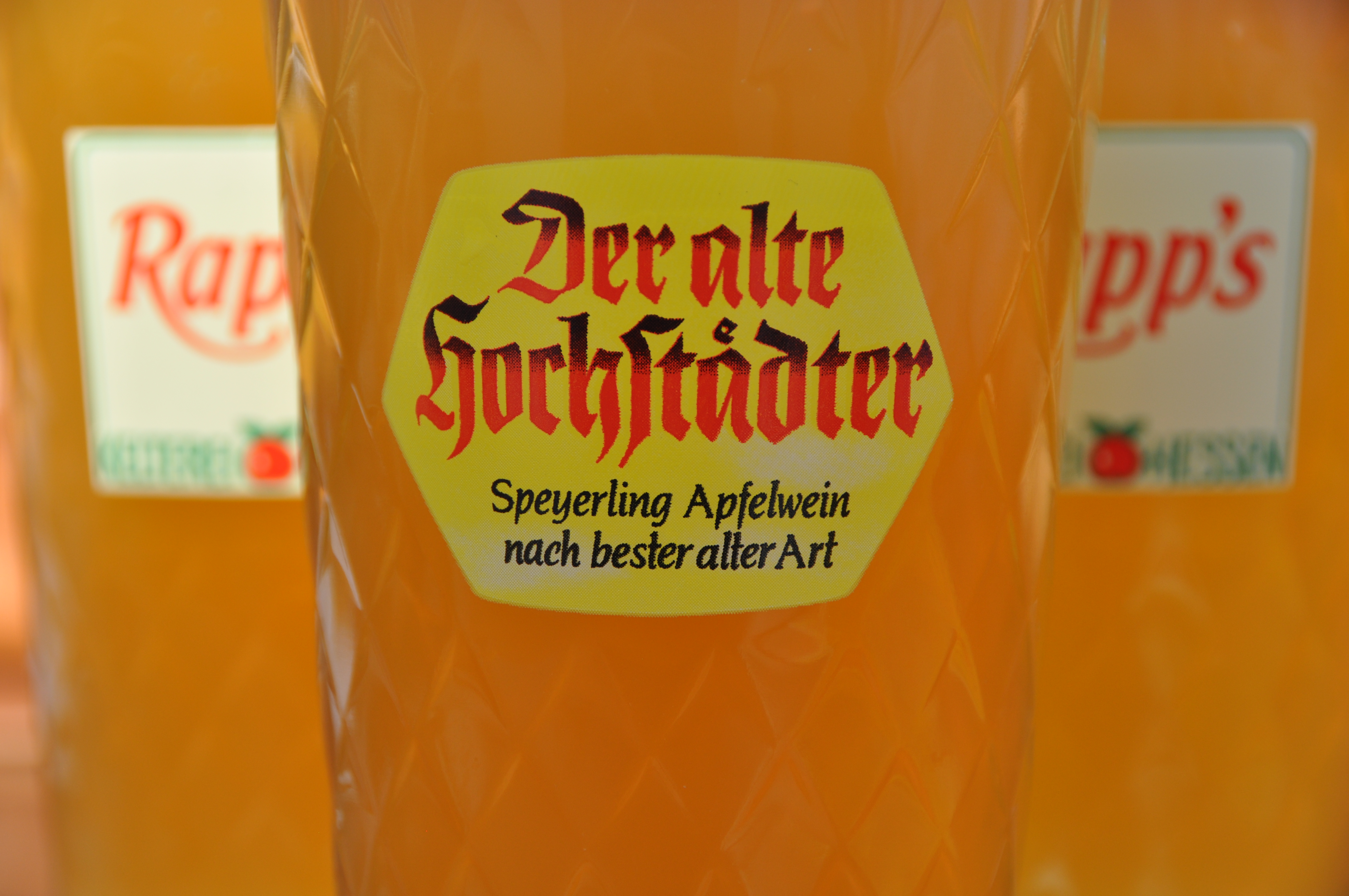
Finally, we headed to Frankfurt and enjoyed local fare of Apfelwein (apple wein) and Handkäs mit Müsik (hand cheese with music). I know we have been on the theme of “highest things” here, but Handkäs definitely wins the “most disgusting cheese” award!

Apfelwein

Great visit little sis! Way to knock out those superlatives!

Basel, Switzerland – Morgenstreich

Wenn’s am Mäntig 4i schloot. When the clock strikes four on Monday morning…

…Basel’s Fasnacht begins!

Americans call it “Marti Gras.” The majority of Europe calls it “Karneval,” the Germans call it “Fashing,” the Swiss call it “Fasnacht.”

Despite the fact that Lent has already begun, Basel kicks off the largest Fasnacht celebration in Switzerland the Monday after Ash Wednesday, and launches the Swiss into “die dreei schenschte Dägg” (the three most beautiful days).  Morgenstreich is the first event of Fasnacht, starting at exactly 4:00am on Monday. Despite having classes several hours later, Joe and I headed to Basel around midnight to see what the Swiss were up to!

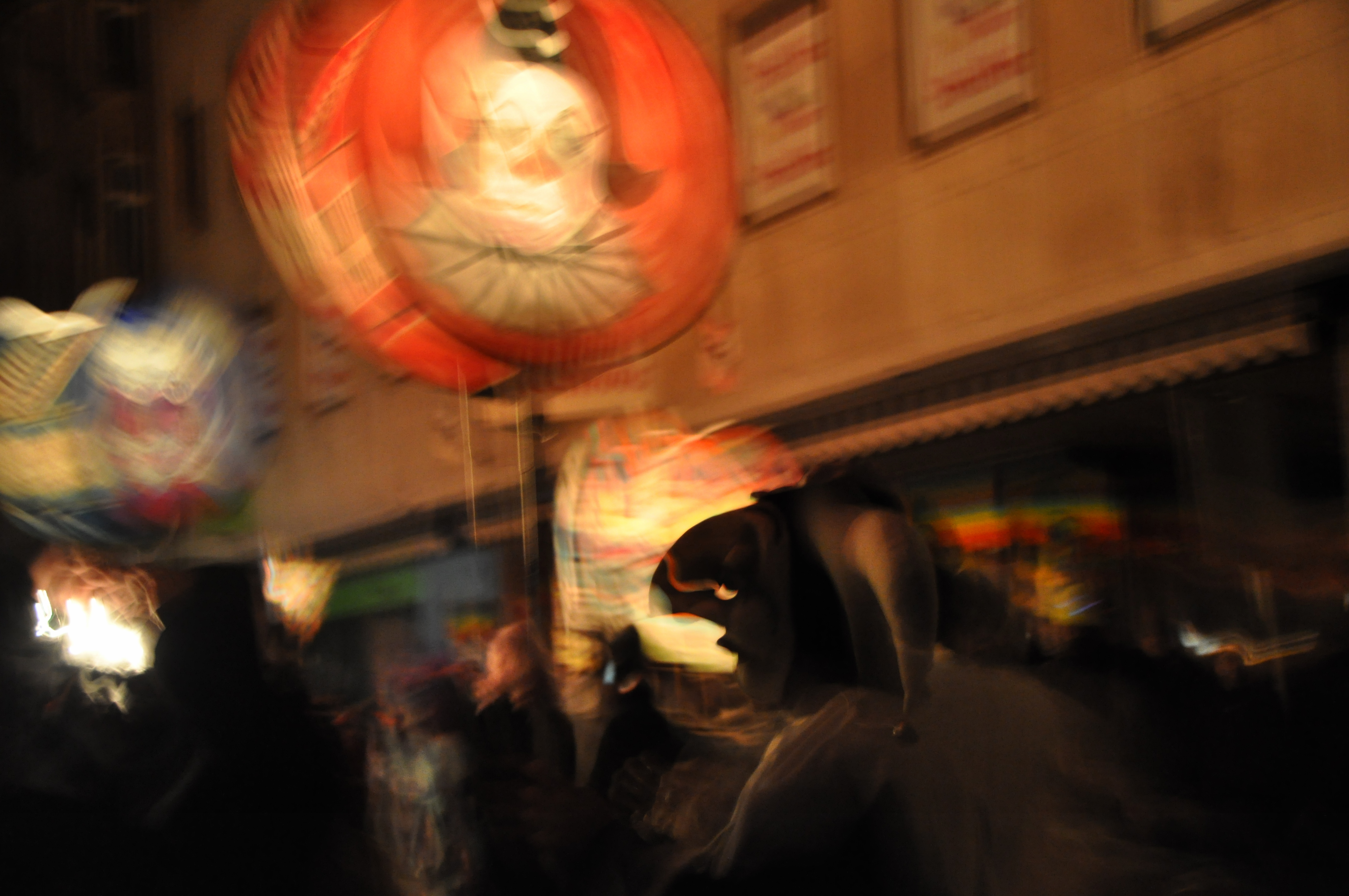
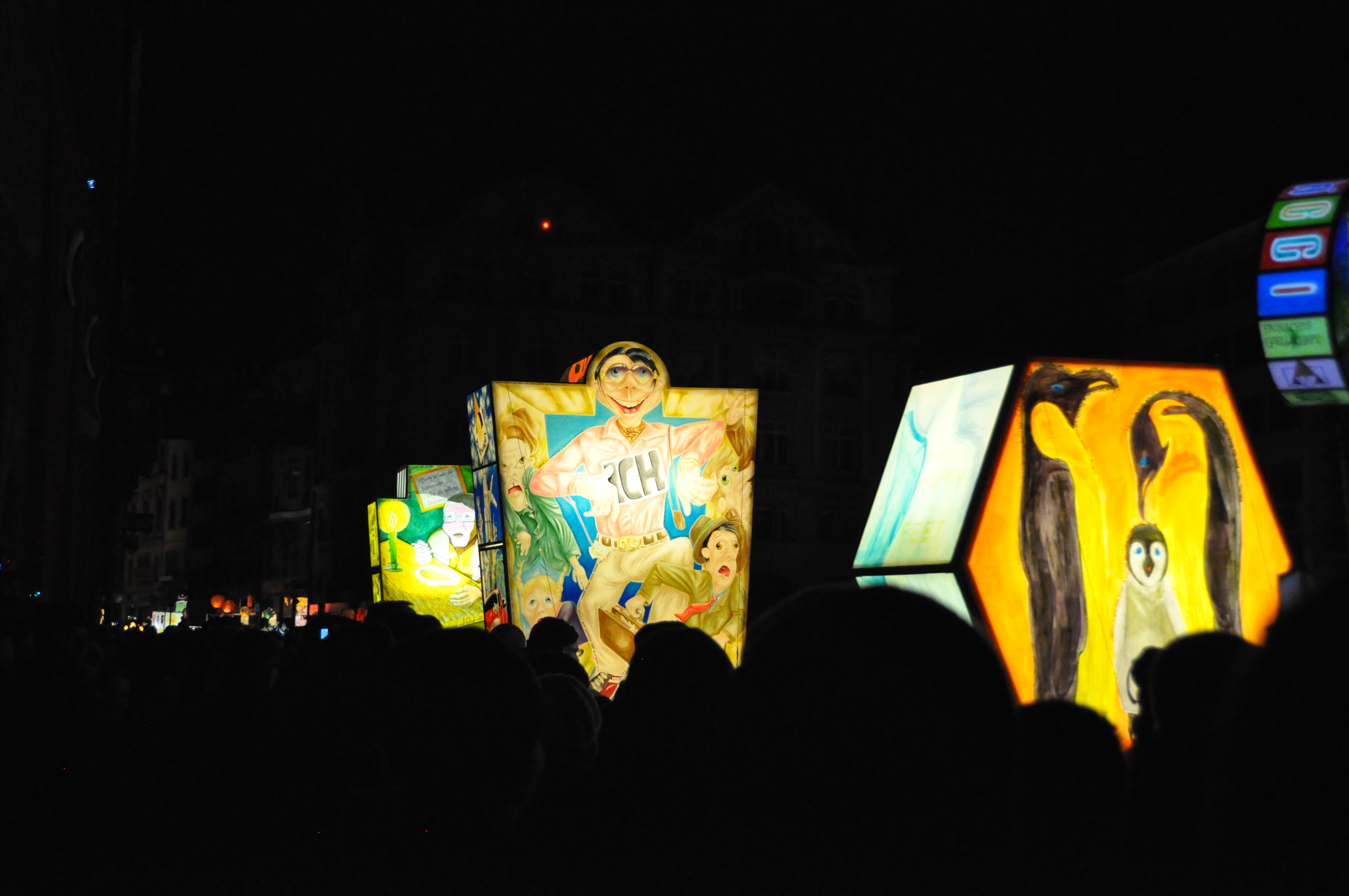
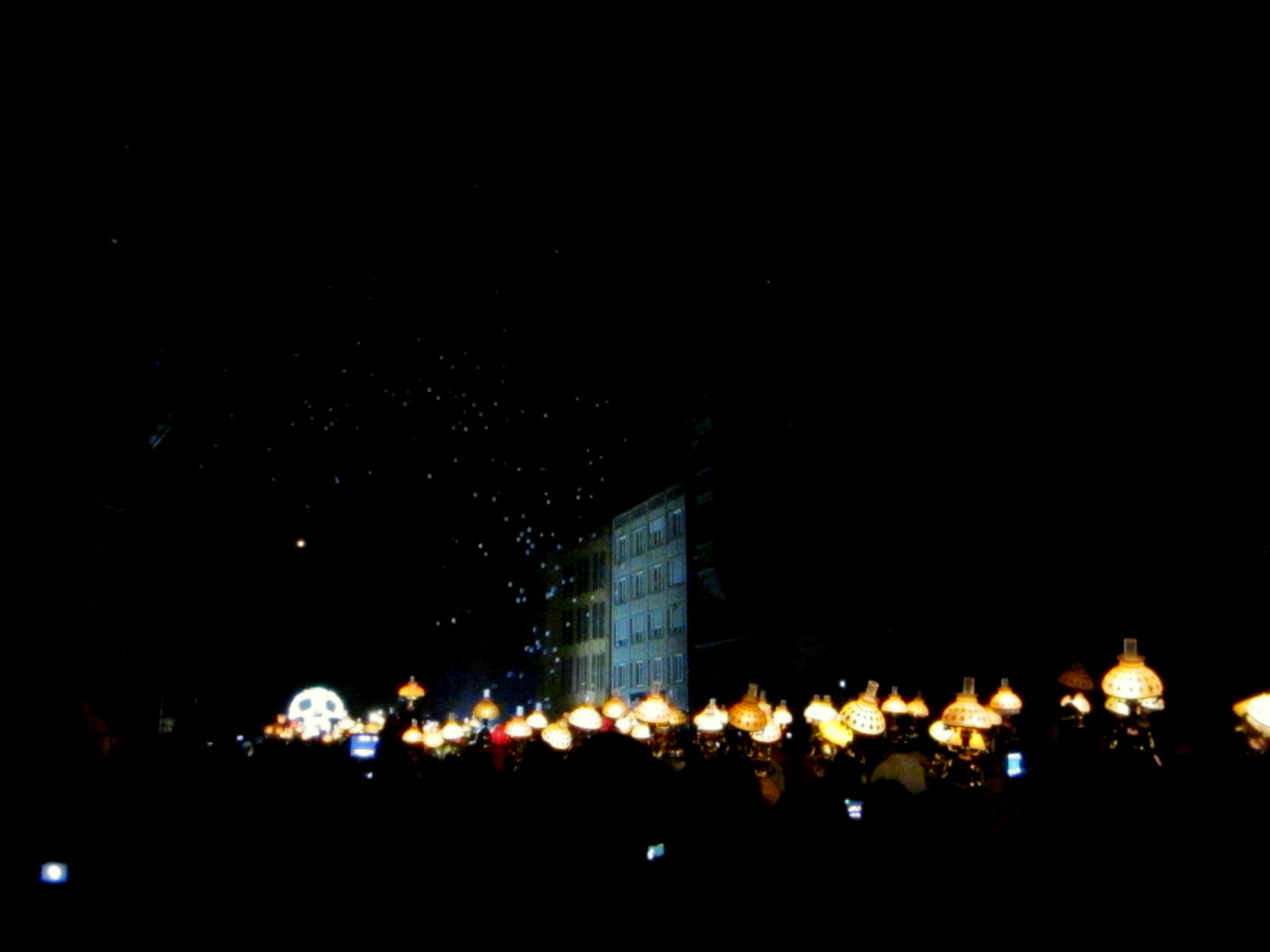
The celebrations last for exactly 72 hours, so immediately after the fourth toll, all of the lights in Basel’s city center are turned off and the “Cliquen” fill the city with light and music. Each Clique, or group, decorates a large canvas lantern with rhymes or paintings that are relevant to local events of the last year and each member of the Clique wears a small lantern on top of his/her head. These are the only lights that are used within the city until sunrise, and even flash photography is forbidden.

Trying to capture this unique event on film without a flash was, needless to say, quite challenging. However, one can always find intrigue within the blur.


I can’t say that I understood all the references being made on the lanterns, but it was definitely a unique festivity.


One Clique wore literal “lanterns” on their heads, which provided enough light to enjoy the balloon release.


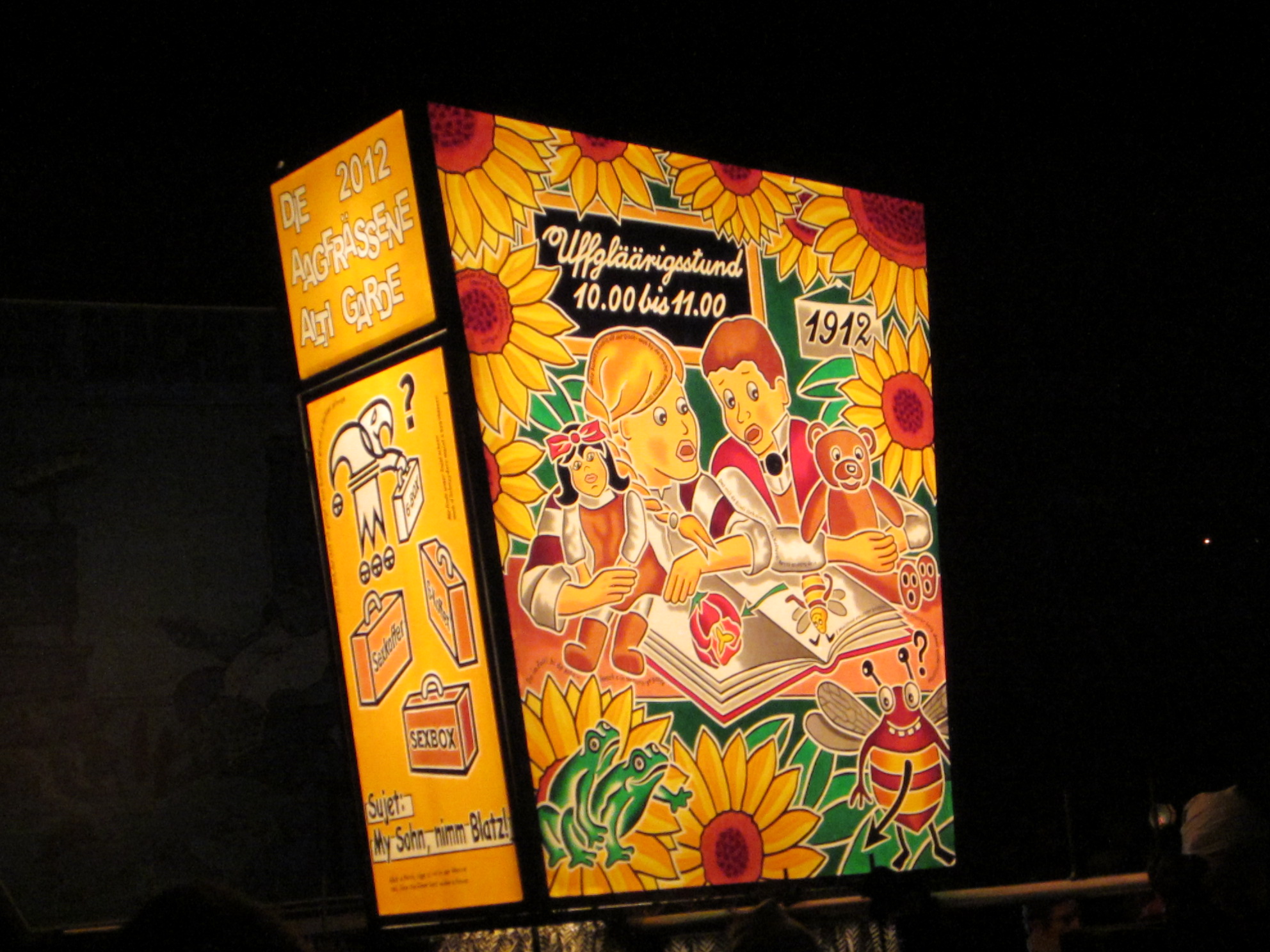
Then there was this lantern, depicting 1912, which looked all innocent and whatnot…

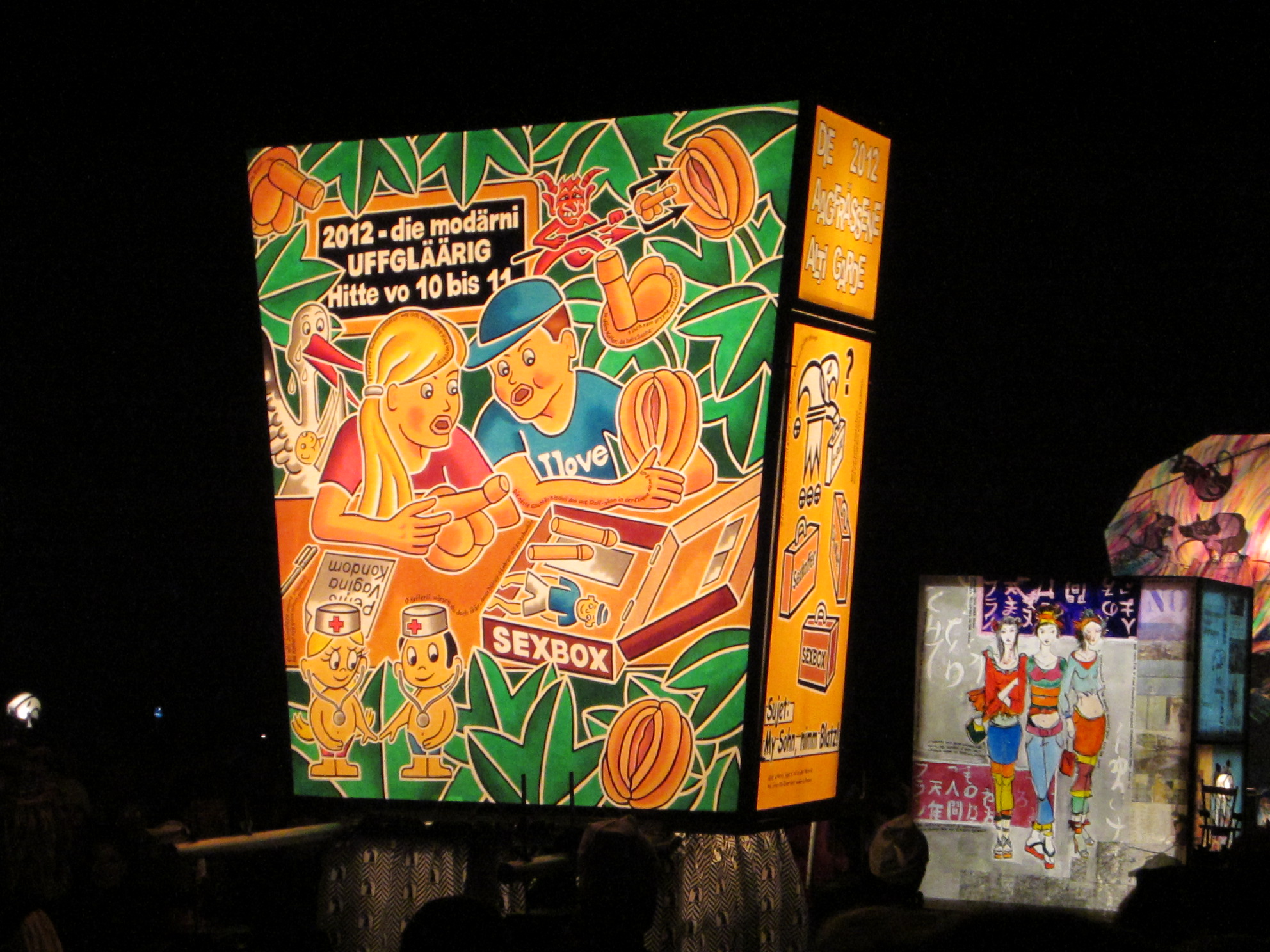
…until we turned around and deduced how the Swiss feel about adolescence in 2012…


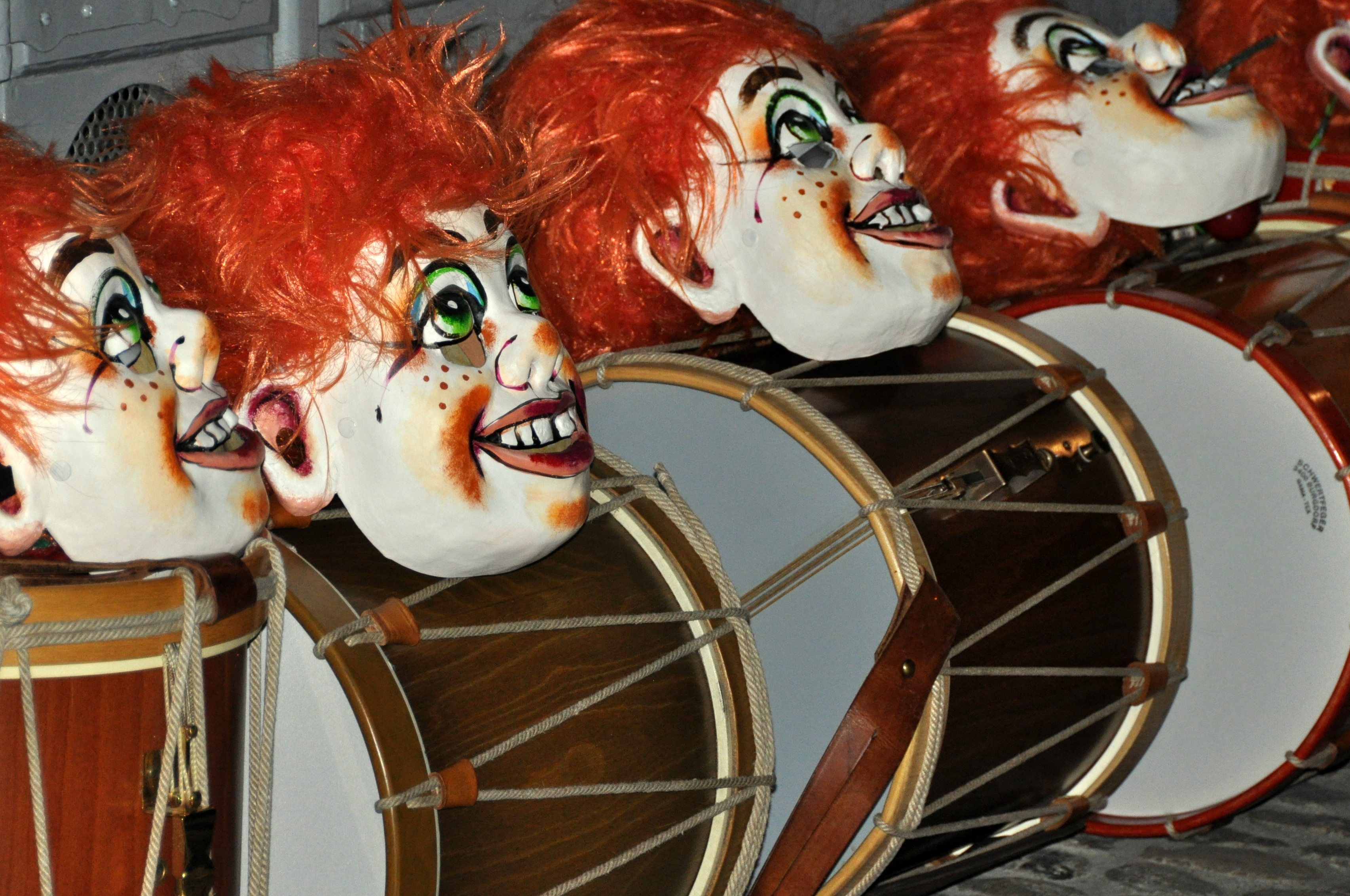
Eventually the “parade” breaks up, but each Clique continues to walk and play traditional Fasnacht songs, each choosing their own path through the city. Wandering from street to street, we enjoyed the drums echoing off the buildings or the tiny teetering of piccolos (the only two instruments used during Morgenstreich celebrations). Some Cliques had 75-100 members, others only 8-10, but both had the right-of-way and even a Vortrab (vanguard) to move spectators out of the way.

The Cliques can stop and take breaks whenever they want, but they should not reveal their identity, which breaks the traditions of Fasnacht. How these guys made it in or out of their “resting place” is unknown!


As the sun rose over the Rhine, Joe and I took the train back to Germany. We successfully made it to and through class! Who says all-nighters are only for college kids?!