Nataleira Village, on the upper eastern shore of Viti Levu would be our base for researching and working for the next few weeks. Fondly described as a “third world frontier town on the edge of the jungle” by our Country Director, Nataleira is actually on the wealthier side of the scale when compared to other Fijian villages.
Nataleira is considered “wealthy” because the village owns an Eco Lodge, the only place for “tourists” to stay in the entire region. Excessive quotation marks are required because I am using these terms in a very generous and relative manner. For example, there is no store or “shopping” possibilities in Nataleira. One would have to take the bus about 30-40 minutes to get to a larger town with actual stores. The people get what they need from the land by growing their own plants and raising livestock, hence making the need for money, and the concept of “wealth”, a bit obscure.
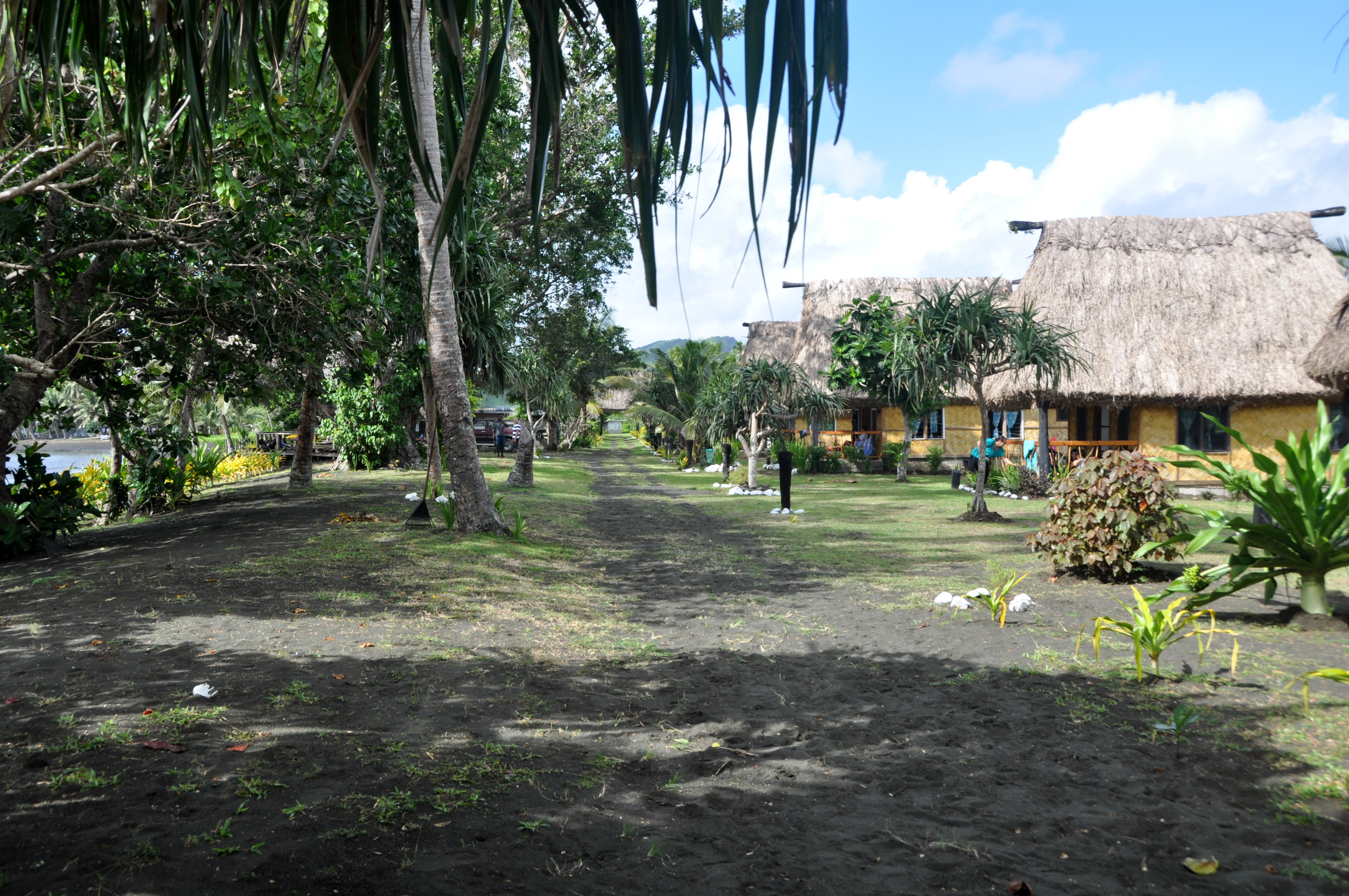
The Eco Lodge
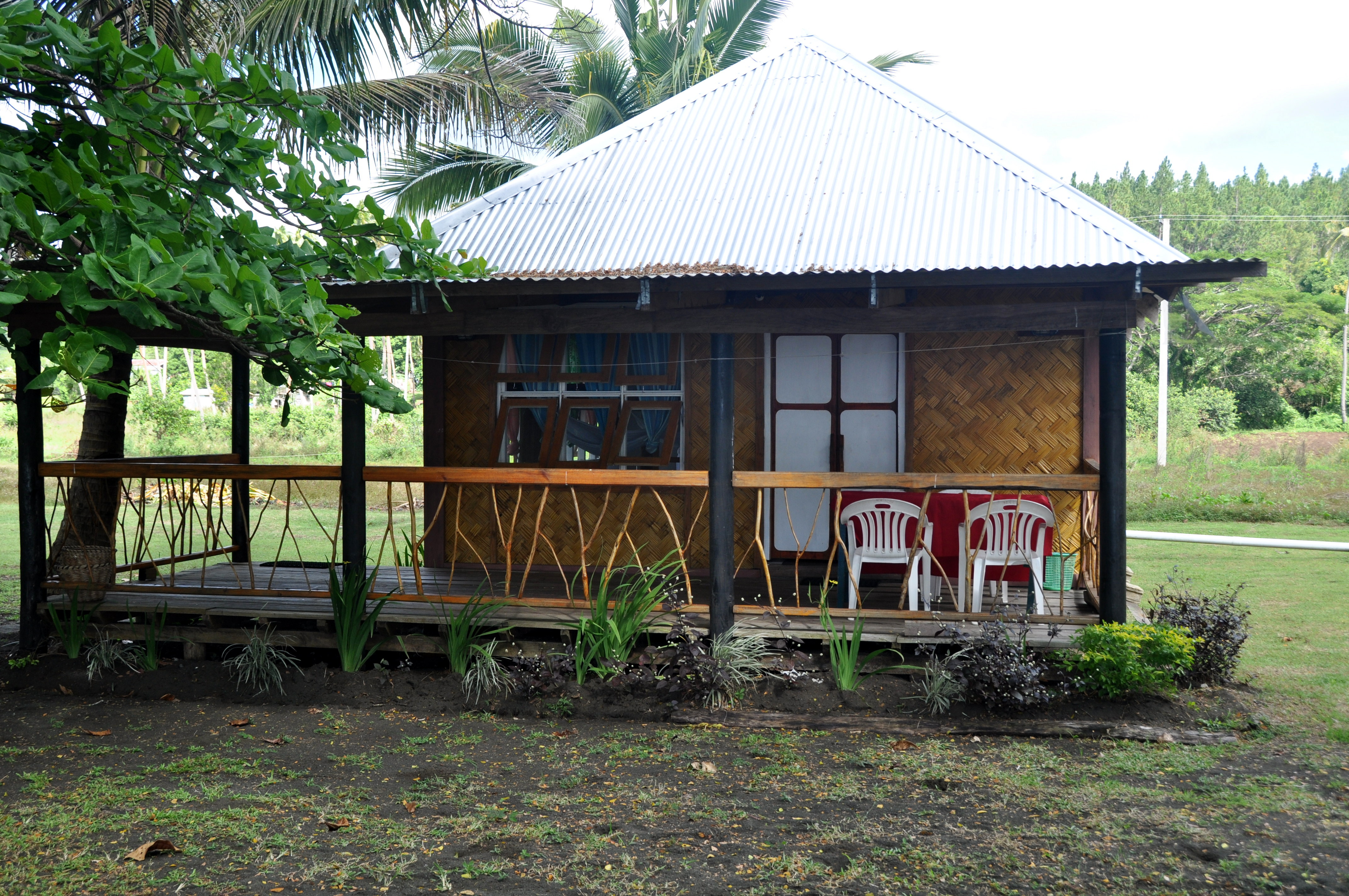
My bure – “home” for a few weeks!
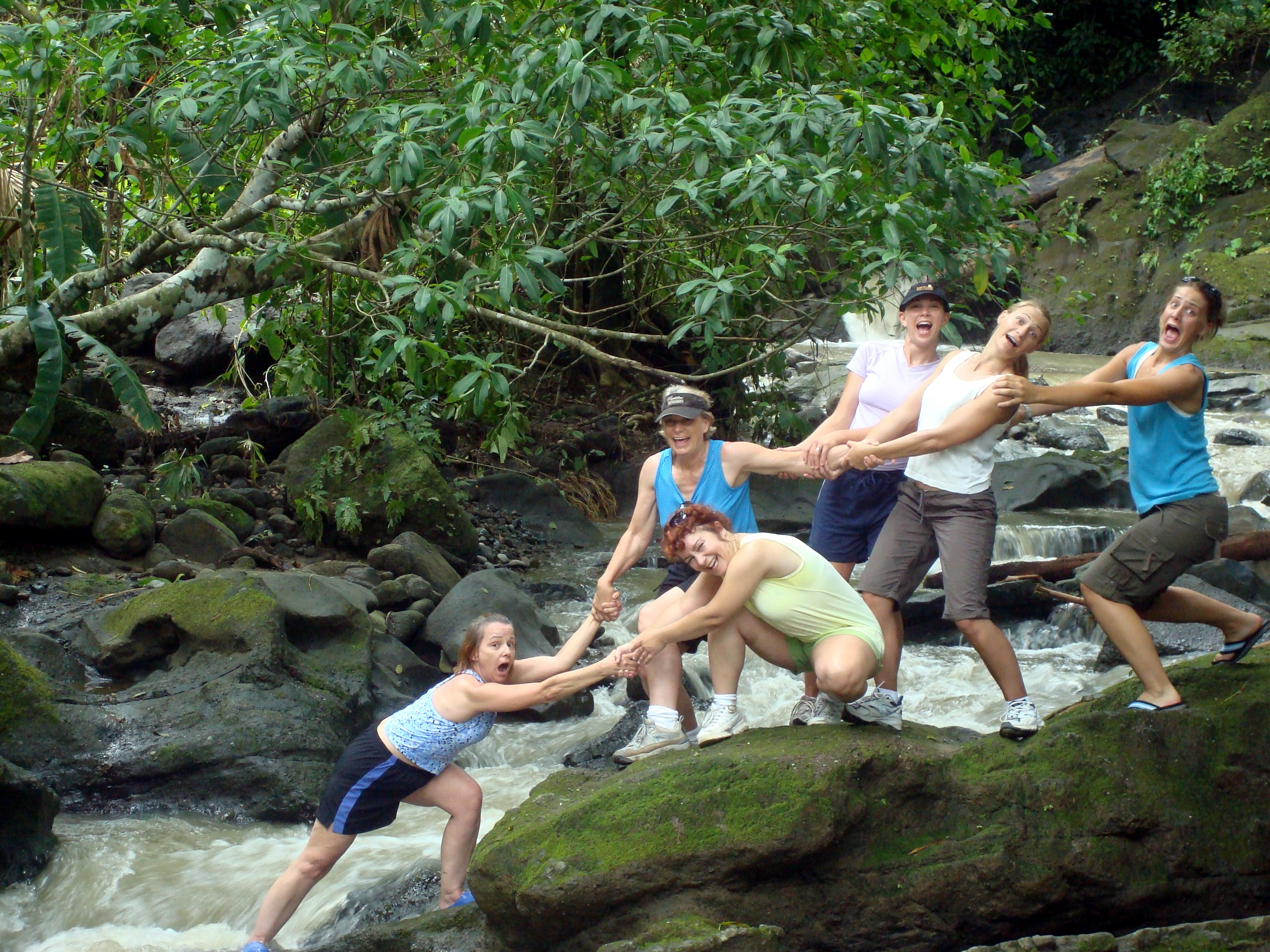
The villagers take turns working in the Eco Lodge, ladies doing the cooking and cleaning, men doing the physical labor (the entire lodge was built by the villagers). Despite the Eco Lodge as a source of income, the people live very simply, if not “poorly”. One day, a group of us hired two of the village ladies to walk us through the jungle so that we could swim by a waterfall. This provided us an opportunity to see the everyday life of the village (beyond the Eco Lodge).

Walking through the village. The church, the most important building in the village, is on the right of the road.
Everyone in Nataleira, and most Fijian villages in general, live in tin-sided shacks. There is no TV, no computers, no Internet, and only basic furniture…if any. I cannot confirm, with confidence, the presence of running water and/or plumbing. Electricity is a “probably”.
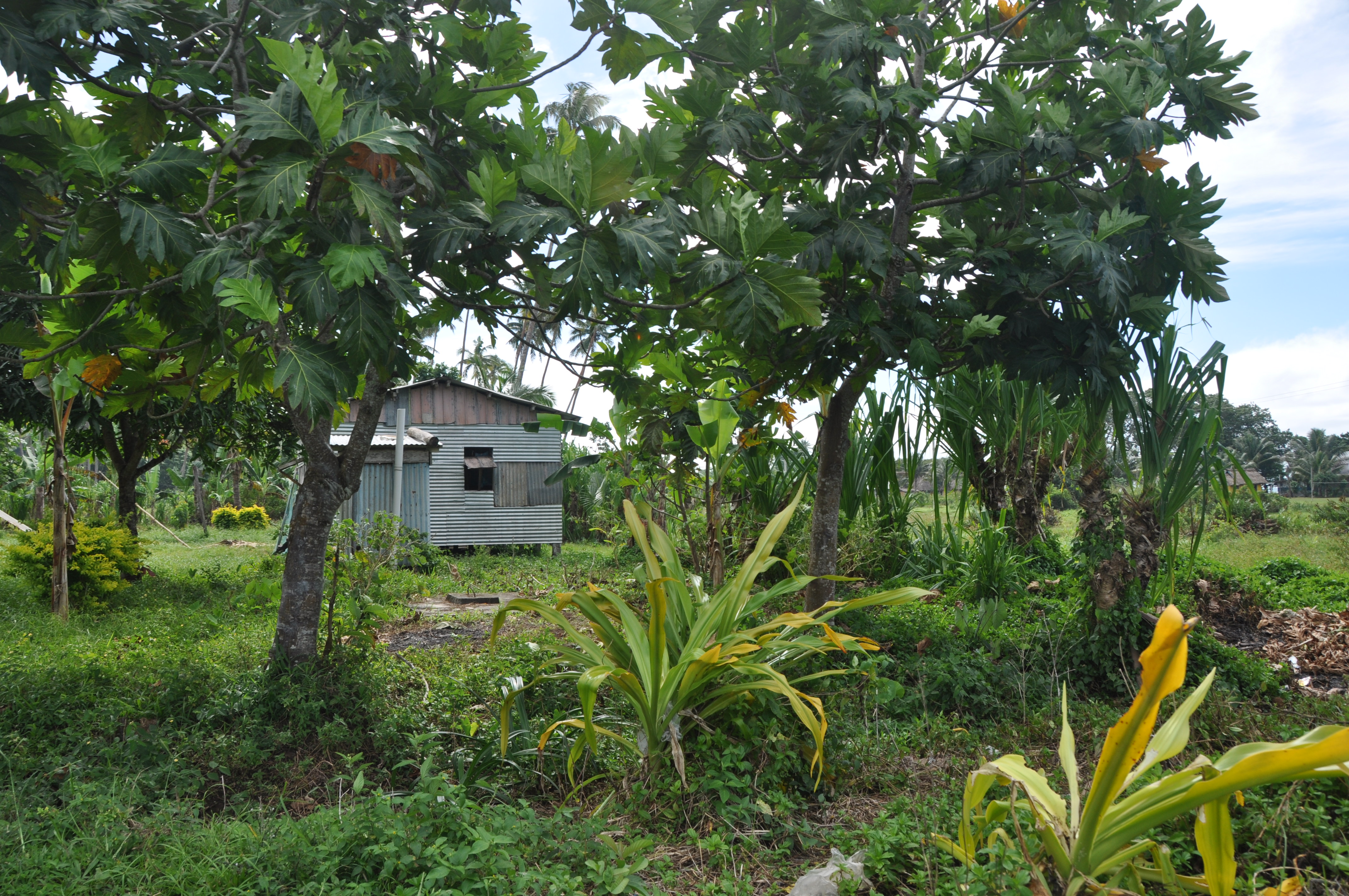
Jungle living
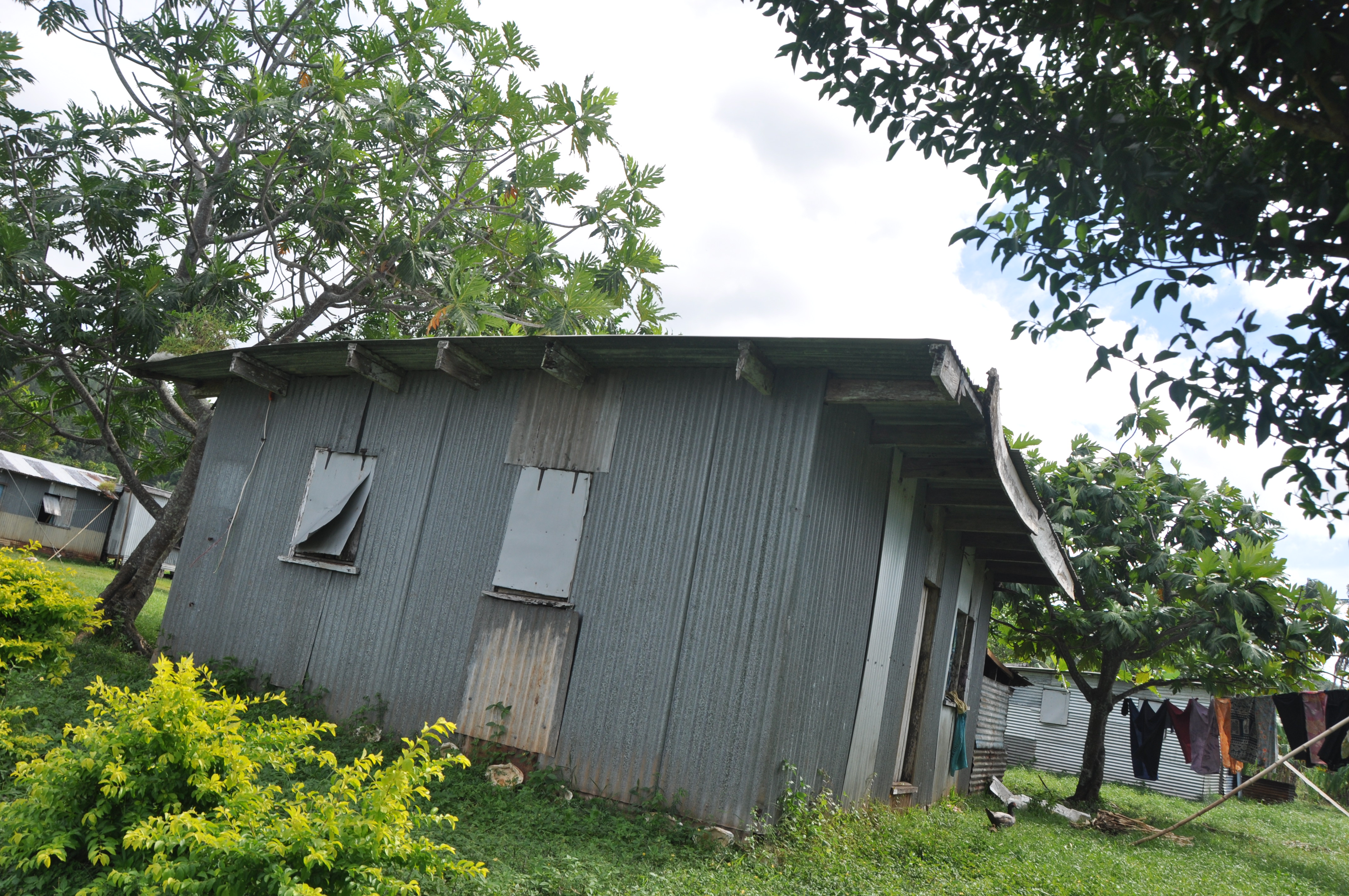
Someone’s house.
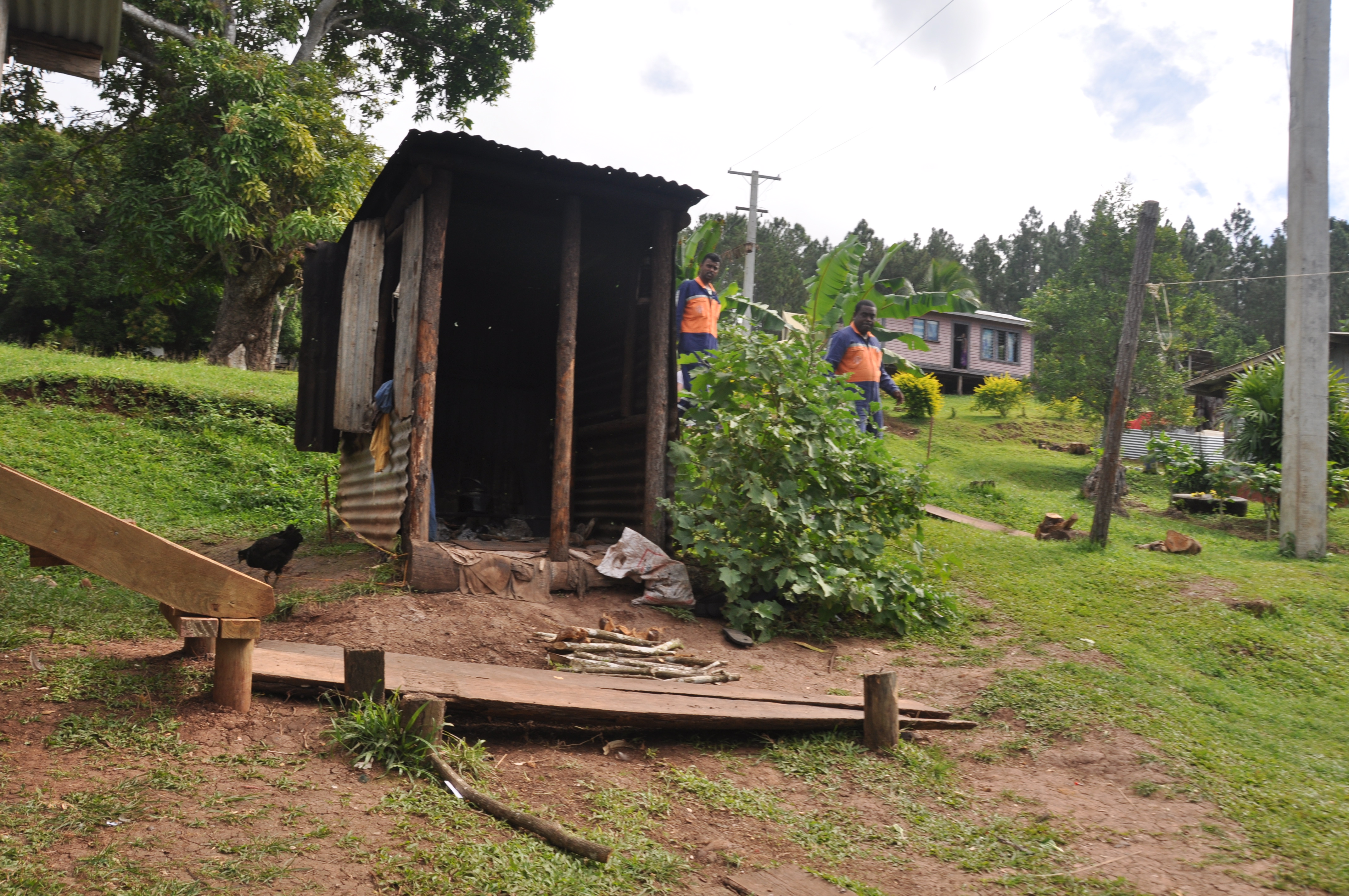
I have no idea what this shack was used for. It looked like cooking, but there could be another purpose.
I actually took all of these pictures as we were walking, by just clicking the shutter, while only the lens was sticking out of my bag. Stopping to snap photos felt wrong, as most “tourists” do not leave the Eco Lodge.
Fijian students attend school in English, and speak Fijian at home. All of the print material, media, and news throughout the country is in English. Hence, many Fijians have poor reading and writing skills in their native tongue. We had a Fijian language lesson during our stay and our two Fijian teachers often had to discuss how to write/spell the Fijian words correctly.
This is the school, with the children learning outside.
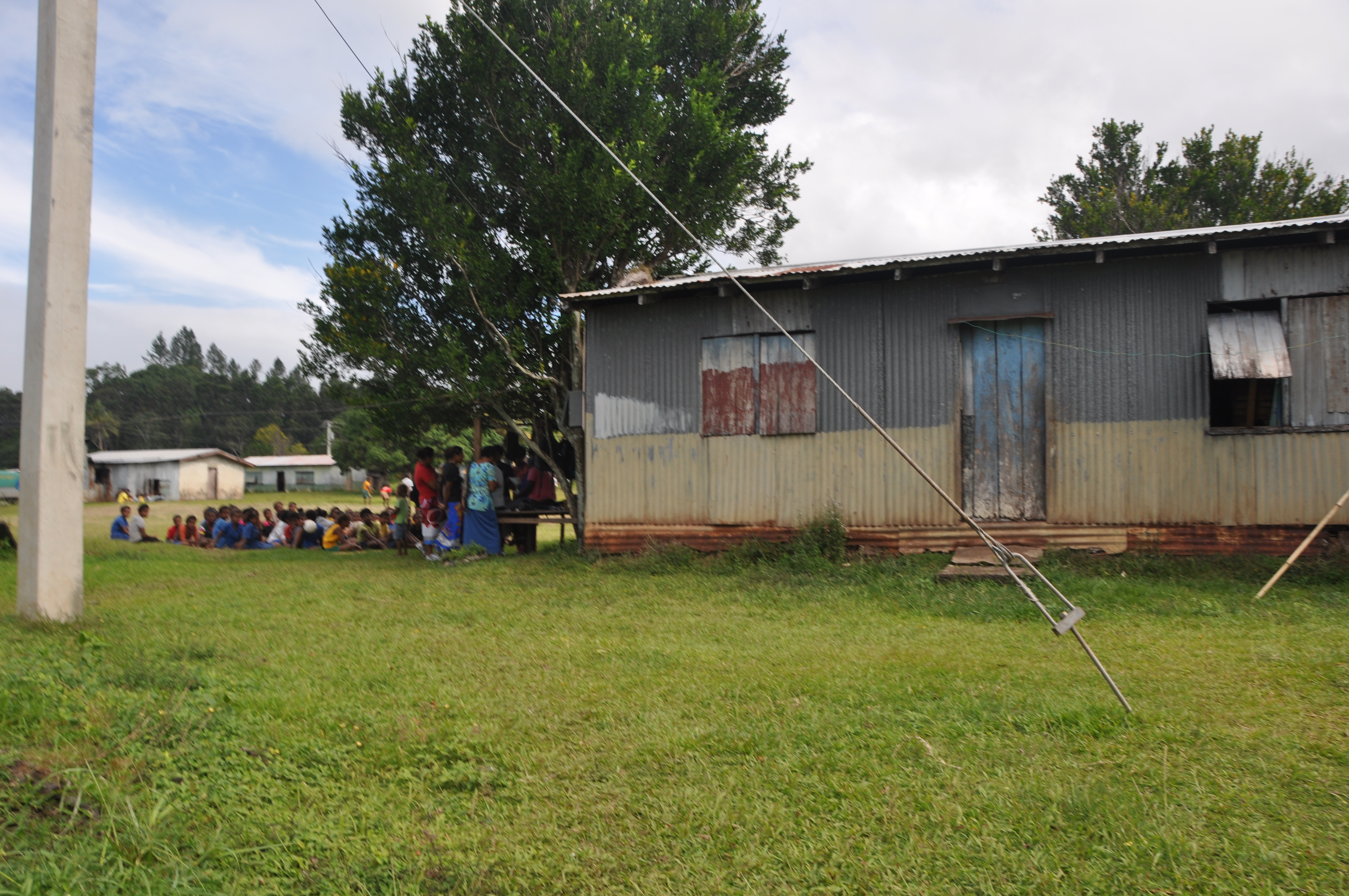
Village life is filled with traditions. Women are required to cover their knees and shoulders, men are not allowed to wear hats (only the chief can wear a hat), and sunglasses are also forbidden (only people with intentions of deceit hide their eyes behind glasses). No one (especially women) swims in a bathing suit…they instead just wear their clothes and then air dry afterwards.
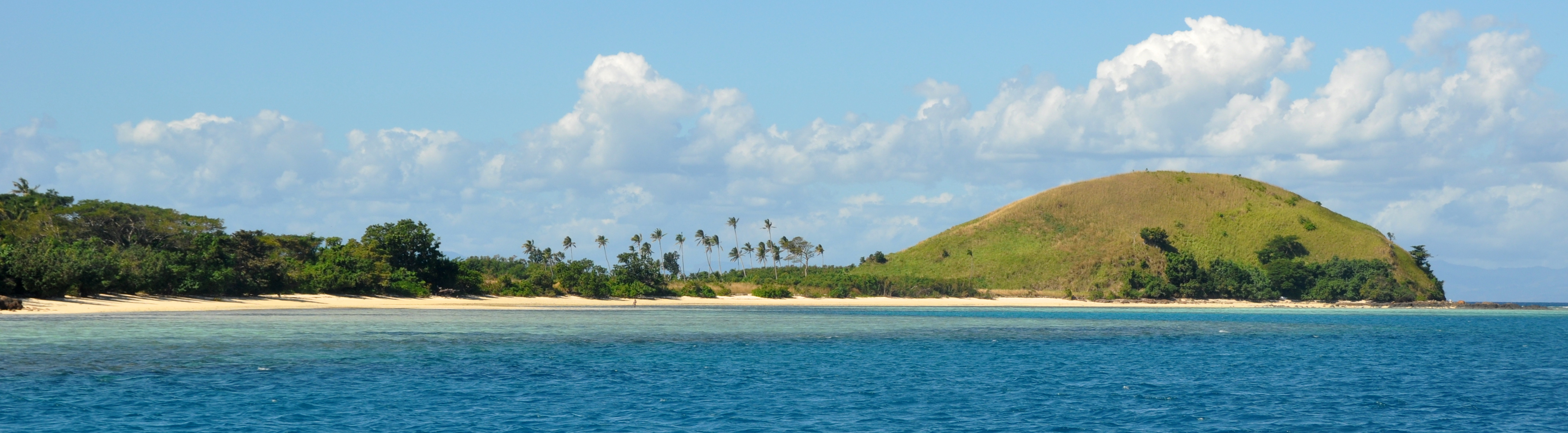
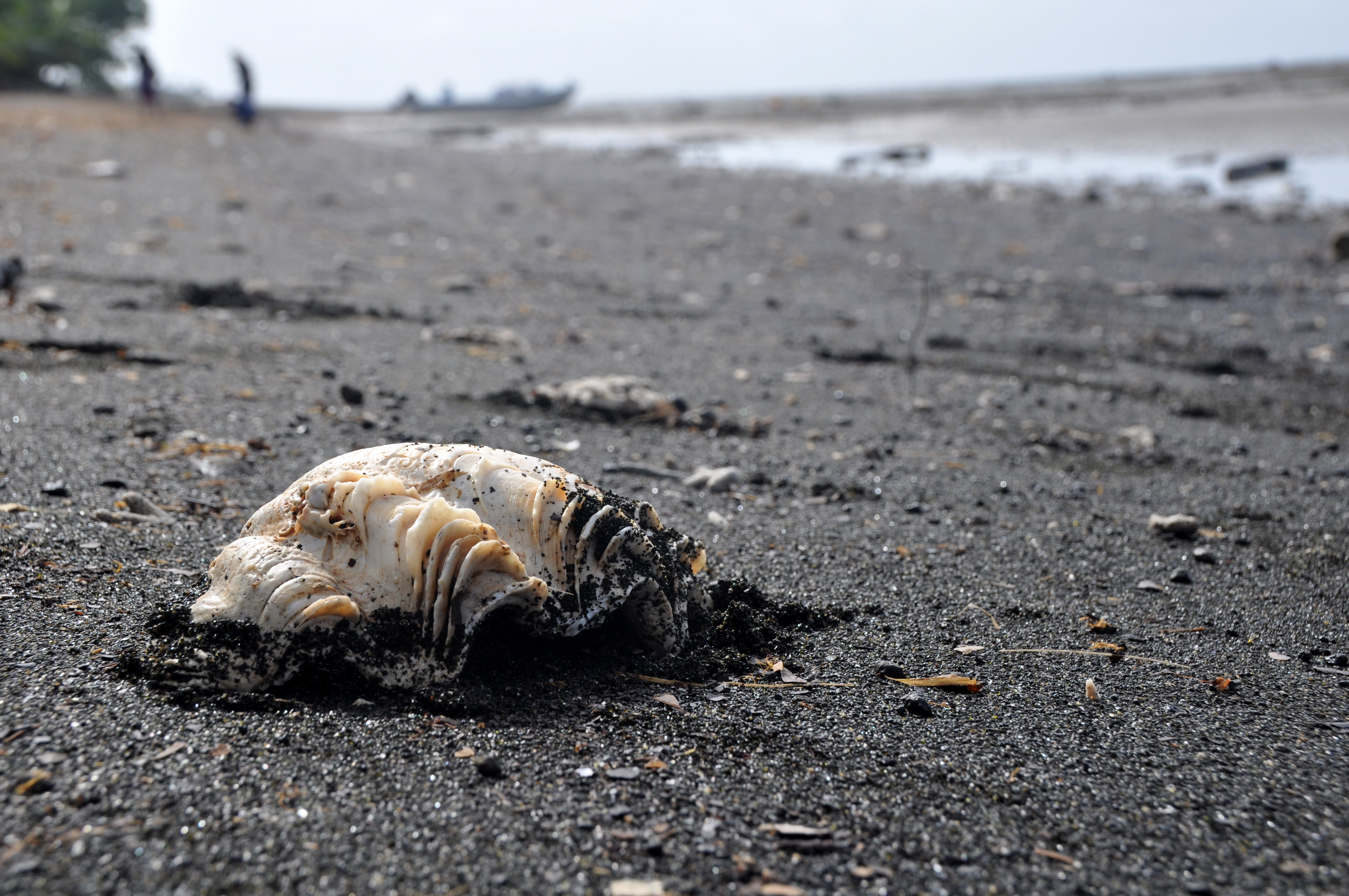
The shore along Nataleira, and the neighboring village Silana, is the only black sand beach in the entire country of Fiji. It is about 1 km long and a source of great pride for villagers.
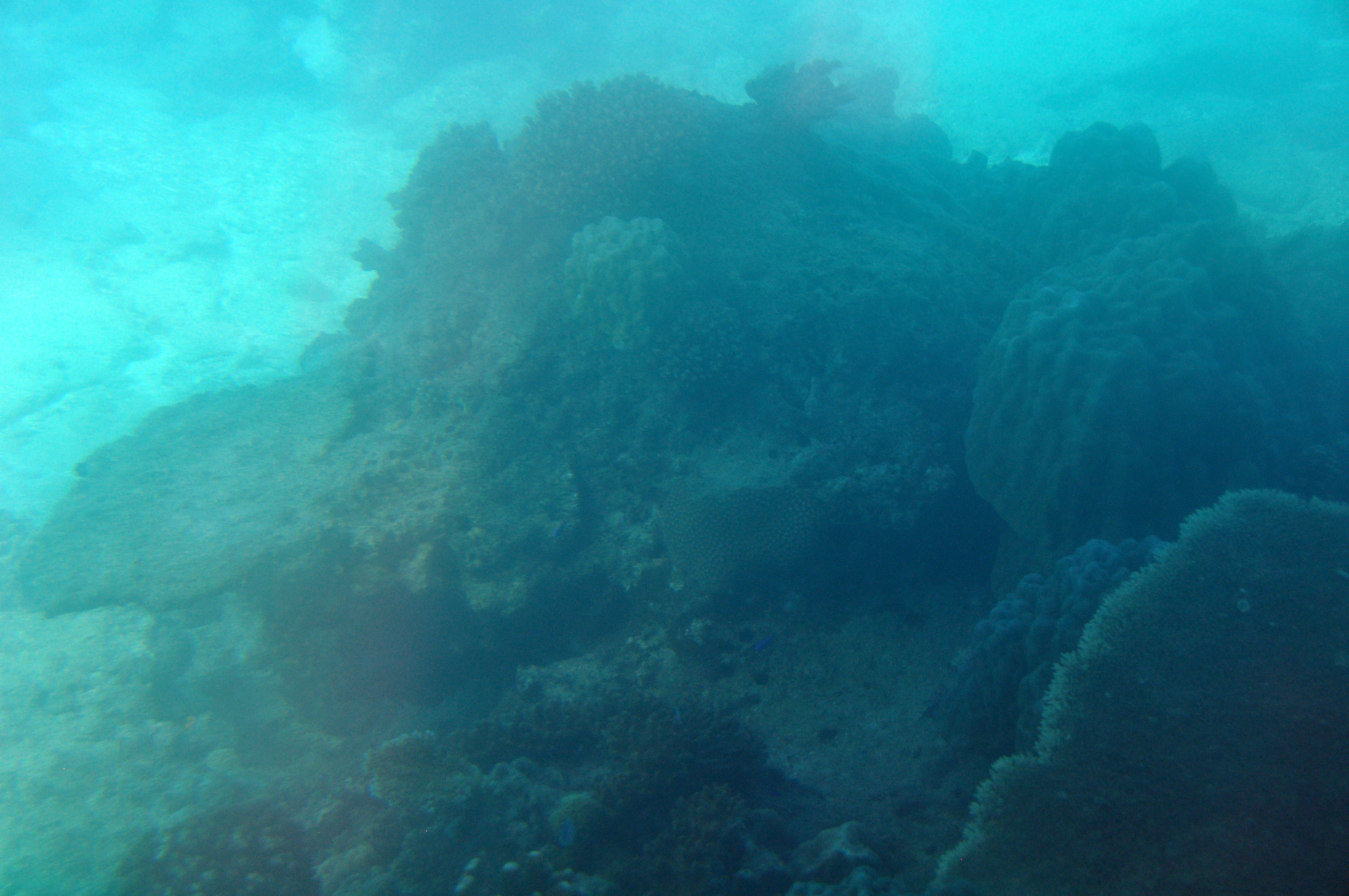
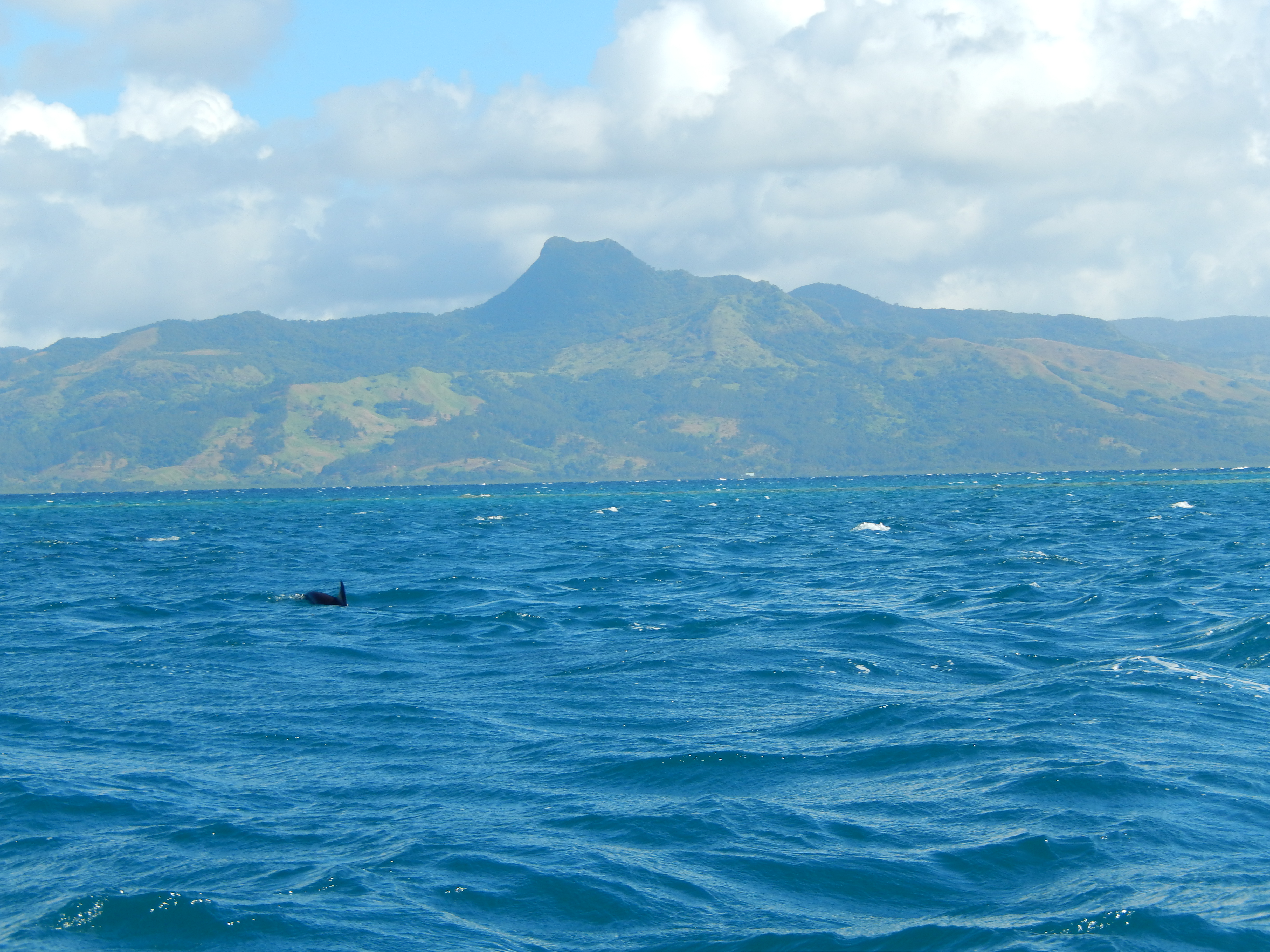
What is really interesting about Fiji is its parallel military and tribal governing system. Moon Reef and the waters between the island and the reef are actually owned by the village and the tribe. The site has important historical importance to the tribe because they believe it is actually the location of the “old village” before the waters rose and covered the land. The Dawasamu people believe that the spirits of their deceased launch themselves off the high point of Viti Levu, “land in the ocean”, and then remain in Moon Reef. This is a view of Viti Levu from the reef with the high mountain (the dolphin is an added bonus!).
Here is where the work we are performing during our stay becomes important. The tribal Chief and Elders decide who can do what with the reef, and then the village profits from any income the reef generates. They are sitting on an un-tapped gold mine! Hence, the extreme importance of researching and studying the reef and its dolphins, teaching the villagers how to sustainably manage the use of the reef by tourism, and monitor the health of the reef as a result of increased human impact.
That last sentence is why I wanted to come to Fiji: to experience the country on a deeper level and contribute to a grassroots effort that would benefit the local people while protecting our planet’s most precious resource. I knew I would never have another chance in life to seize an opportunity like this. WOW! I am so glad I did!